
Last updated November 15, 2026
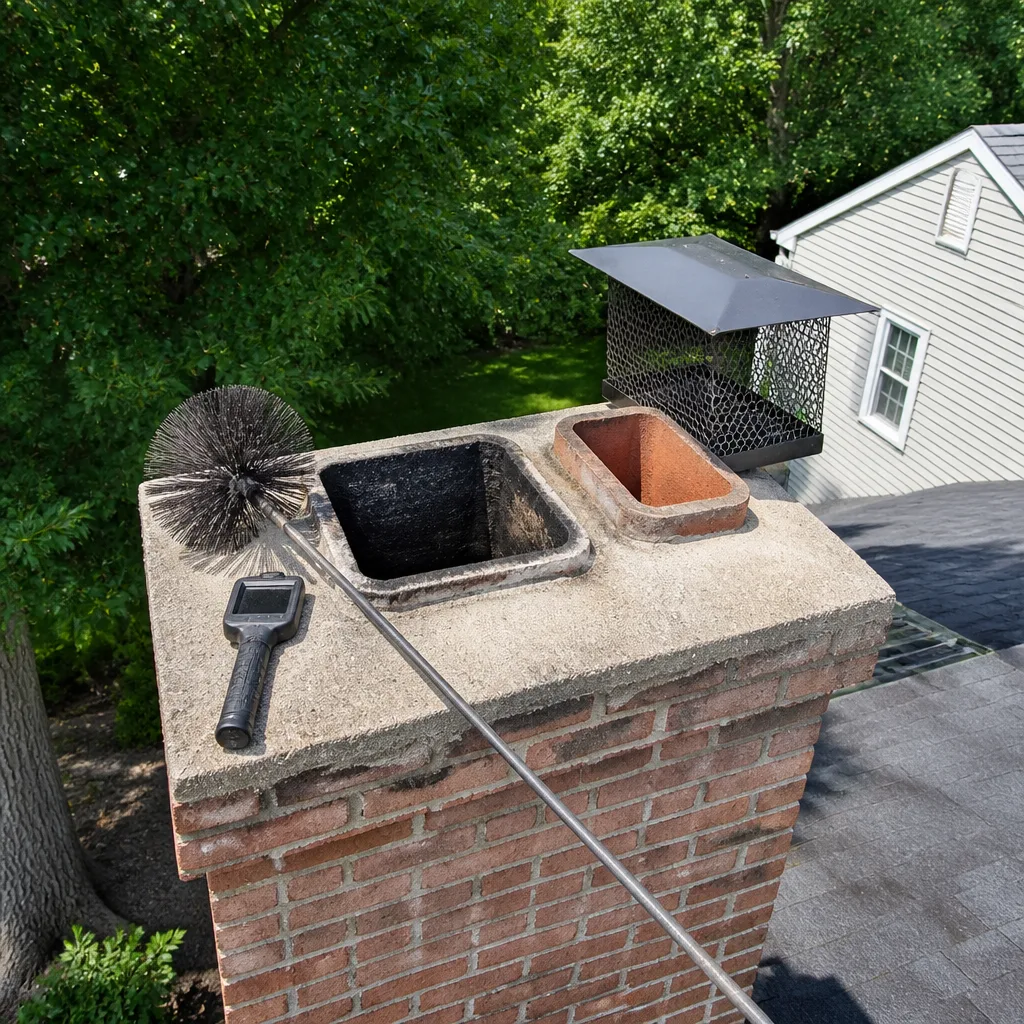 Sweep & inspection
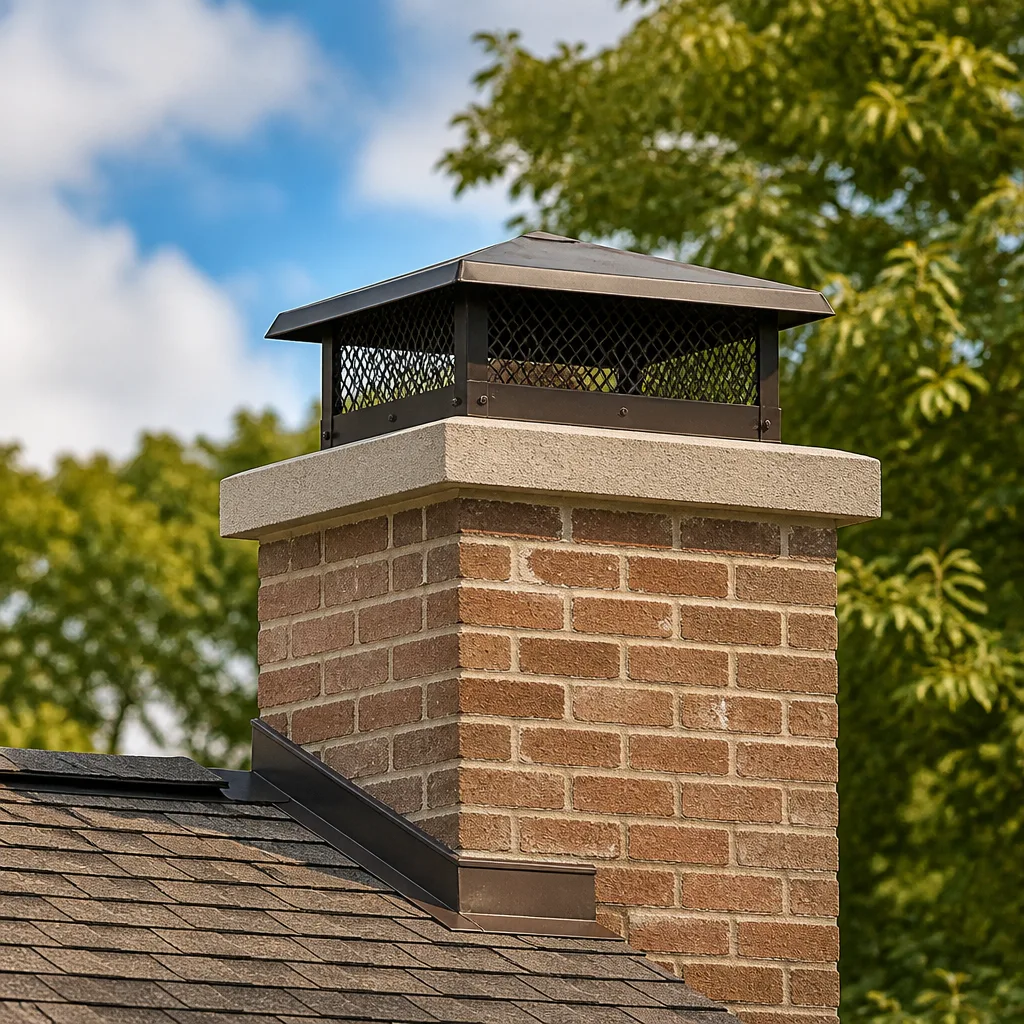 Caps & crowns
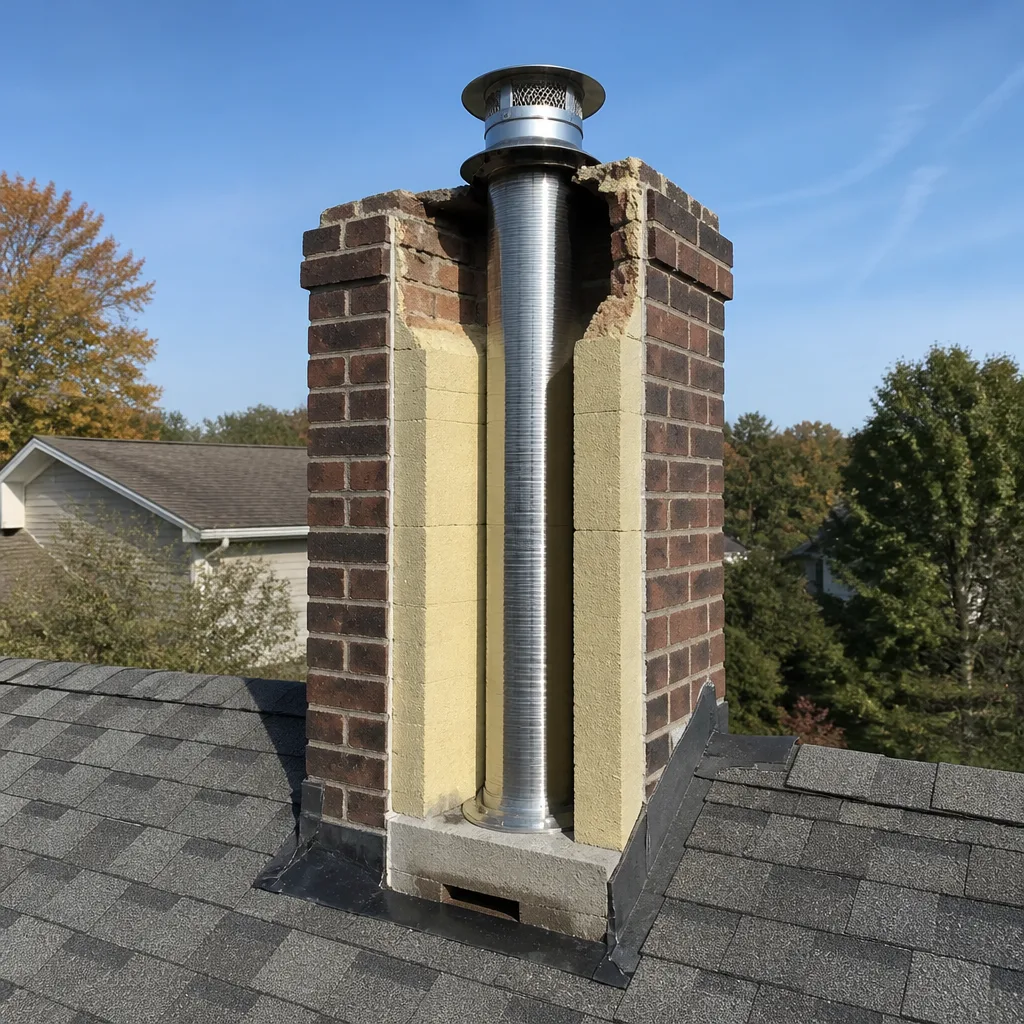 Flue relining
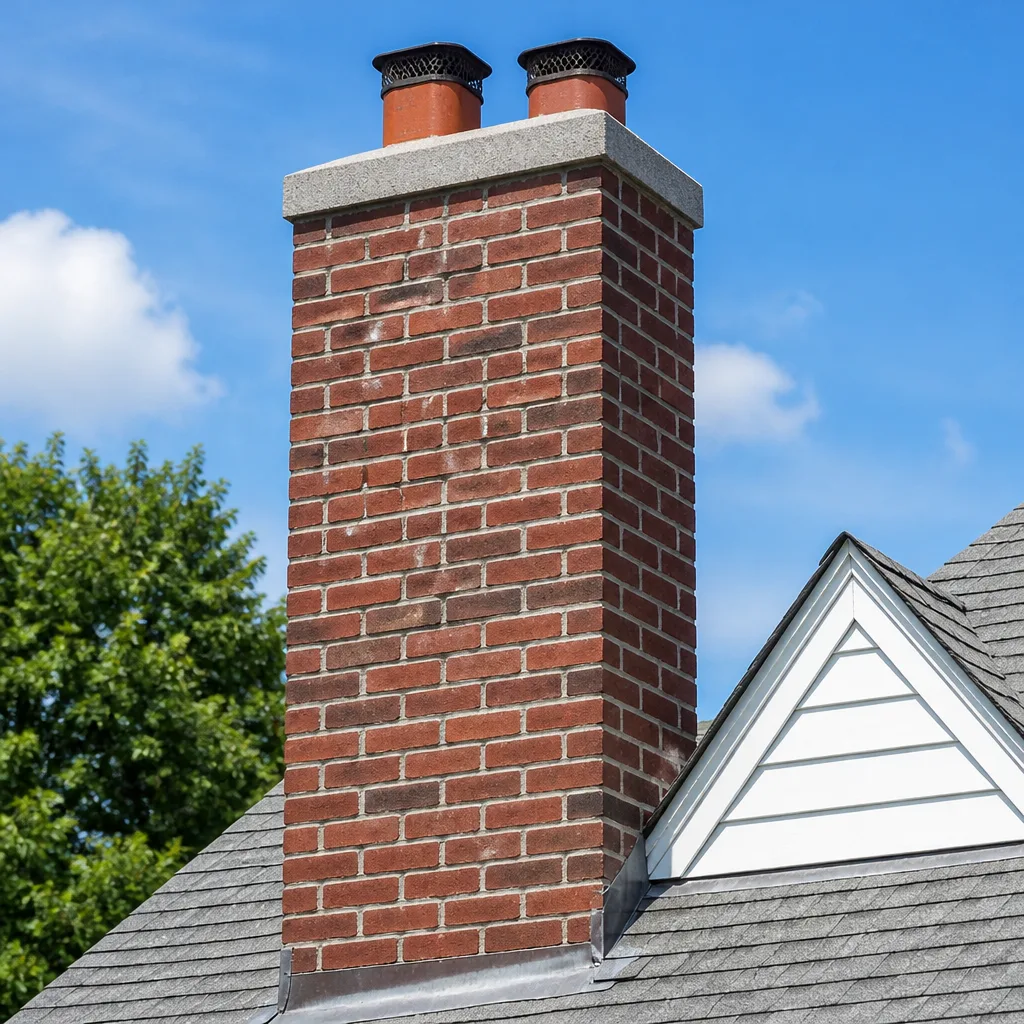 Masonry repair
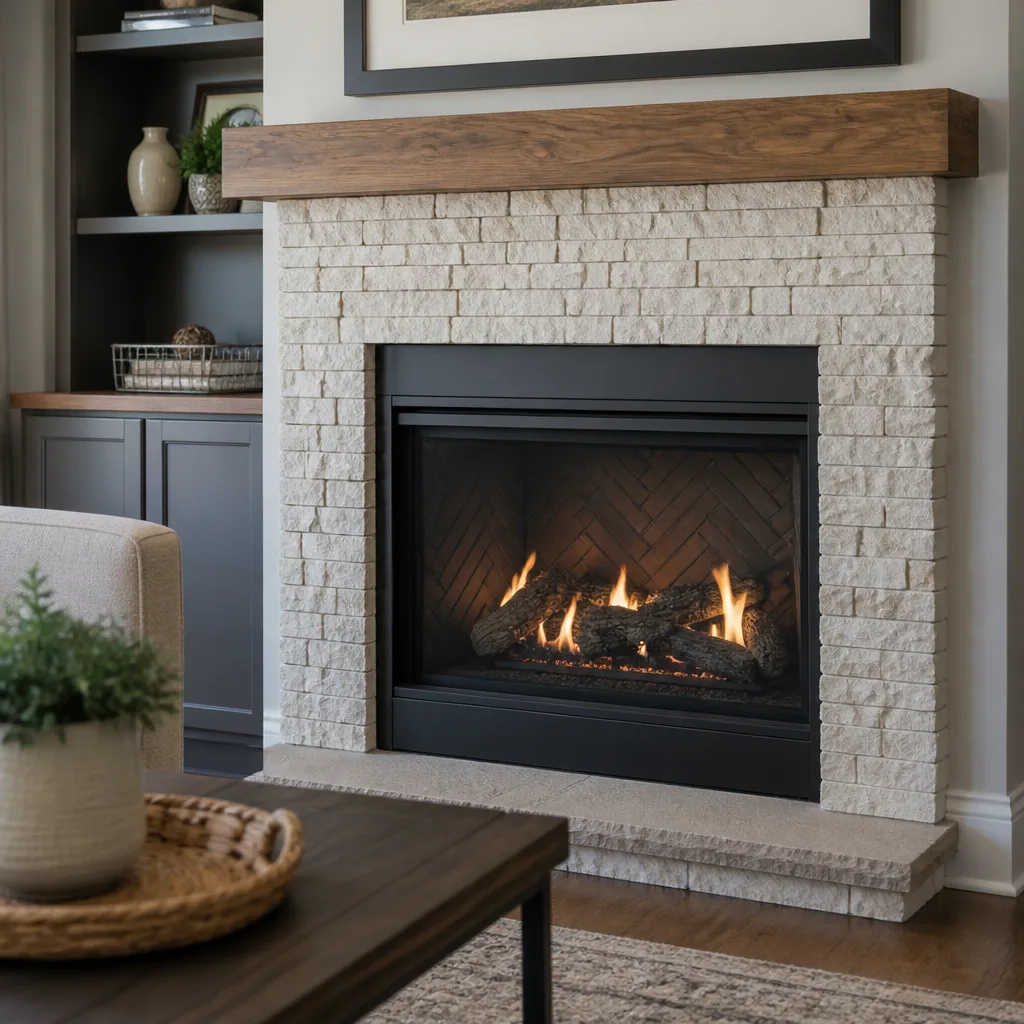 Gas fireplace service
Level 1 sweep and inspection to the NFPA 211 annual standard - flue, crown, cap, and flashing checked and photographed
Chimney sweep logs do not sweep chimneys. They loosen some creosote - which then falls where a brush and vacuum still have to collect it.
DIY vs Professional Chimney Cleaning: The San Angelo Homeowner’s Decision Guide
A chimney brush and a set of fiberglass rods from a hardware store will remove loose soot from a straight flue. They will not tell you that the liner section behind the smoke chamber has a stress fracture. They will not remove glazed creosote that has already moved past the sticky stage into a hard, tar-like shell. And they will not flag a terra cotta liner that was never inspected when the house was built. That gap between what brushing does and what a real evaluation reveals is the whole conversation. This guide draws an honest line between what a careful homeowner in San Angelo can handle and where the risk math tips toward a professional.
Quick Answer
Basic sweeping of a straight, recently used, well-maintained flue is within reach for a careful homeowner. Everything past that – glazed creosote, offset flues, unlined masonry chimneys, damaged terra cotta, any repair-stage work – calls for a professional with a camera, rotary equipment, and access to professional-grade liner systems. In San Angelo’s older housing stock, the professional side of that line covers more homes than most DIY guides admit.
Styles & brands we work with
- Sweep & inspection
- Caps & crowns
- Flue relining
- Masonry repair
- Gas fireplace service
Table of Contents
- What DIY Chimney Cleaning Can Safely Handle
- Why San Angelo’s Housing Stock Changes the Risk Math
- Soot, Stage 2, and Glazed Creosote: What You’re Actually Looking At
- Offset Flues and the Brush That Can’t Reach
- The Insurance and Liability Reality of a Self-Performed Cleaning
- Repair-Stage Work and Why DIY Materials Aren’t Available at Retail
- What a Professional Sweep Actually Does in Your Home
- A Step-by-Step Decision Framework
What DIY Chimney Cleaning Can Safely Handle
Let’s be specific, because vague warnings don’t help anyone. There are real tasks a homeowner can do without a ladder, without special equipment, and without creating a hazard. These are the ones we’d never talk someone out of.
Basic visual inspection from the firebox. Open the damper and look up with a strong flashlight. You can see the first several feet of flue, check for obvious soot buildup, and notice any loose pieces of mortar or terra cotta sitting on the smoke shelf. That’s a genuinely useful check. What you can’t see from the firebox is anything past the first bend, and most flues have a bend.
Damper function check. The damper should open fully, close fully, and seat without a gap. A damper that sticks open is wasting heat; one that won’t open is a carbon monoxide path waiting to happen. This is a hands-on check anyone can do.
Ash removal. Scooping ash out of the firebox into a metal container with a lid is routine maintenance. Wait at least 24 hours after the last fire, and never put ash in a paper bag or a plastic bucket. Ash can hold embers far longer than people expect.
Exterior visual check. From the ground, look at the chimney cap, the crown, and the mortar joints where they’re visible. If the cap is missing or the crown has a visible crack, that’s information you can act on without climbing anything.
What you actually need for a DIY sweep
If you’ve decided your flue qualifies for a homeowner sweep, the tool list is short: a polypropylene or wire brush sized to your flue, a set of flexible rods, drop cloths, a shop vacuum rated for fine dust, safety glasses, a dust mask rated for fine particulates, and gloves. That’s it. You do not need a ladder if you’re sweeping from the firebox up.
What that kit cannot do: remove glazed creosote, evaluate a liner, confirm that a flue tile hasn’t spalled, or detect a crack behind the smoke chamber. The tools are honest about their limits. The question is whether the homeowner knows where those limits are.
Why San Angelo’s Housing Stock Changes the Risk Math
San Angelo has a meaningful share of homes built before 1980, and that single fact changes how much of a chimney-cleaning decision is actually about cleaning. Many of those homes were built with masonry chimneys that either have no liner at all or have a single wythe of terra cotta that has never been inspected since the day it was laid. Terra cotta spalls. Mortar joints erode. Neither process announces itself from the firebox.
That’s not a knock on older San Angelo homes. It’s a description of what aging masonry does anywhere. The difference here is how much of the local housing inventory sits in that category. A homeowner in a 2005 build with a factory-built fireplace and a stainless liner has a very different risk profile than someone in a 1962 ranch house with an unlined brick flue. The DIY guide doesn’t distinguish between them. The house does.
Add in the local fuel. Mesquite is a dense, hot-burning wood, and it’s a common choice in this part of Texas. Dense hardwoods produce more creosote per cord than softwoods when they’re burned cool or with restricted air. A fireplace that gets run with the damper half-closed because the room gets too warm is exactly the condition that builds creosote fast. That’s not a reason to avoid mesquite. It’s a reason to look at the flue more often, and to have someone look who can see the whole length of it.
The dry West Texas climate is honestly kind to chimneys compared to wetter parts of the country. Mild winters mean the fireplace gets used in bursts rather than continuously, and the exterior masonry dries out quickly. But dry air also shrinks and cracks mortar over time, and a hairline crack in a flue tile doesn’t announce itself until a professional camera shows it. In our experience, the chimneys in San Angelo that surprise people are the ones that looked fine from the firebox.
None of this means every San Angelo chimney needs professional service every year. It means the default assumption – “my house is probably like the ones in the DIY videos” – deserves a second look. If you’re not sure what’s behind your damper, a professional sweep is the cheapest way to find out. You can book a chimney sweep and get a straight answer before you make any other decision.
Soot, Stage 2, and Glazed Creosote: What You’re Actually Looking At
Creosote is the single most misunderstood part of chimney maintenance, and it’s the part where DIY brushing either works completely or doesn’t work at all. It comes in three recognizable forms, and they behave very differently.
The three stages
- Stage 1 – soot and flaky creosote. This is the loose, gray-black dust and flake you see after a fire. A brush removes it. This is the stage where a homeowner sweep is genuinely effective.
- Stage 2 – sticky, tar-like creosote. This is still somewhat soft, but it clings to the flue walls instead of falling away. A brush smears it rather than removing it. It’s the beginning of a real problem.
- Stage 3 – glazed creosote. This is the hard, shiny, tar-like shell that looks almost like black glass. It’s the most combustible form of creosote, and a brush will skate right over it. It requires chemical treatment to soften it, followed by rotary equipment to remove it.
The gap DIY guides don’t address is that Stage 2 and Stage 3 creosote cannot be swept out by hand. It can’t be brushed out, chipped out, or scraped out. Chemical creosote removers are available, but they require follow-up rotary sweeping to actually remove the softened material, and the timing is finicky. A homeowner who brushes a glazed flue and calls it done has done nothing useful and has created a false sense of safety.
How to tell which you have
From the firebox, look up with a strong flashlight. Flaky soot and light buildup means Stage 1. A black, gummy, tar-smelling coating that clings in ridges means you’re in Stage 2 territory. A hard, shiny, slightly reflective surface means Stage 3. If you’re not sure which you’re looking at, that uncertainty is itself the answer – call someone who can look at the full length of the flue with a camera and tell you plainly.
We see Stage 2 and Stage 3 creosote more often in San Angelo than the average homeowner expects, usually in fireplaces that get burned hot and then closed down hard to keep the room from overheating. If your flue smells like tar on a warm day, that’s the signature of creosote that needs more than a brush.
Offset Flues and the Brush That Can’t Reach
A straight flue is a flue where the smoke goes up and out in a single line. Most chimneys from the past several decades are offset somewhere between the firebox and the top – a jog to clear a structural beam, a shift to exit a different part of the roof, a transition from the firebox into the smoke chamber and then into the flue. A straight brush on flexible rods will bend through a modest offset. It will not clean a sharp one.
What happens with a brush that can’t reach the offset: the homeowner sweeps the lower section, sees clean flue, and assumes the whole thing is clean. The upper section above the offset goes unswept, sometimes for years. The creosote there keeps building. The fire risk doesn’t care that the lower flue looked clean.
A professional sweep uses rods and equipment designed for offset flues, plus a camera to confirm what was actually reached and what was actually removed. That’s the part of professional cleaning that’s hard to replicate at home. It’s not about the brush. It’s about knowing exactly which sections were cleaned and which weren’t.
Offset flues are common in San Angelo’s newer construction as well as its older homes. Builders route chimneys around structural elements and rooflines all the time. If your chimney has any visible jog from the ground, or you can’t see daylight straight up from the firebox, assume there’s an offset and assume a hand-held brush won’t cover it.
The Insurance and Liability Reality of a Self-Performed Cleaning
This is the part almost no DIY guide mentions, and it matters. If a chimney fire happens after a homeowner has swept the flue themselves, the homeowner may find themselves in a difficult position with their insurer. Not because insurance companies forbid DIY cleaning – most don’t – but because the conversation after a fire turns on records.
Here’s the practical reality. A professional sweep typically provides documentation: what was found, what was cleaned, what was flagged for repair, and what was recommended. That paperwork exists. If a problem develops later, there’s a record of what the chimney looked like on a known date. A homeowner who swept their own flue has none of that. In the event of a claim, the insurer is going to ask what maintenance was performed and when. “I swept it myself” is a much weaker answer than a dated report from a professional.
There’s also the repair-stage angle. If a professional sweep finds a cracked flue tile and recommends a reline, and the homeowner declines and continues to burn, the homeowner’s decision is on record and the professional has noted it. If a homeowner never had the inspection and never knew, that’s a different situation. Most insurers are reasonable about genuine unknowns. They’re much less forgiving about documented declines.
None of this is meant to scare anyone into booking a sweep. It’s meant to close the loop on what “DIY saves money” actually costs. The savings on a $200 pro sweep look different against the possibility of a contested claim after a fire.
Repair-Stage Work and Why DIY Materials Aren’t Available at Retail
There’s a hard boundary between cleaning and repairing, and it’s the boundary where DIY stops entirely. Professional-grade liner systems and flue resurfacing products are not sold at retail. They’re specified by trade suppliers and sold to professionals. That’s not an industry conspiracy – it’s a deliberate distribution choice. These products are installed in systems that carry combustion gases out of a home, and the manufacturers want them installed by people who know what they’re doing.
Two examples of what that means in practice:
- DuraFlex flexible liner systems. DuraFlex is a professional-grade flexible liner used to reline chimneys where the original flue has failed, is unlined, or isn’t sized correctly for the appliance. It’s the same brand specified by professional sweeps across the country. There’s no retail channel for a homeowner to buy it, and even if there were, the installation requires specific sizing, insulation, and termination work. A homeowner cannot buy DuraFlex, install it correctly, and have it perform as designed.
- HeatShield flue resurfacing. HeatShield is a resurfacing compound designed to restore deteriorating mortar joints in the flue interior without a full liner replacement. It’s a cost-conscious middle path between “nothing is wrong” and “you need a full reline,” and most basic sweep companies don’t offer it. It’s applied with specific tooling to specific surfaces after specific prep work. There’s no DIY version.
If your sweep turns up a damaged flue joint or a failed liner, the solution isn’t a hardware store product. It’s a conversation about what repair actually fits your chimney. That conversation is the thing DIY can’t handle, and pretending otherwise is the mistake worth avoiding.
This is where we come in. We source professional-grade products rather than hardware-store substitutes, including DuraFlex liners, HeatShield resurfacing, and caps and covers from a range of brands so the fit is right for the chimney in front of us. If a repair is recommended, it’s because someone looked, and there’s a record of what they saw.
What a Professional Sweep Actually Does in Your Home
Knowing what happens during a professional visit makes the decision easier. It’s not mysterious, and it’s not a sales pitch in disguise.
- Setup. Drop cloths go down around the firebox, and a high-powered vacuum with fine-particulate filtration runs for the duration. Good sweeps leave the room in the condition they found it.
- Visual inspection from the firebox first. This is the same check a homeowner would do, only it’s followed by a more complete one.
- Camera inspection of the full flue. A camera goes up the flue from the firebox, top to bottom, and the sweep sees what the flue actually looks like. The homeowner usually sees the footage too. This is the single biggest difference between a professional visit and a DIY sweep.
- Sweeping. Brushes and rods sized to the flue, worked through any offsets, with attention to the smoke chamber and smoke shelf – the two areas most often missed by hand-sweeping.
- Recheck with the camera. The sweep confirms what was removed and what wasn’t. Glazed creosote that didn’t come off is noted, and options are discussed.
- Exterior check. Cap, crown, mortar joints, and termination. What’s visible from the ground and from the roof is documented.
- A written report. What was found, what was cleaned, what needs attention, and what can safely wait. That report is the homeowner’s record.
There’s a second part of a professional visit that most homeowners don’t expect: the dryer vent. Dryer vent cleaning is a separate service but it sits in the same category of household fire risk, and it’s frequently skipped when a homeowner only books a chimney sweep. A dryer running with a clogged vent is a fire hazard that quietly builds over months. If you’re having one service performed, it makes sense to check the other. You can read more about dryer vent cleaning and what a visit involves.
A Step-by-Step Decision Framework
Here’s the honest decision path. Walk through it in order and you’ll land on a clear answer.
- Check the age of the house and the type of chimney. Built before 1980 with masonry and no documented liner inspection? Lean professional. Factory-built fireplace with a stainless liner and documented service history? DIY is a reasonable option for a basic sweep.
- Look up from the firebox with a strong flashlight. If you can see flaky soot and light buildup, you’re in Stage 1 territory. If you see gummy tar or a shiny black shell, stop – that’s not a DIY job.
- Check for an offset. If daylight doesn’t come straight down from the top, or if you know the chimney jogs, DIY sweeping will miss sections. Lean professional.
- Smell the flue on a warm day. A strong tar smell on a day the fireplace hasn’t been used is a sign of creosote buildup that’s past the brushable stage.
- Look at the exterior. Missing cap, cracked crown, or visible mortar gaps at the roofline are reasons to have a professional look – not because they’re emergencies, but because they change the condition of the flue interior over time.
- Check your comfort with the full job. If you can’t get on a roof safely, can’t inspect the full flue, and aren’t sure what you’re looking at, the DIY path ends. There’s no shame in that. Most homeowners land there, and it’s the right answer for most chimneys in San Angelo.
If you walk that list and end up in professional territory more times than not, book the sweep. It’s a scheduled service, and the timing that matters is seasonal – before the cool season when the fireplace starts getting real use. A sweep booked in early fall is a much better idea than one booked in December.
Common Mistakes to Avoid
- Sweeping a glazed flue and calling it clean. A brush won’t touch Stage 3 creosote, and a homeowner who thinks it will is left with a flue that looks swept and isn’t. If you’re not sure what you’re seeing, get a camera on it before you decide.
- Assuming the flue is straight because the firebox looks straight. Most chimneys offset somewhere along their run. A brush on flexible rods will clean the lower section and miss the upper. From the firebox, you can’t see the upper section at all.
- Neglecting the smoke chamber and smoke shelf. These are the ledges immediately above the damper, and they collect soot and creosote that homeowners almost never clean by hand. They’re also where a chimney fire often starts.
- Cleaning a flue that has never been inspected. If you don’t know whether your San Angelo home has a terra cotta liner, an unlined flue, or a stainless liner, brushing it doesn’t tell you. A camera inspection answers the question before you build any assumptions on it.
- Using a metal brush on a stainless liner. Stainless liners require a polypropylene brush. Metal brushes can scratch and damage the liner surface, and a scratched liner is a corrosion point. If you don’t know what your liner is made of, don’t guess.
- Burning cool fires to save wood. A fire that smolders at low air produces far more creosote than a hot, well-ventilated fire. This is the mistake that fills the flue in the first place, and it undoes any benefit of an annual sweep.
- Skipping the dryer vent. The dryer vent is the other fire hazard in the house. It builds up lint the same way the flue builds up creosote, and it’s frequently ignored. If you’re thinking about fire safety in the home, it deserves the same attention as the chimney.
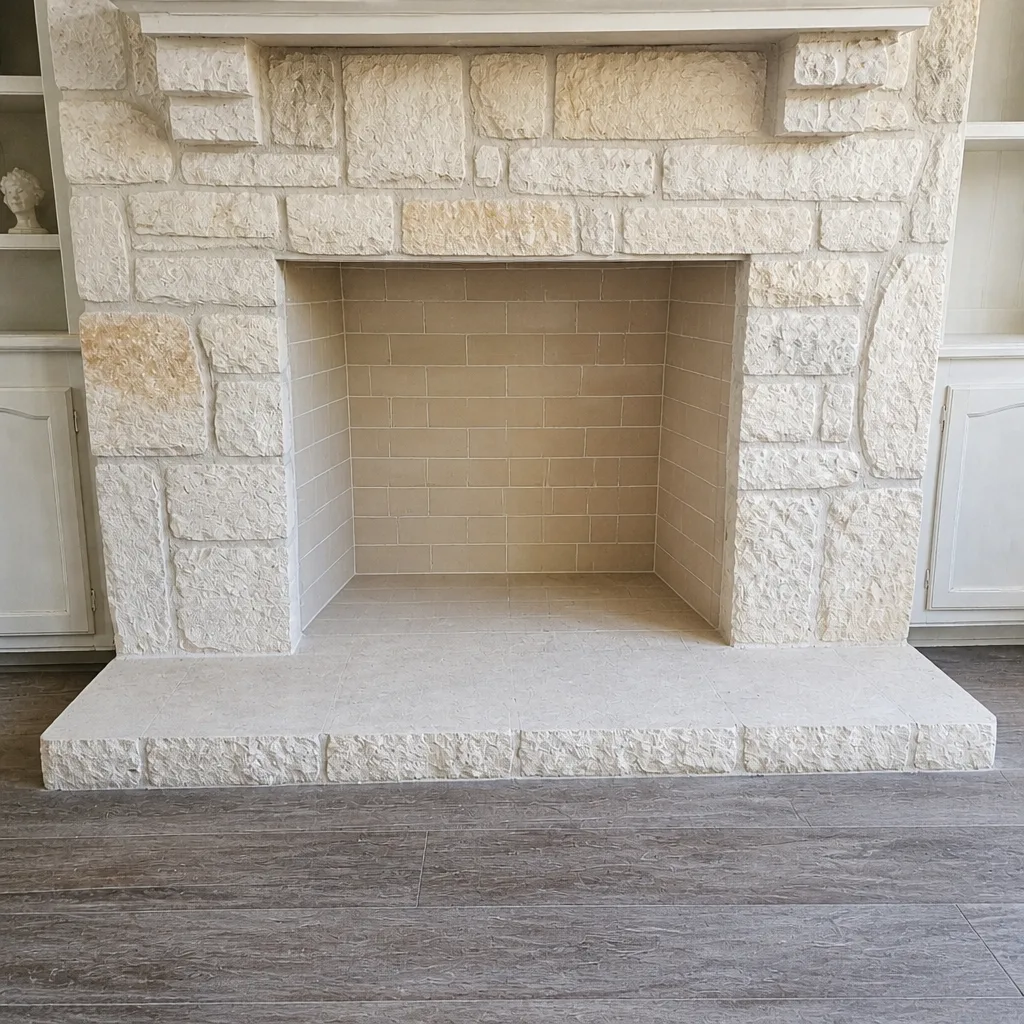
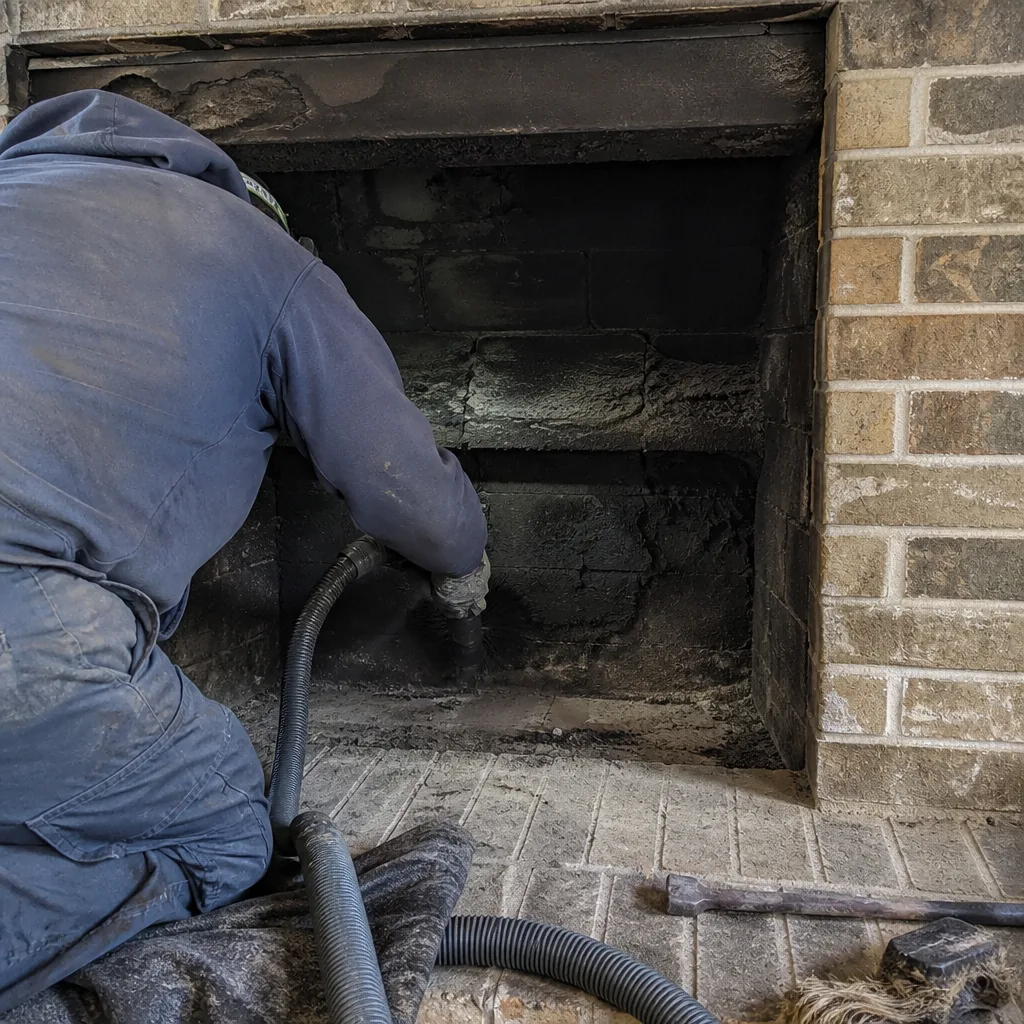
See the difference
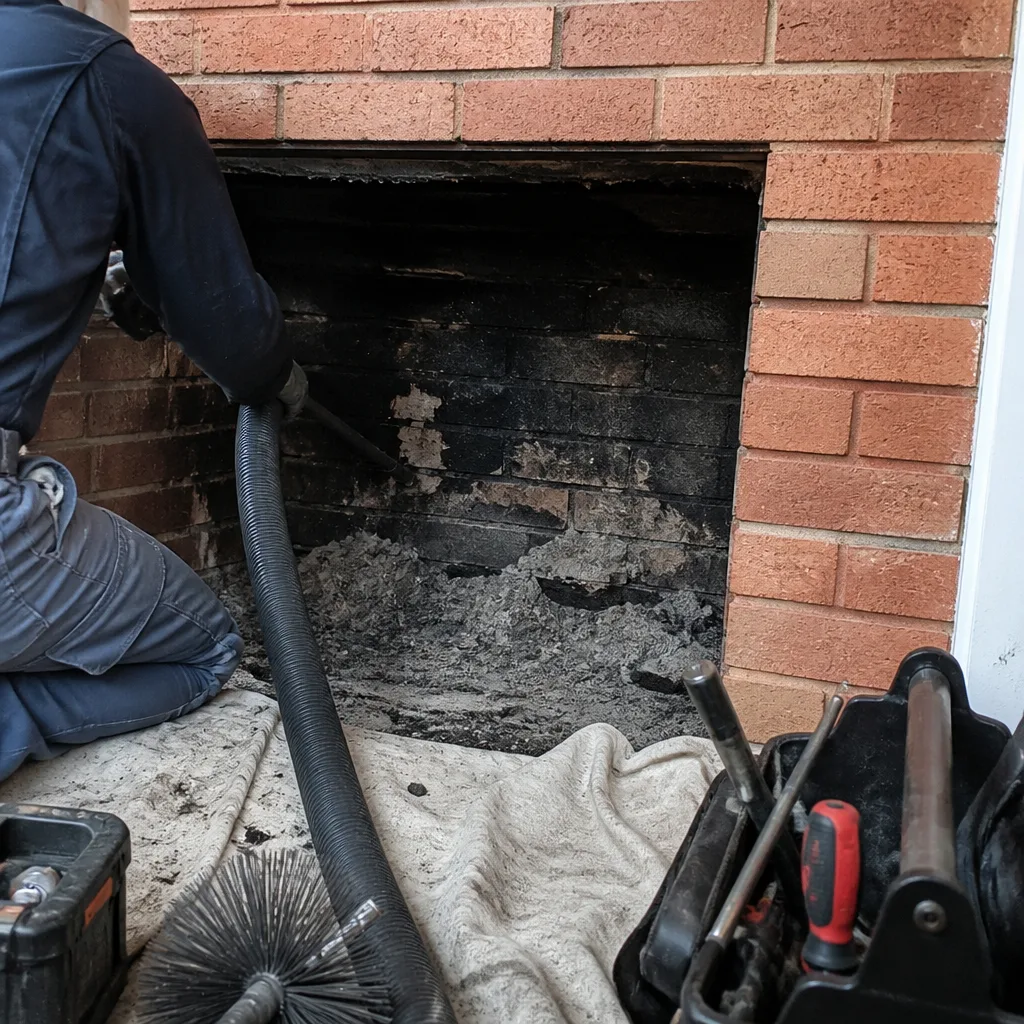 Before
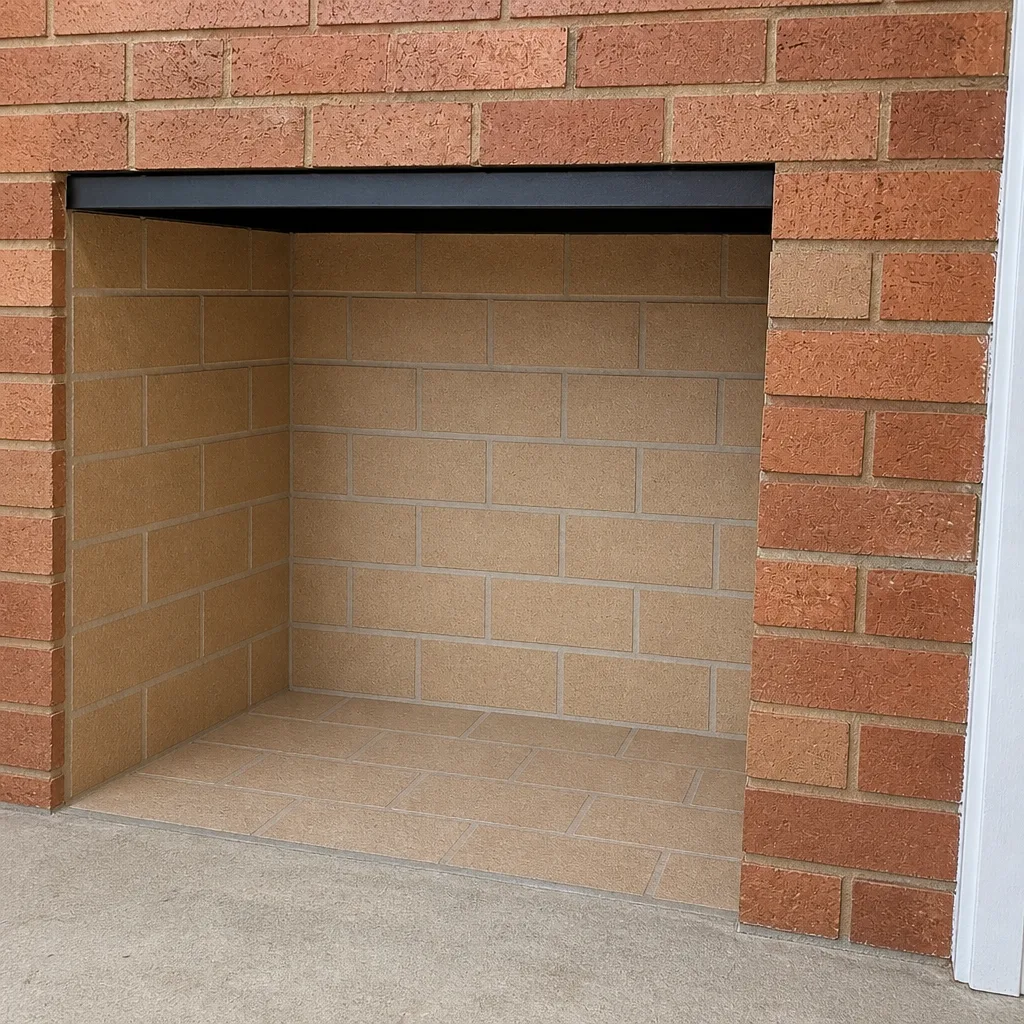 After
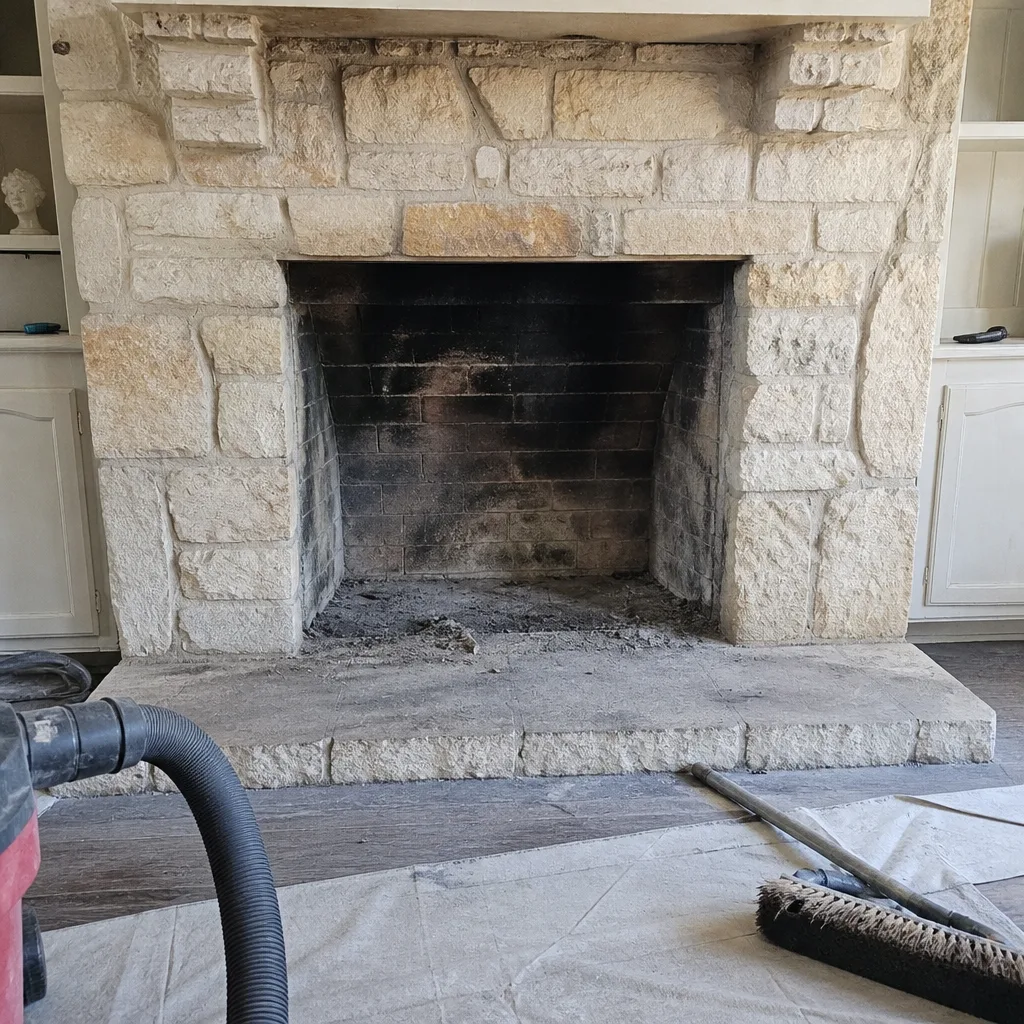 Before
 After
 Before
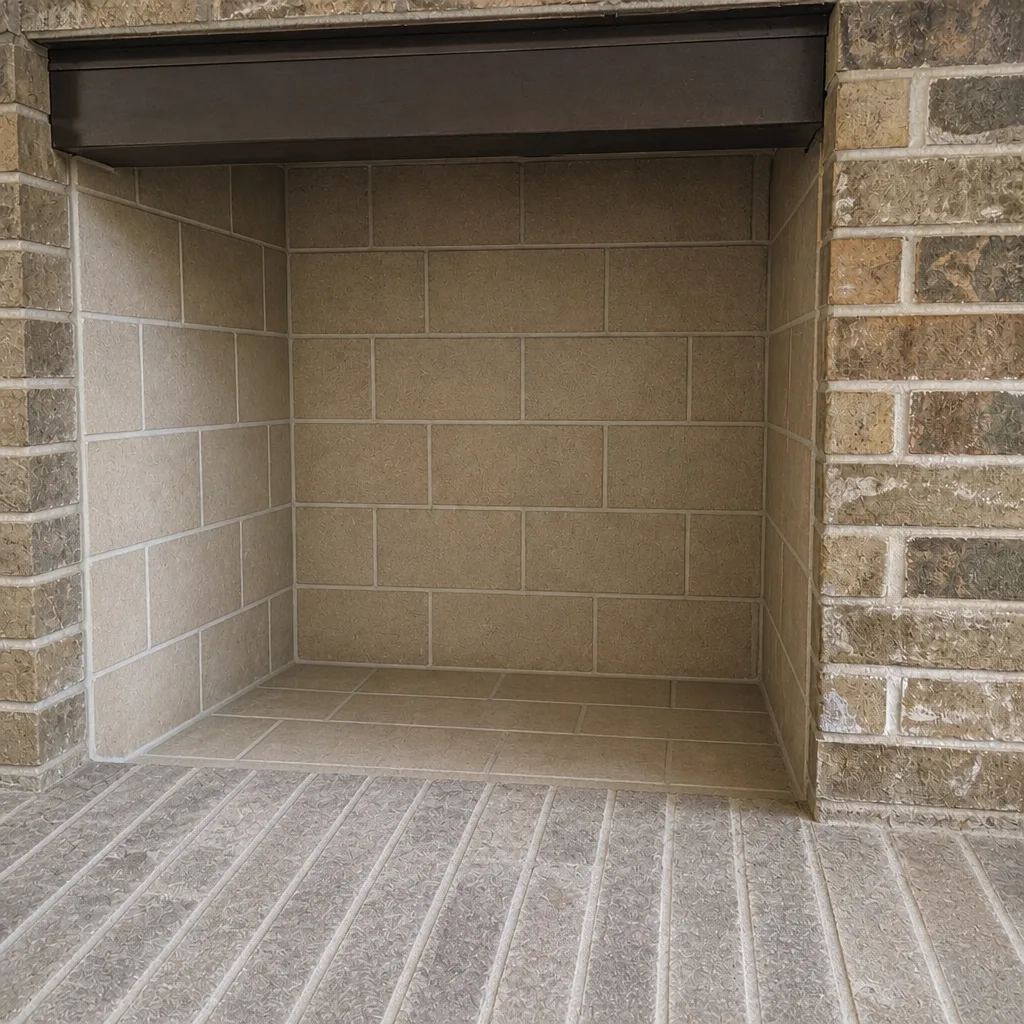 After
When to Call a Professional
Call a professional when any of the following is true: your San Angelo home was built before 1980 and you have no record of a liner inspection; your flue shows gummy or glazed creosote; your chimney has an offset you can’t clean through; you’ve had a chimney fire or a creosote smell that persists between fires; your damper, cap, or crown has visible damage; or you simply don’t know the condition of your flue and want a clear answer before the season starts. A professional sweep with a camera and a written report is the fastest path from “not sure” to “known.” Chimney Sweep San Angelo offers free estimates in San Angelo – call (833) 946-3155.
Frequently Asked Questions
Yes, for a narrow set of conditions: a straight, recently used, professionally inspected flue with only Stage 1 soot, in a home where you have documentation of the liner. Anything outside that – offset flues, old unlined masonry, glazed creosote, terra cotta that’s never been inspected – is where the DIY path stops being a good idea. Call (833) 946-3155 for an exact quote on a professional sweep if you’re not sure which category you’re in.
Once a year during active use is the general rule, and more often if you burn mesquite heavily or notice a strong creosote smell between fires. Homes that burn only occasionally can go longer between sweeps, but a visual inspection every year is still worth doing. Call (833) 946-3155 to book a sweep and get a camera inspection alongside it.
Glazed, or Stage 3, creosote is a hard, shiny, black shell that looks almost like tar or glass lining the flue. It cannot be removed with a brush. It requires chemical treatment followed by rotary equipment, and it needs to be removed before the flue is used again. Call (833) 946-3155 for a free estimate on Stage 3 creosote removal.
It may, if there’s ever a fire. Most insurers don’t require professional cleaning, but after a loss they typically ask what maintenance was performed and when. A professional sweep provides a dated written report; a DIY sweep provides no record. Having that documentation on hand is easier than explaining a lack of it. Call (833) 946-3155 to have a professional sweep documented and photographed.
Sometimes a liner is genuinely required – a failed terra cotta flue, an unlined masonry chimney, or a flue sized wrong for a new appliance all warrant relining. Other times it isn’t, and a resurfacing product like HeatShield can restore damaged joints without a full replacement. The honest answer depends on a camera inspection. Call (833) 946-3155 for a free estimate and a look at the actual condition of your flue.
Yes, because the dryer vent is a separate fire hazard that builds up gradually and gets missed when the chimney is the only thing on the maintenance list. Both services address the same category of risk in the home. If you’re booking a Chimney Sweep San Angelo visit for the fireplace, ask about the dryer vent at the same time. Call (833) 946-3155 to book both.
The Bottom Line
DIY chimney cleaning isn’t irresponsible in every case. For a straight, recently inspected flue with light soot, a careful homeowner with the right brush and the right expectations can handle a basic sweep. But San Angelo’s older housing stock, its mesquite-burning habits, and the prevalence of offset flues tip the odds toward professional service for most homes. The parts DIY can’t do – camera inspection, glazed creosote removal, liner evaluation, professional-grade repair work – are the parts that actually protect the house. If you’re anywhere near the edge of that line, book the sweep. It’s a scheduled service, so a call now puts you on the calendar well before the cool season. Call (833) 946-3155. We answer 24/7. Fast dispatch from 7am to 7pm, Sunday through Friday.
If you’re in the broader San Angelo area and want to know how the decision looks for your specific house, that’s a conversation worth having before the fireplace gets used.
Written by the team at Chimney Sweep San Angelo.