
Last updated November 15, 2026
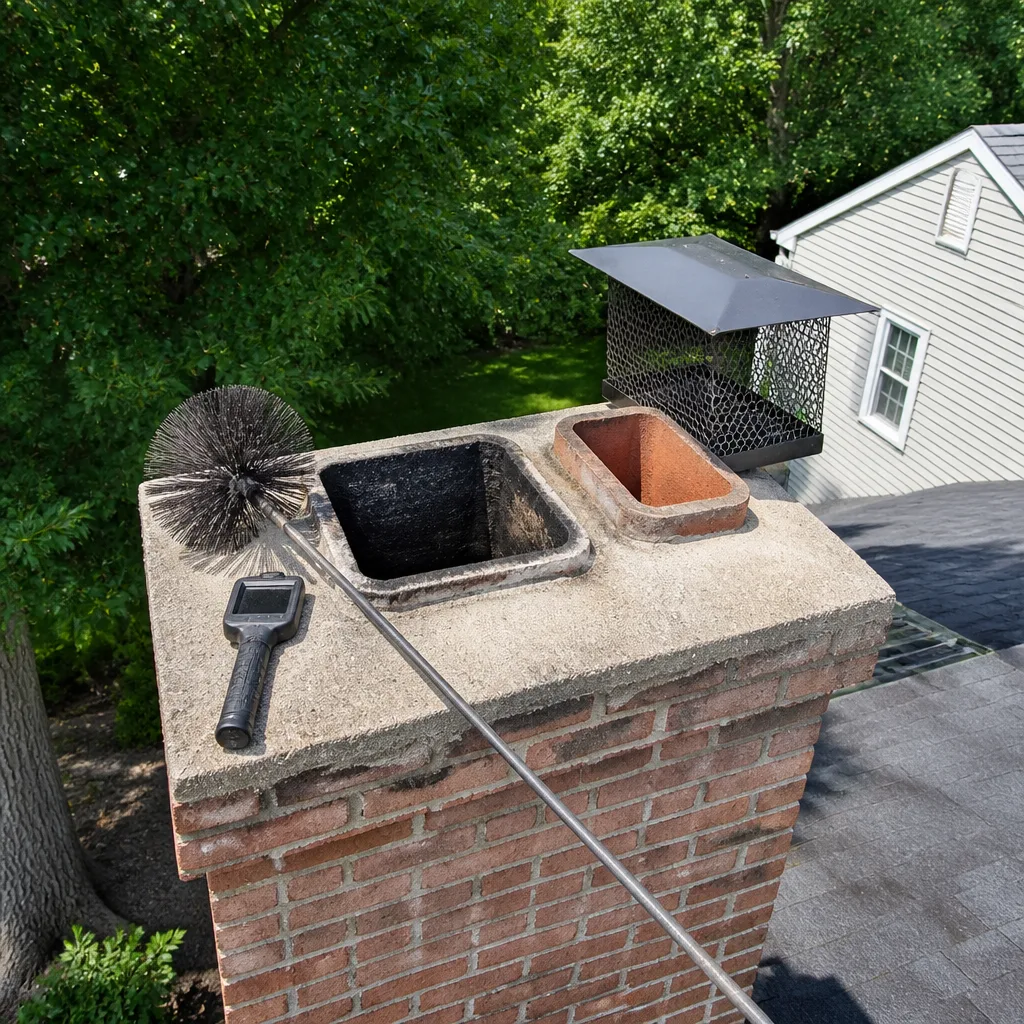 Sweep & inspection
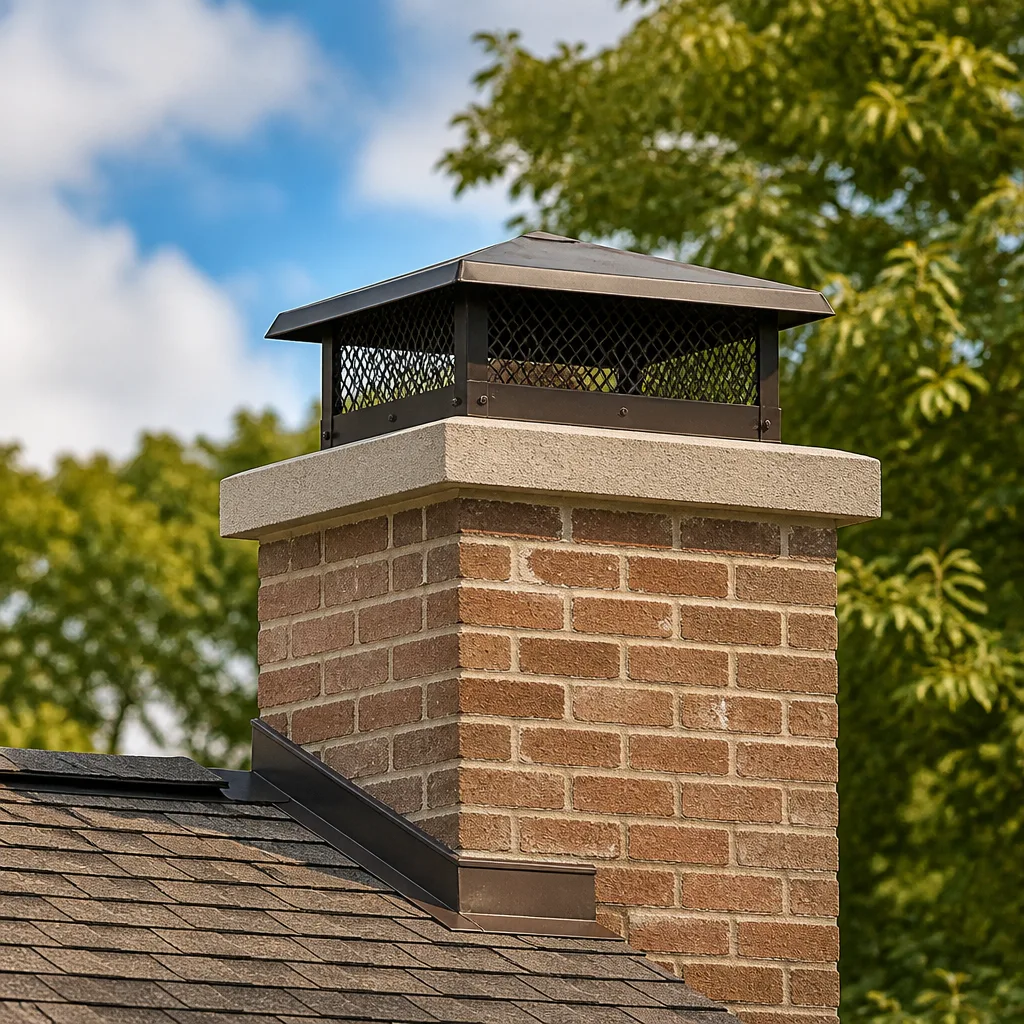 Caps & crowns
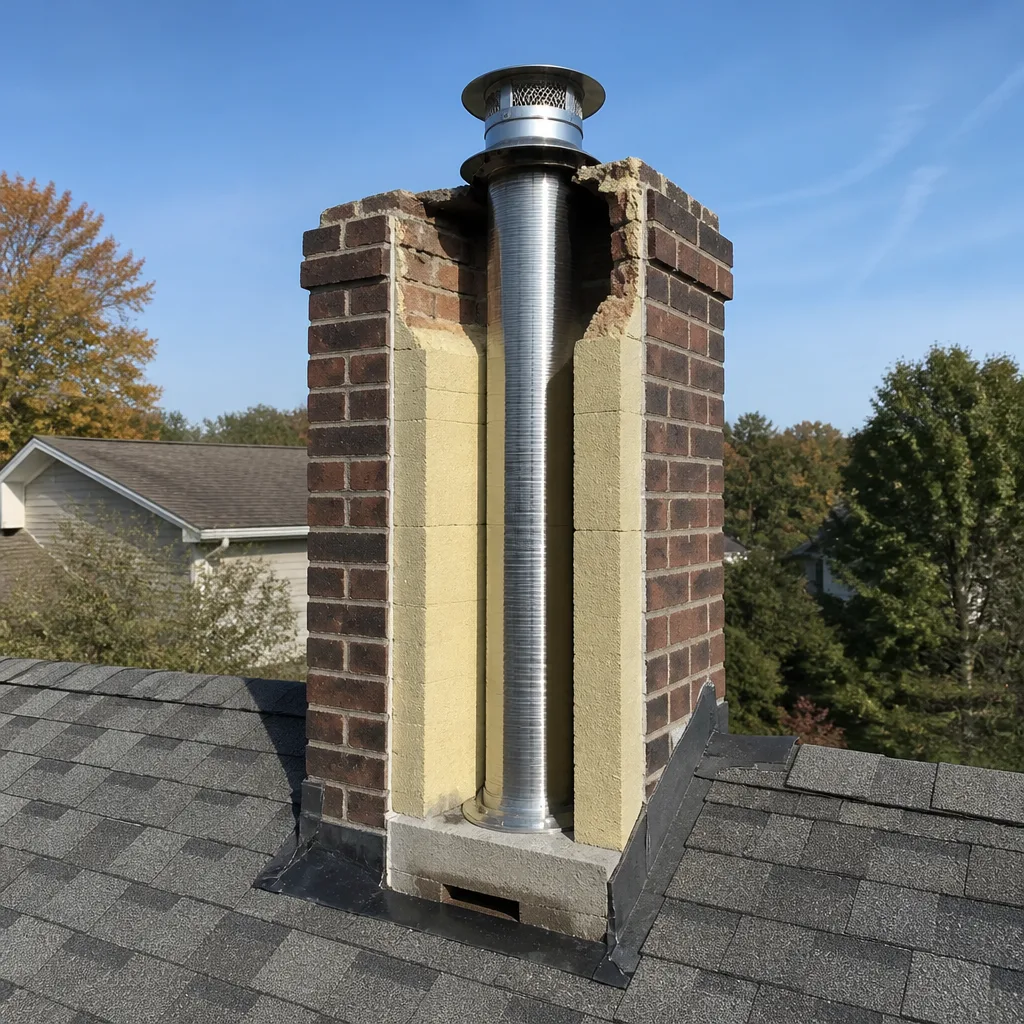 Flue relining
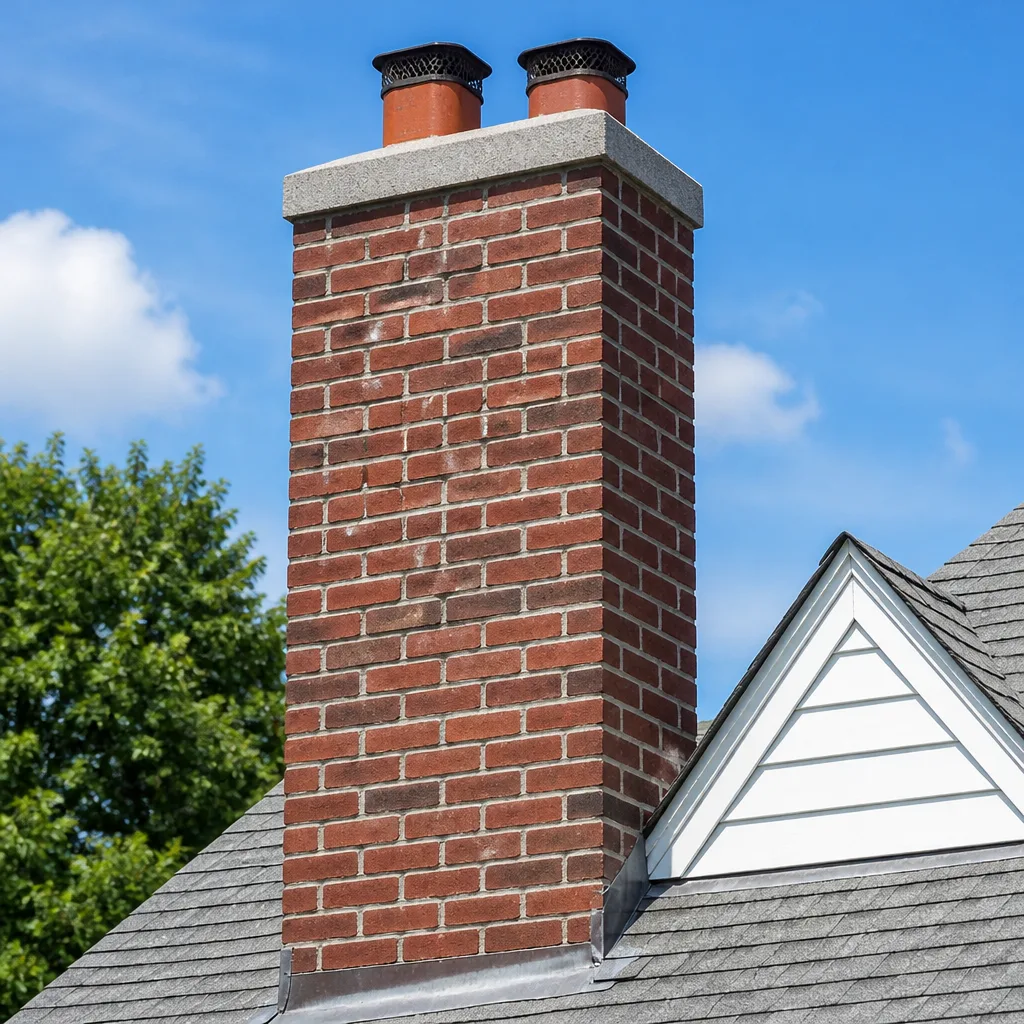 Masonry repair
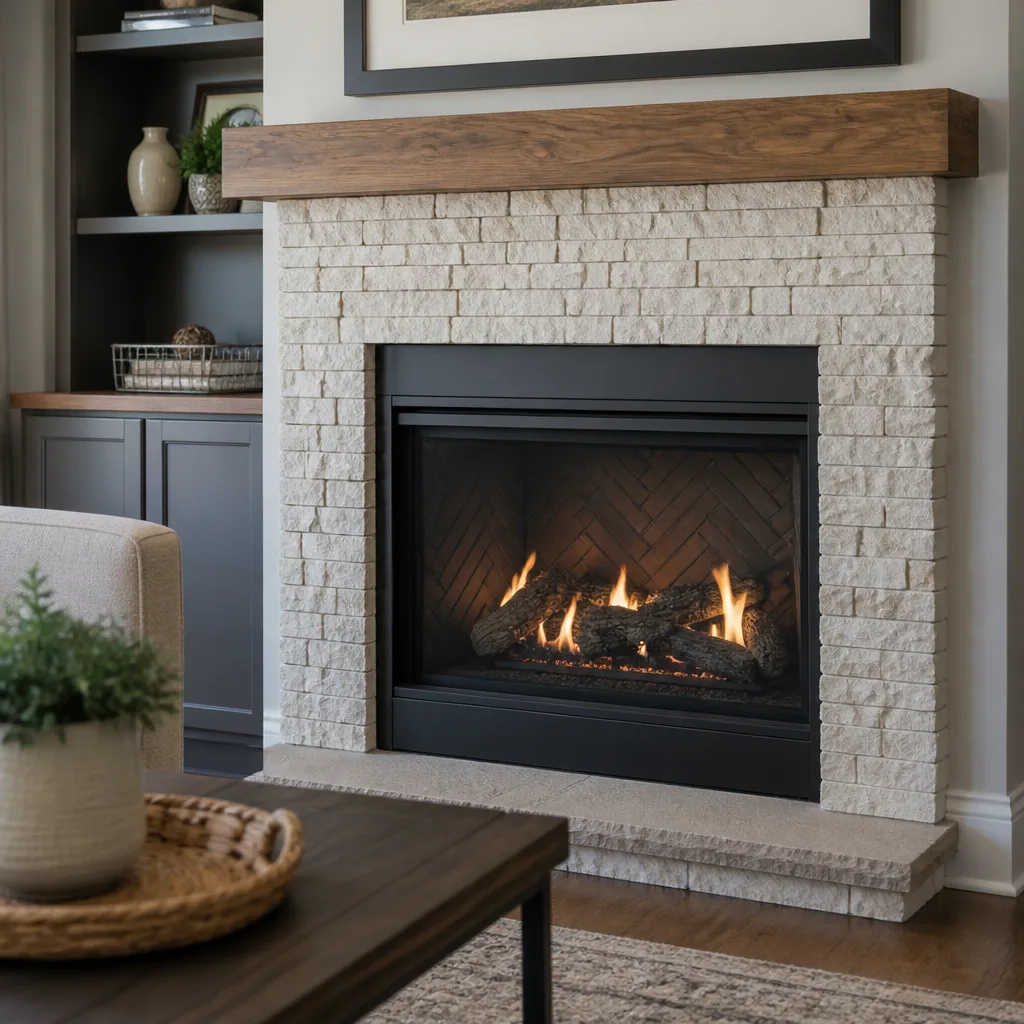 Gas fireplace service
Level 1 sweep and inspection to the NFPA 211 annual standard - flue, crown, cap, and flashing checked and photographed
Chimney sweep logs do not sweep chimneys. They loosen some creosote - which then falls where a brush and vacuum still have to collect it.
Seasonal Chimney Cleaning Care for San Angelo: Year-Round Homeowner’s Guide
Most chimney care advice assumes a hard winter: months of steady burning, snow on the roof, and a spring thaw that puts masonry through a stress test. San Angelo doesn’t work that way. Here, the burn season is short and unpredictable, cold snaps can arrive without much warning, and summer heat and West Texas storms do more quiet damage to a chimney than a full winter of fires ever would. The result is a maintenance calendar that looks nothing like the fall-and-forget routine most homeowners follow. In this guide, we’ll lay out what actually happens to a chimney in San Angelo across all twelve months, what to check and when, and how to keep a fireplace that burns a dozen times a year from quietly falling apart.
Quick Answer
In San Angelo, the right time for a pre-season chimney sweep is late September, not November. The region averages fewer than 60 heating days a year, so most chimneys sit dormant for nine or ten months and collect moisture and biological growth as much as creosote. A well-run schedule looks like this: a post-season inspection in spring, a summer check of the crown, cap, and flashing, a late-September sweep before the first cold snap, and dryer vent cleaning timed to the months when your dryer runs hardest.
Styles & brands we work with
- Sweep & inspection
- Caps & crowns
- Flue relining
- Masonry repair
- Gas fireplace service
Table of Contents
- Why San Angelo’s Climate Breaks the Standard Chimney Calendar
- Why Late September Is San Angelo’s Pre-Season Sweep Window
- Summer Tasks: Heat, UV, and Storm Damage From May to September
- Spring Post-Season: Catching Liner Stress Before It Becomes a Repair
- Managing a Chimney You Only Use 10 to 20 Times a Year
- Dryer Vent Care on the Same Calendar
- A Month-by-Month Schedule for San Angelo Homeowners
- Inspection vs. Sweep: What You Actually Need and When
Why San Angelo’s Climate Breaks the Standard Chimney Calendar
The national chimney advice you’ll read almost everywhere is built around a long heating season. Sweep in the fall, burn through the winter, inspect in the spring. That framework assumes a chimney is loaded with creosote every year and needs a cleaning to match. In San Angelo, the math is different. With fewer than 60 heating days on average, most chimneys spend the large majority of the year cold and unused, and disuse creates its own problems.
Here’s what we mean by that. A chimney that sits idle still breathes. It pulls humid air in, it cools at night, and it warms again by afternoon. West Texas is hard on masonry in exactly this cycle. The heat expands a chimney crown and the mortar joints in the cap; the cool evening contracts them. Over hundreds of cycles a year, small cracks open. Those cracks let water in. Water plus organic material is what grows the dark staining and moss you may have noticed on shaded parts of the chimney above the roofline.
Meanwhile, creosote accumulation is slower here because there’s less burning. That’s not a reason to skip the sweep. It’s a reason to time it correctly. Creosote from a dozen fires still coats the flue floor, and a blocked or restricted flue on the first cold night of the year is when it matters most.
What that means in practice:
- You may need the sweep less often than a homeowner in a cold climate, but you still need it before the season begins.
- The inspection matters more than the brushing here, because structural and moisture damage will usually outpace creosote build-up.
- Summer is the season that does the real work on your chimney’s shell, and it’s the season most people ignore.
- The dryer vent needs a schedule of its own, and it should follow the same logic.
We work on chimneys across San Angelo, and the pattern holds across the whole area. The homes that need real repair work tend to be the ones that sat untouched for years, not the ones that burned a lot of wood.
Why Late September Is San Angelo’s Pre-Season Sweep Window
Late September is the better window for your pre-season chimney sweep in San Angelo. The first meaningful cold snap here can arrive without much warning once October starts, and a sweep booked in November often means waiting in line behind everyone else who suddenly remembered they own a fireplace. Booking in the last two weeks of September gives you a clean flue before the first burn and time to fix anything the inspection turns up.
There’s a practical reason too. In our experience, the September appointment is the one where we find and fix problems calmly. The November appointment is the one where a homeowner is calling because it’s cold, guests are coming, and the flue is choked with a bird’s nest. Same work, more stress.
Here’s how we’d schedule it:
- Book the sweep for the second half of September.
- Get the full inspection done at the same visit, camera included, so you can see the flue interior for yourself.
- Have any repairs the inspection justifies priced and, where possible, completed before the first burn.
- Confirm the cap is intact and the damper operates freely.
- Do one test burn before the first cold night to check the draft.
The test burn is the part people skip. A cold flue drafts poorly for the first few minutes, and an obstruction that a sweep didn’t catch shows itself exactly then. Better to find that out on a mild evening in early October than on the night the temperature drops below freezing.
Summer Tasks: Heat, UV, and Storm Damage From May to September
Summer is when a San Angelo chimney takes the most punishment, and almost no homeowner is thinking about it. Triple-digit heat expands the crown, the cap mortar, and the flashing. UV degrades sealants and the flexible materials around the cap. Then storm season adds horizontal rain driven against the flashing, sometimes with enough force to push water inside the flue itself. By the time fall arrives, the damage is already there.
The main summer failure points on a home in San Angelo:
- The crown. The concrete or mortar cap on top of the chimney is the first line of defense. Hairline cracks that open in the summer heat let water run straight down into the flue masonry. A crown that’s spalling or crumbling is a repair, not a cosmetic issue.
- The flashing. The metal that seals the chimney to the roof is where most leaks begin. Heat expansion, then a summer storm, then a slow drip into the attic or ceiling below. This is fixable when caught early.
- The cap. A well-fitted cap keeps out rain, birds, and debris. We install caps from Gelco, Olympia Chimney, Famco, and Copperfield, which lets us match the right profile to the chimney instead of forcing a single fit. A missing or damaged cap in a storm season is an open door.
- Masonry on the sun-facing side. The south and west faces take the most direct UV and heat. Staining and mortar erosion show up there first.
You can check the crown, cap, and flashing yourself with binoculars from the ground in May and again in August. If anything looks cracked, loose, or missing, that’s the moment to call. Do not climb the roof to inspect a chimney yourself. The height and the pitch are the danger, and a fall is far more serious than a cracked crown. Leave the roof to a trained professional.
If the summer inspection turns up damaged masonry inside the flue, a product like HeatShield can resurface and restore the interior without tearing out and replacing the whole liner. That’s a repair option most basic sweep companies don’t carry.
Spring Post-Season: Catching Liner Stress Before It Becomes a Repair
The spring inspection is the most valuable appointment on the calendar, and it’s the one most folks skip. The reasoning: right after fire season, your chimney has just been through repeated heating and cooling cycles, and any stress on the liner or masonry from that cycling is fresh and visible. Finding it in April means you have all summer to plan the fix before September.
What we’re looking for at a spring inspection:
- Liner integrity. Temperature cycling opens cracks and gaps in clay or older flue tile. A camera inspection shows exactly which sections are involved.
- Creosote depth. How much built up over the season tells us how your fireplace is actually performing and whether the chimney needs a mid-year cleaning.
- Water intrusion. Moisture staining, rusted damper parts, and efflorescence on the exterior masonry are all signs water got in over the winter.
- Gasket and seal condition. When the burn season ends, seals that expanded with heat contract. A gap between a flue tile and the crown is common and easy to miss.
This is where careful work pays off. A liner with stress cracks but a sound outer structure may only need resurfacing with a product like HeatShield. A liner with real structural failure or a clay flue that’s cracked through may need replacement with a flexible liner system, and DuraFlex is the professional-grade brand we install for that work. Catching the difference in spring rather than November is what turns a small repair into a non-event.
Managing a Chimney You Only Use 10 to 20 Times a Year
The average San Angelo homeowner burns the fireplace maybe 10 to 20 times per year. That’s a low-use chimney, and it needs a different kind of care than one that runs every night of a cold winter. High-use chimneys are cleaned for creosote. Low-use chimneys in San Angelo are maintained primarily for moisture, pests, and structural integrity, and the disuse is what does the damage.
What actually goes wrong with a low-use chimney:
- Animal nests. A chimney that’s cold and dark for months looks like a good home to birds, squirrels, and other animals. Nests block the flue and cause smoke backdraft when you do light a fire.
- Moisture. Cooler flue surfaces attract condensation. Over months of no fires, that moisture combines with soot residue to stain and soften masonry.
- Seized dampers. A damper left in one position for months can seize up. A damper that won’t open means the first fire of the season fills the room with smoke.
- Cracked crowns from summer heat. Already mentioned, but it hits low-use chimneys harder because there’s no sweep visit to catch it in passing.
Here’s the routine we’d recommend for a chimney you use fewer than 20 times a year:
- A sweep and inspection in late September, before the first burn.
- A spring inspection after the last fire of the season.
- One small visual check in mid-summer, from the ground with binoculars, for the crown, cap, and flashing.
- Exercise the damper once a month during the off season.
- Keep a quality cap installed year-round to stop pests and rain.
Even a few fires per year deposit creosote. That’s why the annual sweep still matters even when your burn count is low. What changes for a low-use chimney is that the inspection carries more weight than the brushing, and it should be thorough.
Dryer Vent Care on the Same Calendar
Dryer vent care should follow the same seasonal logic as your chimney, and it’s the piece most homeowners forget. Lint accumulates fastest in the winter months when households run the dryer most. In San Angelo, that’s the few months of the year when you’re most likely to be running loads back and forth on cold days, and it’s exactly when the vent is at its least clear from the previous year. Cleaning the vent on a seasonal schedule, timed to before the heavy-use stretch, keeps it safe.
The fire risk from lint is real and documented. The NFPA links roughly 2,900 home fires per year to clothes dryers, and lint accumulation is a leading cause. It’s also the easiest problem to prevent.
A dryer vent schedule that fits San Angelo’s seasons:
- Early fall: get the vent cleaned before the heavy-use stretch. This pairs naturally with the late-September chimney sweep visit.
- Mid-winter: check the exterior vent flap for lint building up at the outside end.
- Spring: a second inspection alongside the spring chimney inspection. If the vent was already cleaned, this is usually a quick look.
- Summer: clear any debris or animal activity from the exterior vent termination.
One call covers both your chimney and your dryer vent, and doing dryer vent cleaning on the same calendar as your chimney work means you’ll never have to remember two schedules. The vent cleaning is a standalone service; it doesn’t need the chimney sweep as an excuse.
A Month-by-Month Schedule for San Angelo Homeowners
Here’s the full year at a glance, built around the actual climate rather than the standard national template. Print it, put it on the fridge, and call when the month says so.
January and February: burn season. If you haven’t had the chimney swept since the previous fall, get it swept before the next burn. Watch the draft on each fire; poor draft is a sign something is wrong.
March: last fires of the season. After your final burn, don’t wait. Book the spring inspection within a few weeks.
April: post-season inspection. Camera inspection, liner check, moisture check. Any needed repairs get planned now, not in the fall.
May: first summer check. Ground-level look at the crown, cap, and flashing with binoculars. Repair anything that looks cracked or loose.
June: masonry repair window. If the spring inspection found liner stress that needs resurfacing, this is the season to do it. HeatShield work and DuraFlex liner jobs both install well before storm season builds.
July: mid-summer check. Same ground-level look at the crown and flashing. Exercise the damper. Consider a professional whole-system evaluation if you’re due.
August: last summer repair window. Anything still to be fixed should be done now, before the pre-season rush.
September: the pre-season sweep. Book for the second half of the month. Full inspection and sweep together.
October: test burn. Confirm the damper opens smoothly and the draft is good. Call us if anything is off.
November: burn season. If you’ve followed the schedule, this should be an easy month. If a problem appears now, call and we’ll fit you in.
December: burn season. Same as January.
Around the whole schedule, the dryer vent cleaning slots into early fall, spring, and after any season of heavy dryer use.
Inspection vs. Sweep: What You Actually Need and When
A sweep removes creosote and debris. An inspection evaluates the condition of the flue, liner, cap, crown, and masonry. They’re different jobs, and in San Angelo, the inspection is the one that turns up the work. Here’s how we’d have you think about which service to book.
Book a chimney sweep when:
- You’ve burned at least a dozen fires since the last sweep.
- You notice smoke rolling back into the room when you light a fire.
- The smell of soot is strong in the house during warm months.
- You’ve never had the chimney cleaned and you don’t know the history.
Book an inspection when:
- You’re buying or selling a home that has a chimney.
- You notice cracks in the crown or staining on the interior masonry.
- You’ve had a chimney fire, even a small one.
- You’ve had roof work done near the chimney and want the flashing checked.
In practice, the September appointment is both: sweep and inspection in one visit, with a camera inspection and a report you can look at yourself. That’s how it should work. You shouldn’t have to take anyone’s word for what’s inside your chimney. If we recommend a liner repair, you see the reason on the camera. If we tell you the work can safely wait a season, we’ll tell you that too.
If any part of the job involves a high-tension component, electrical or gas work, or a steep roof, we don’t do it ourselves in a step-by-step format for you, and we recommend against homeowners attempting it. Line and flue work belongs with a trained professional. That’s a duty of care we take seriously.
Common Mistakes to Avoid
- Booking the pre-season sweep for November. By then the first cold snap has usually already hit San Angelo, and the schedule is backed up with everyone who waited. Book in the second half of September instead.
- Treating a low-use chimney as a no-use chimney. Ten or twenty fires a year still produce creosote and still need an annual inspection. Disuse adds moisture and pest problems that a sweep won’t catch alone.
- Skipping the summer check because nothing seems wrong. Crown cracks and flashing failures show on the exterior first. A ten-minute look with binoculars in May catches things before they become interior leaks.
- Assuming a browser search or a handyman with generic supplies can solve it. Professional-grade materials matter. HeatShield, Gelco, Olympia Chimney, and Famco all solve specific problems that a generic cap or a silicone patch won’t.
- Forgetting the dryer vent. It’s the same venting system logic as the chimney and the same fire risk category. Clean it on the same calendar.
- Climbing on the roof to check the chimney yourself. The pitch, the height, and the heat combine into a serious fall risk. Use binoculars from the ground and call us for anything up close.
- Ignoring a chimney that drafts poorly in October. That’s usually the first sign of an obstruction or a damaged damper, and it should be checked before the cold season starts.
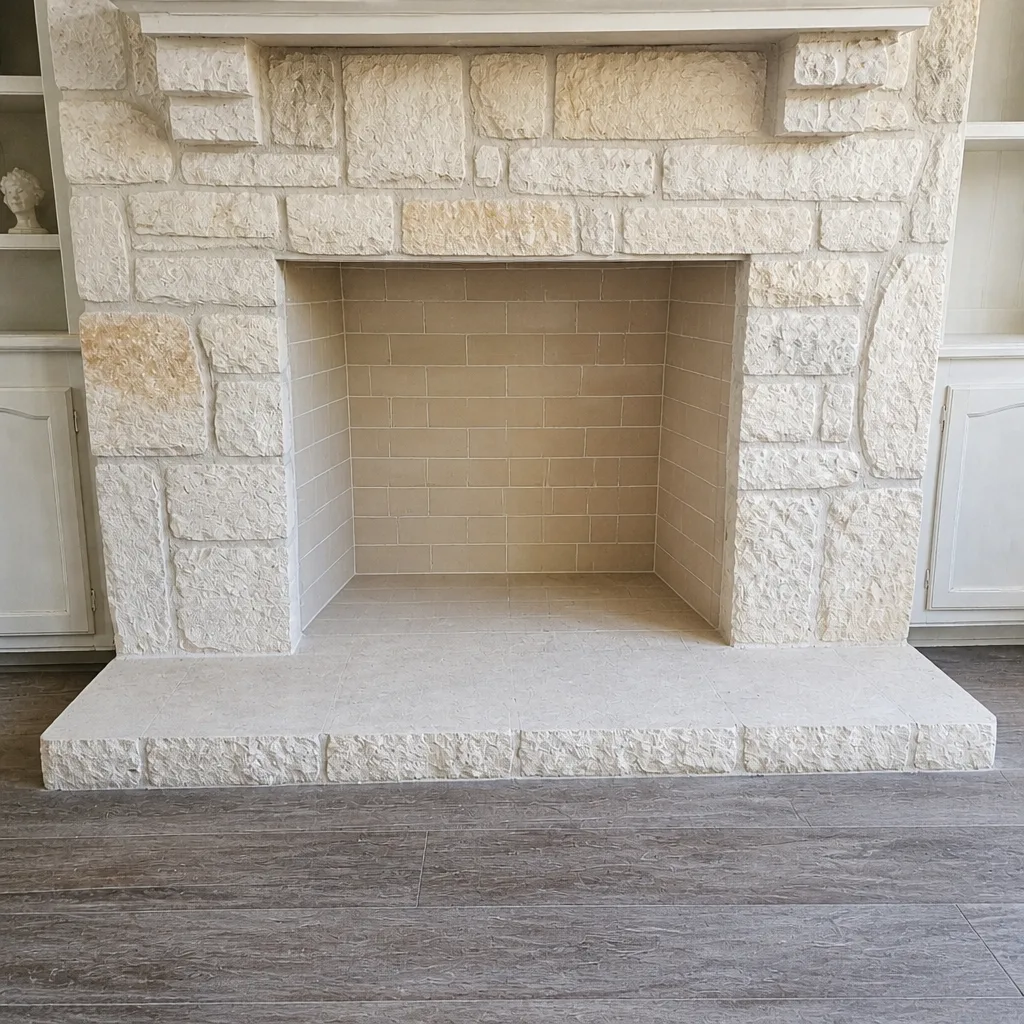
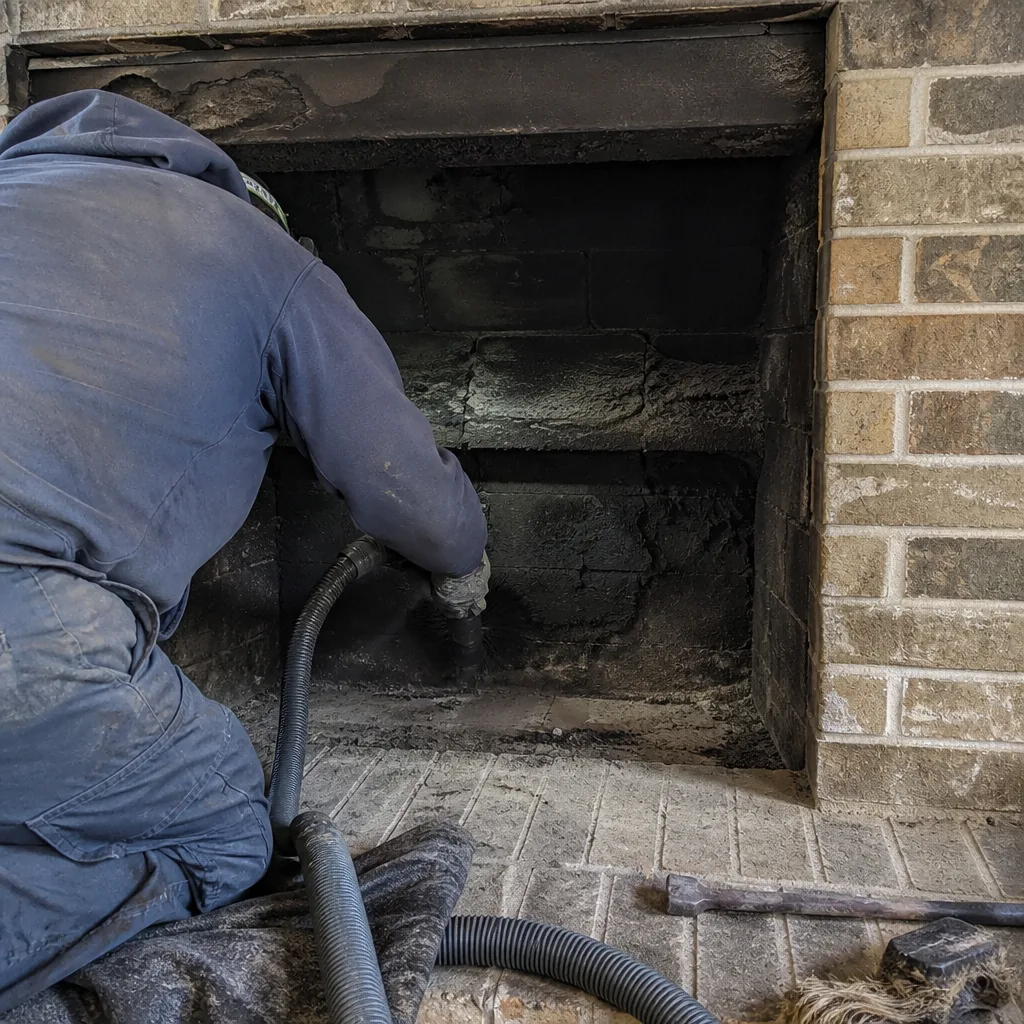
See the difference
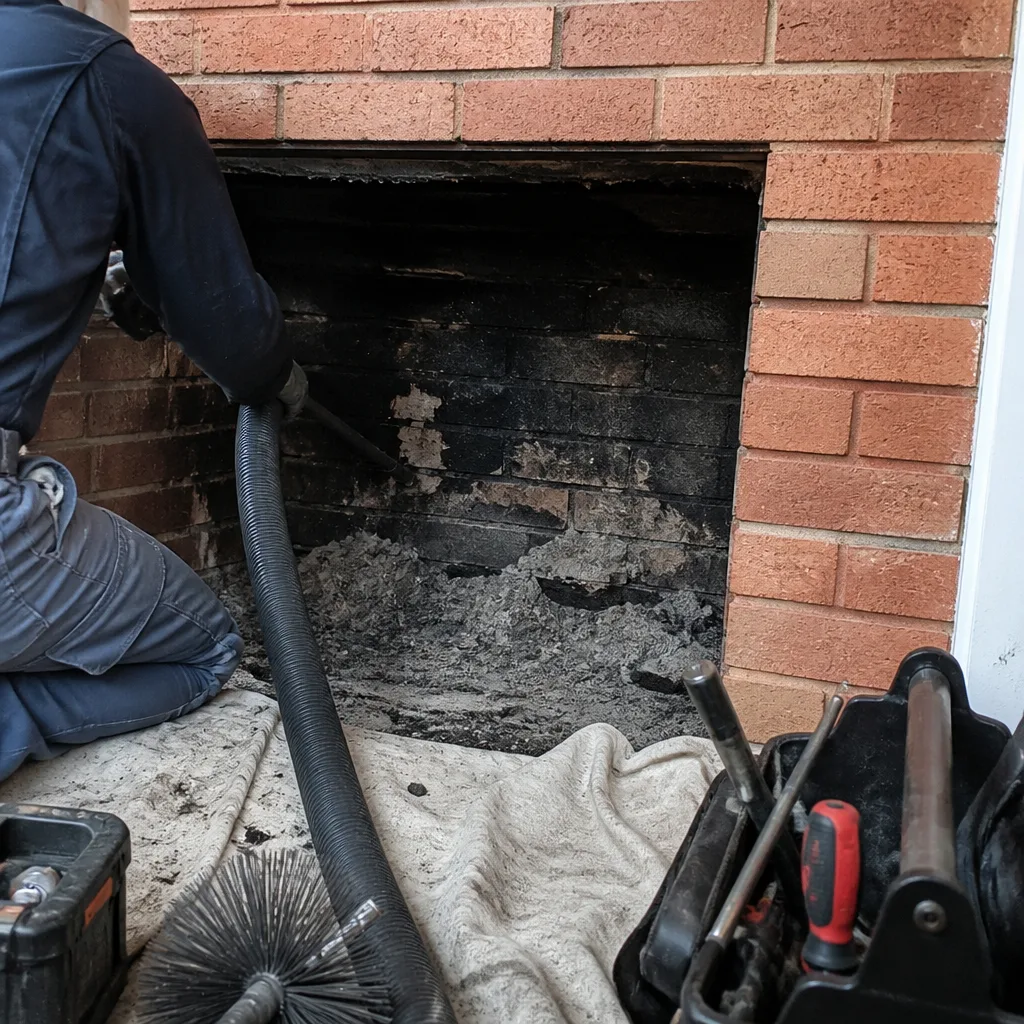 Before
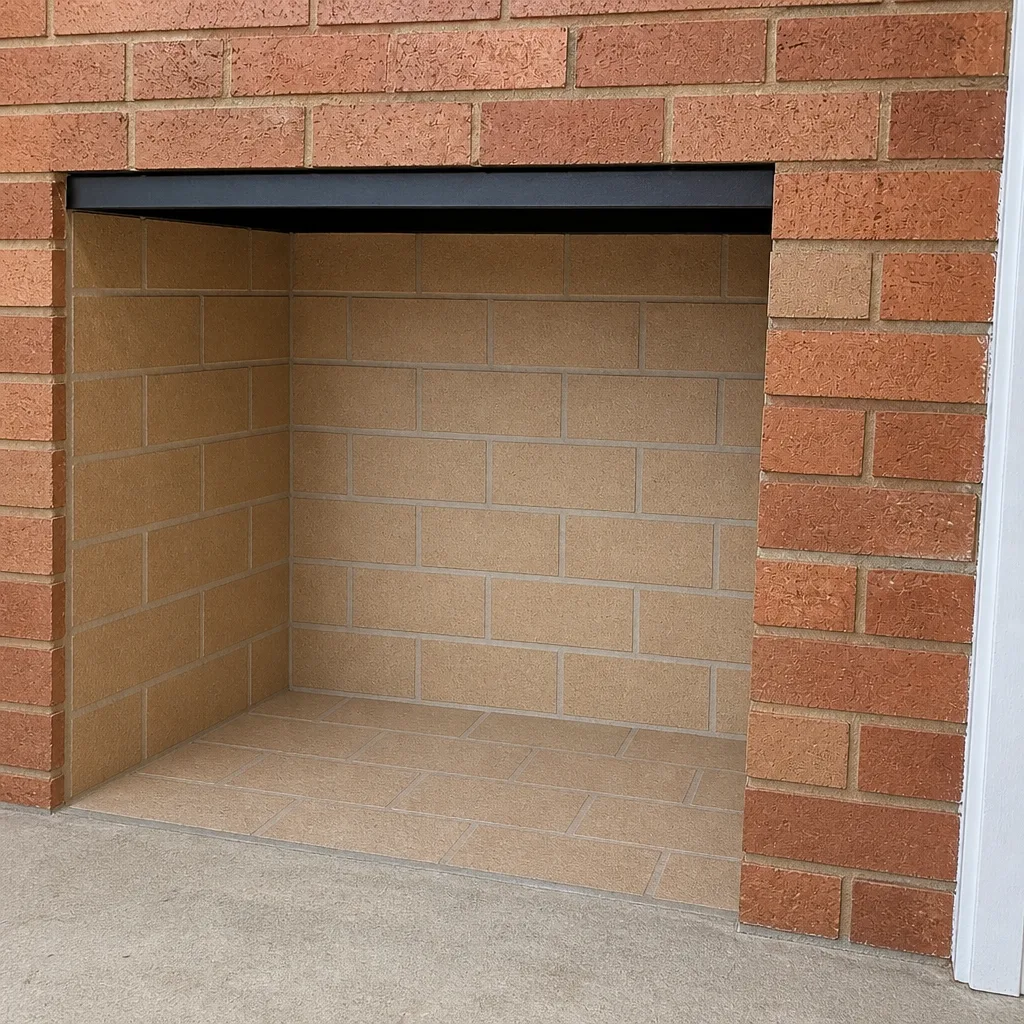 After
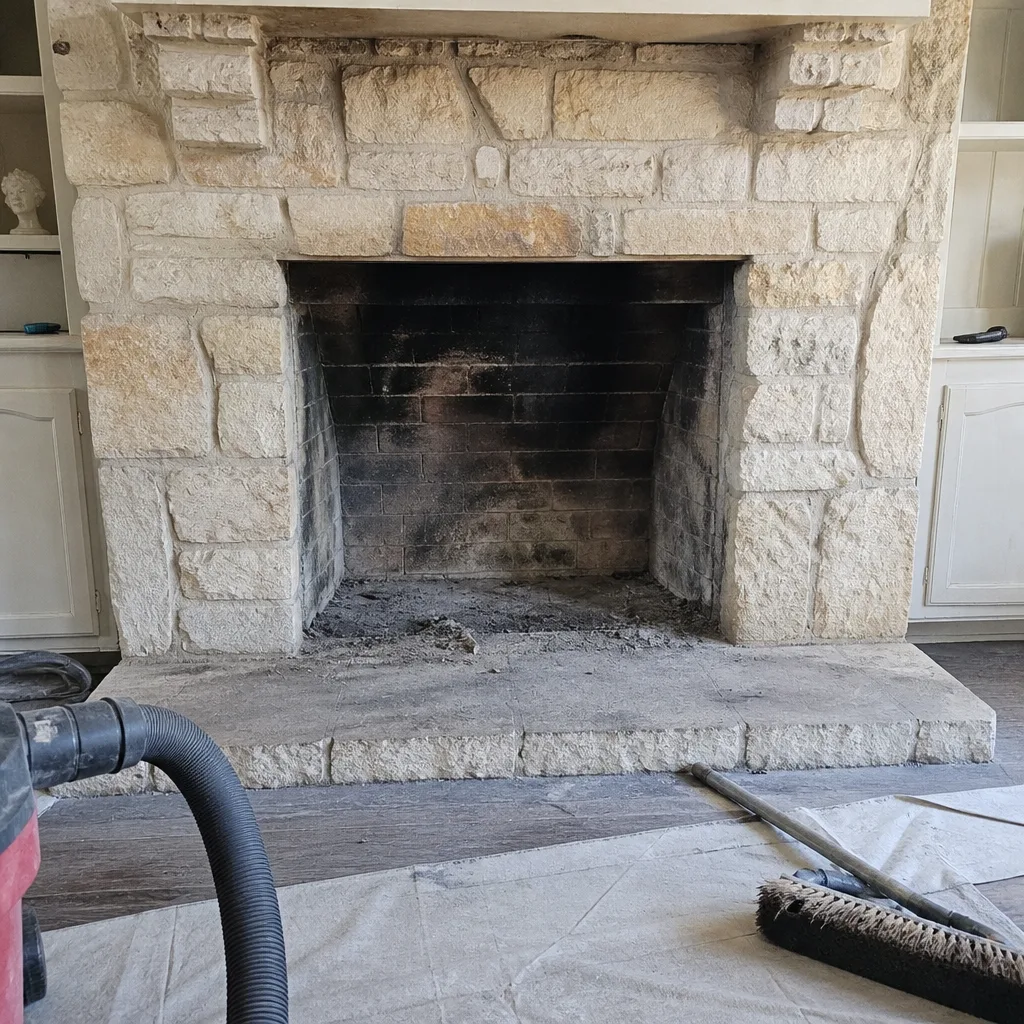 Before
 After
 Before
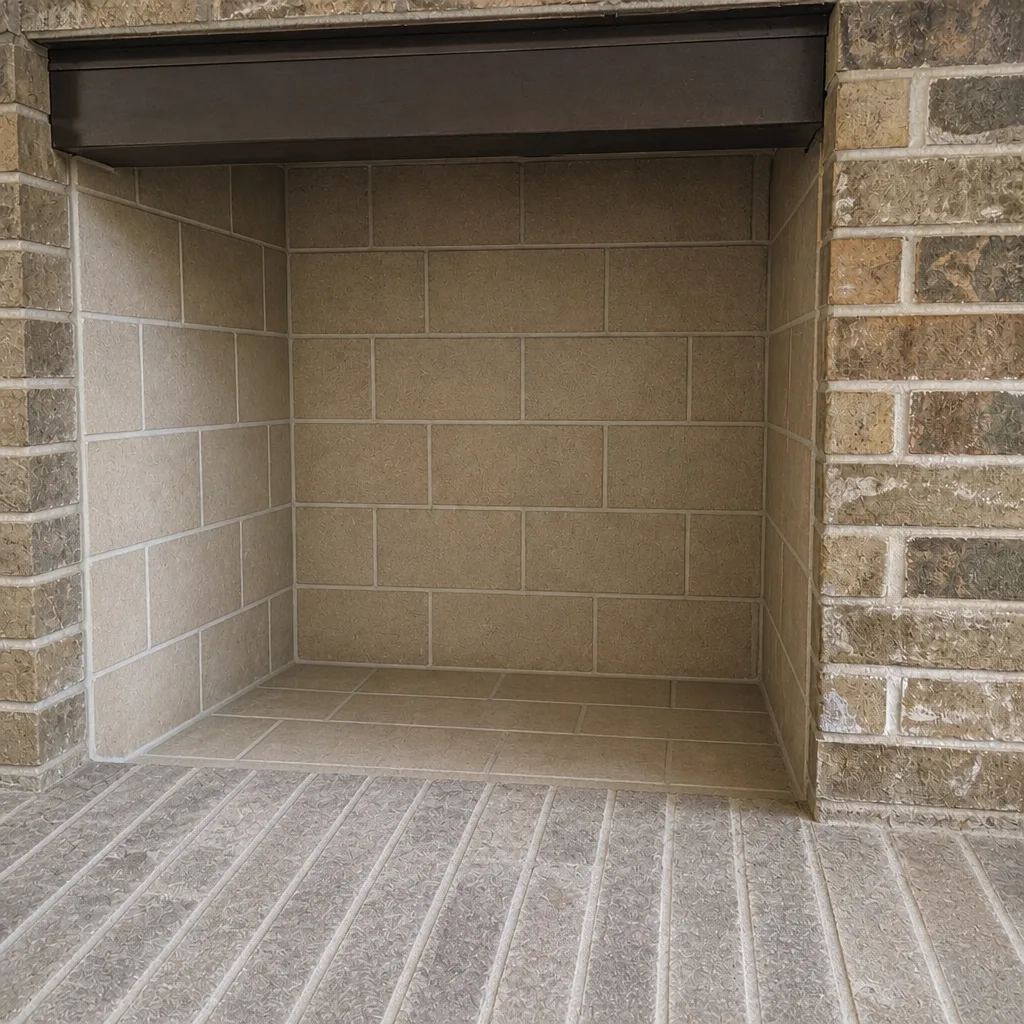 After
When to Call a Professional
Call a professional in San Angelo when the smoke doesn’t draft up the chimney on the first fire of the season, when you notice soot stains or creosote flakes inside the firebox or on the face of the chimney, when you see cracks or crumbling on the crown above the roofline, or when you smell smoke inside the house during a fire. Also call if it’s been more than a year since the chimney has had a sweep or inspection, if there’s been a chimney fire, if the damper sticks, or if you’re buying or selling a home with a fireplace. The chimney is a piece of building envelope that quietly fails when left alone, and the repair is cheaper when it’s caught early. Chimney Sweep San Angelo offers free estimates in San Angelo; call (833) 946-3155 to book one. We answer 24/7. Fast dispatch from 7am to 7pm, Sunday through Friday.
Frequently Asked Questions
Once a year for most San Angelo homes, timed for late September before the burn season starts. Even a low-use fireplace burning 10 to 20 times a year should be swept annually, because creosote from a dozen fires still accumulates and the sweep visit is also the inspection that catches moisture, pest, and structural problems early. If you burn daily through the winter, twice a year may be warranted. Call (833) 946-3155 for an exact quote, and estimates are free.
Because the first cold snap in San Angelo can arrive without warning once October begins, and a November booking usually means waiting in line behind everyone who suddenly remembered they own a fireplace. Late September gives you a clean flue, a full inspection, and time to fix anything found before the first burn. Book in the second half of the month. Call (833) 946-3155 for an exact quote, and estimates are free.
Yes. Low use doesn’t eliminate creosote; it just slows build-up. What low use does change is the nature of the damage. A dormant chimney collects moisture, animal nests, and seized dampers more than it collects creosote. The annual sweep and inspection are still the right call. Call (833) 946-3155 for an exact quote, and estimates are free.
It works on the shell of the chimney more than the inside. Heat expands the crown, the cap mortar, and the flashing; cooler evenings contract them. Hundreds of cycles a year open small cracks that let water in during summer storms. UV light degrades the sealants and flexible materials. Checking the crown, cap, and flashing from the ground with binoculars in May and August catches most of it. Call (833) 946-3155 for an exact quote, and estimates are free.
Yes, because lint accumulation peaks in the winter months when households run the dryer most. Cleaning the vent in early fall, alongside the September chimney sweep, keeps it clear before the heavy-use stretch. The NFPA links roughly 2,900 home fires per year to clothes dryers, and lint is a leading cause. Call (833) 946-3155 for an exact quote, and estimates are free.
The damage that could have been caught in April becomes a repair in September. Liner stress from heating and cooling cycles is most visible in the spring, and catching a resurfacing job (a HeatShield repair, for example) before it turns into a full liner replacement with DuraFlex saves real money and real disruption. Skip the inspection and the choice is made for you later. Call (833) 946-3155 for an exact quote, and estimates are free.
The Bottom Line
San Angelo doesn’t run a standard four-season chimney calendar. The burn season is short, the summer does most of the damage, and the schedule that protects your home in this climate is different from the generic fall-and-forget routine. Sweep in late September before the first cold snap. Inspect in spring before liner stress turns into structural repair. Check the crown, cap, and flashing with binoculars in summer. Exercise the damper once a month. Clean the dryer vent on the same calendar. Our technicians have up to 11 years of experience, and we work in professional-grade materials from DuraFlex, HeatShield, Gelco, Olympia Chimney, Famco, and Copperfield because the right part is what makes the repair last. Call (833) 946-3155 for a free estimate. We answer 24/7. Fast dispatch from 7am to 7pm, Sunday through Friday.
Book your seasonal chimney care with Chimney Sweep San Angelo and know that every recommendation comes with camera evidence you can see for yourself. Call (833) 946-3155 for a free estimate. We answer 24/7. Fast dispatch from 7am to 7pm, Sunday through Friday.
Written by the team at Chimney Sweep San Angelo.