
Last updated November 15, 2026
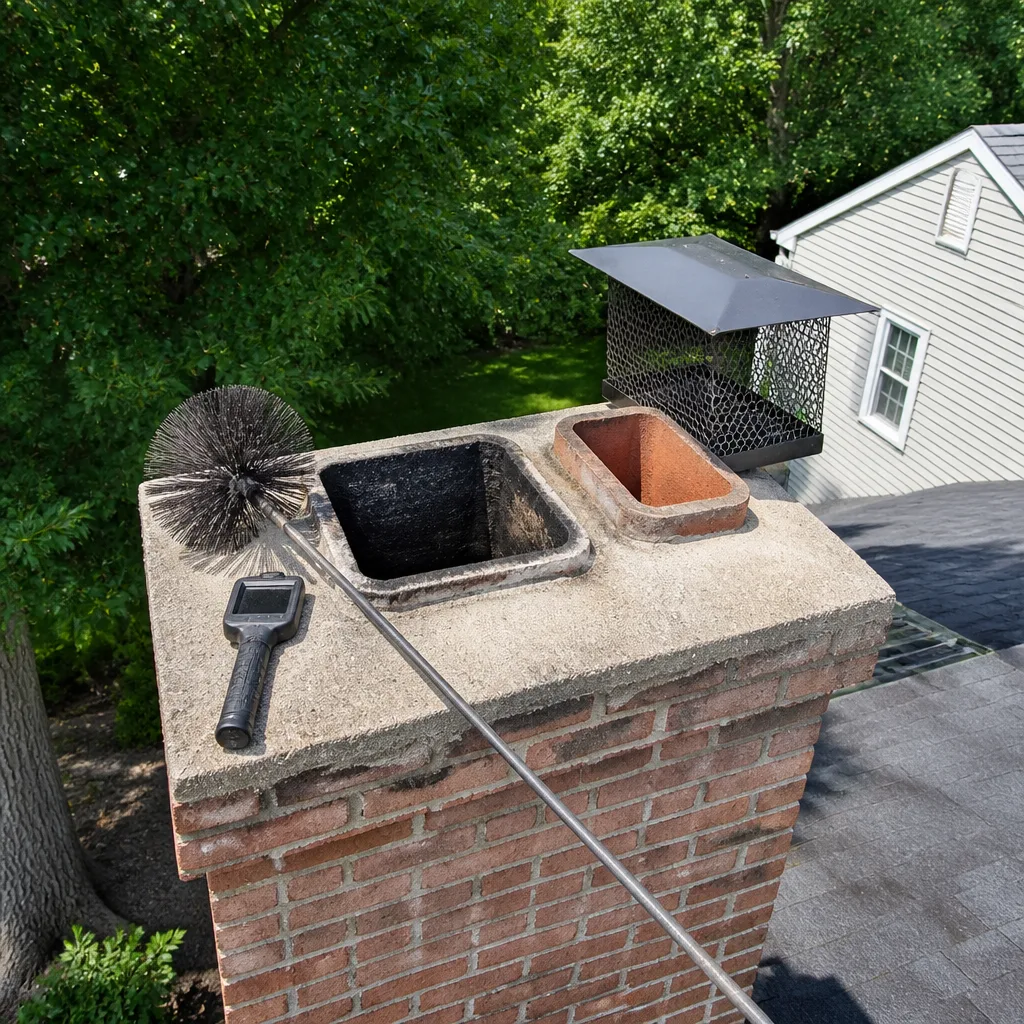 Sweep & inspection
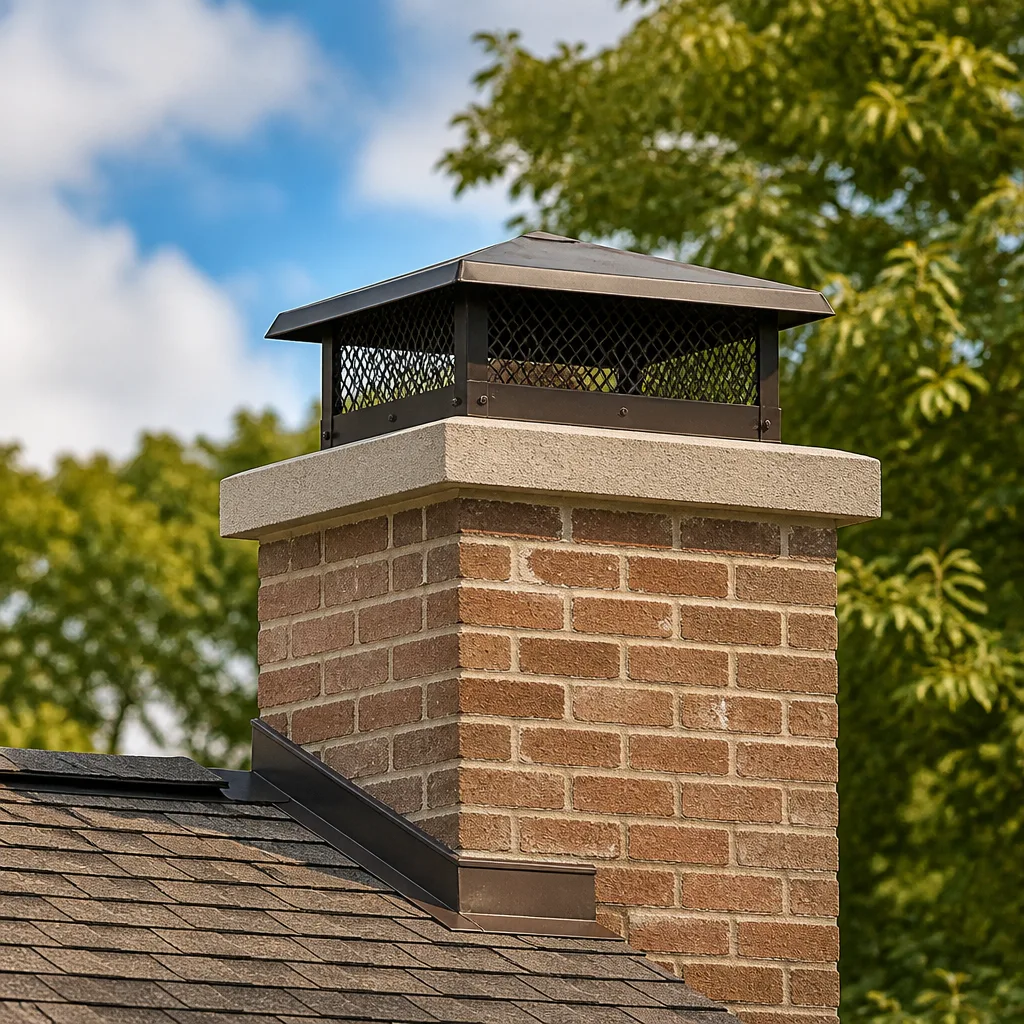 Caps & crowns
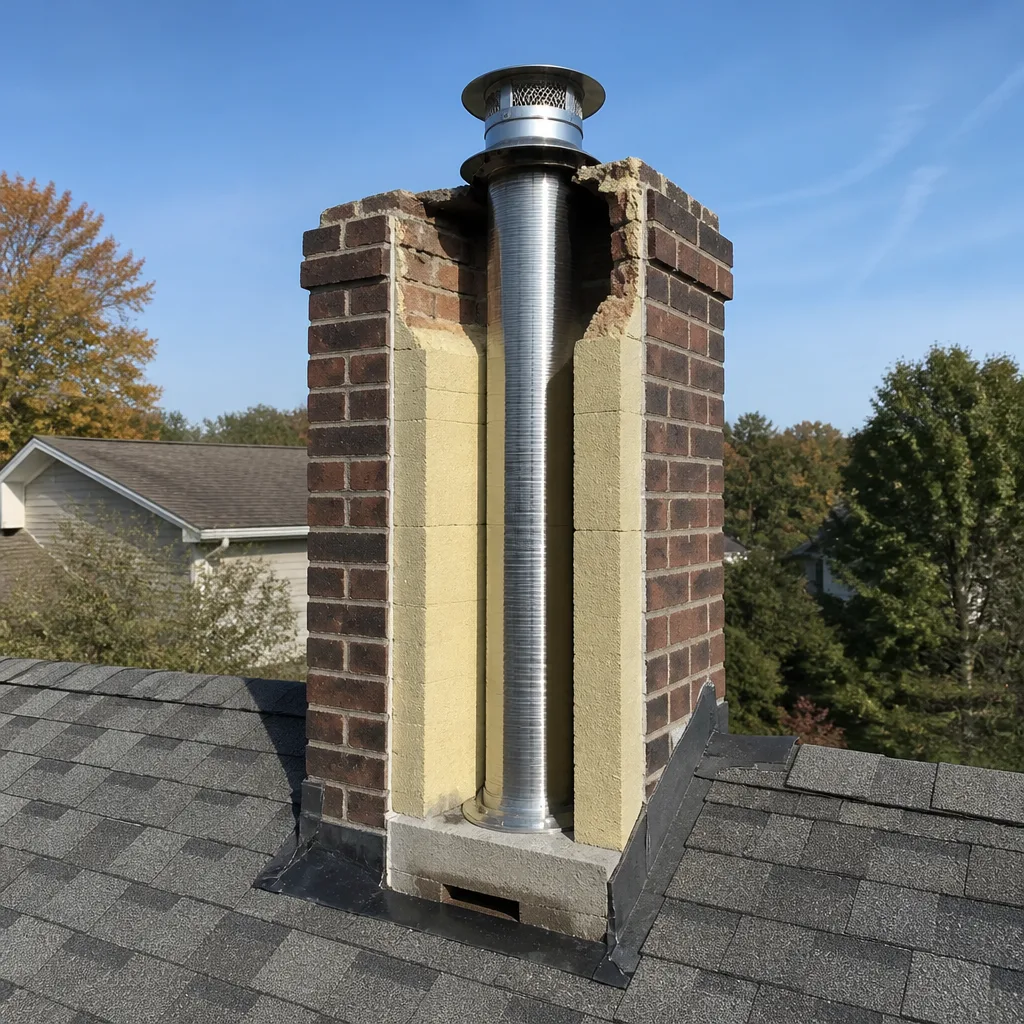 Flue relining
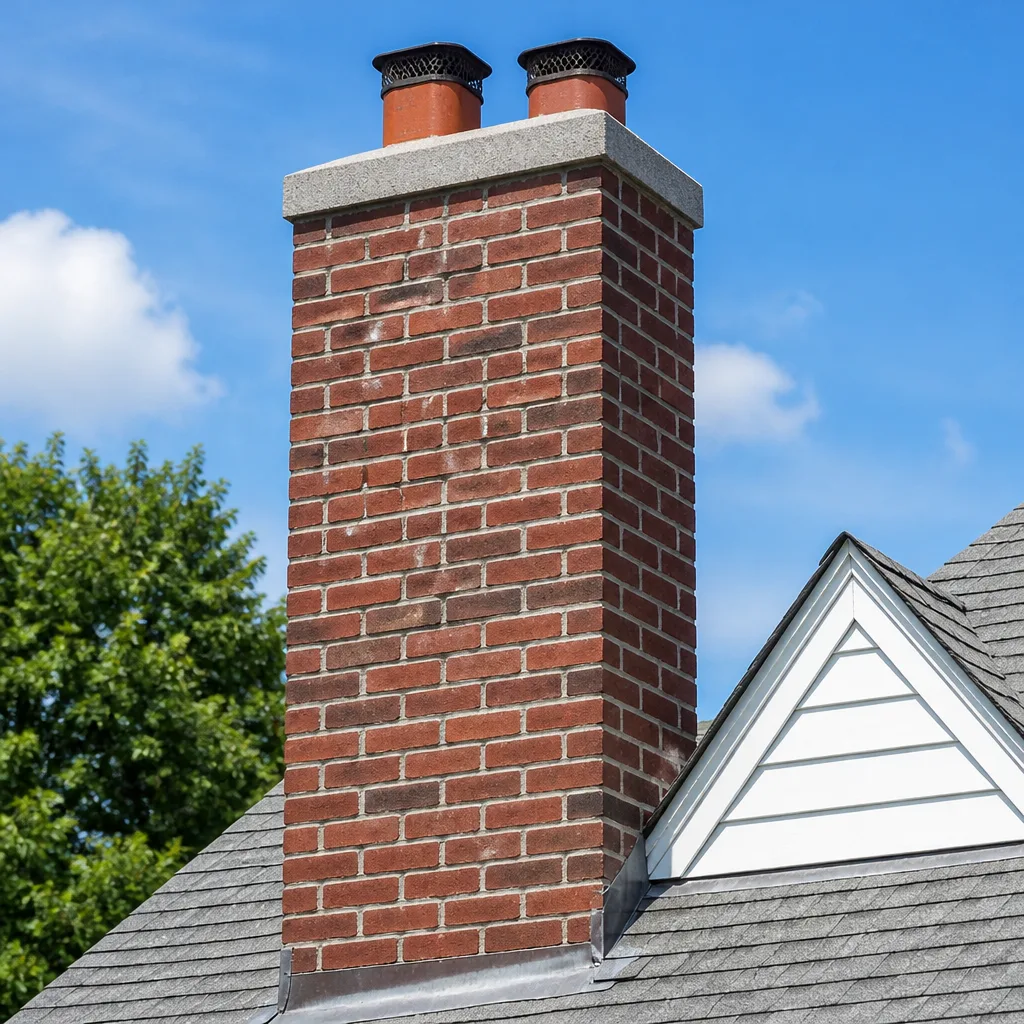 Masonry repair
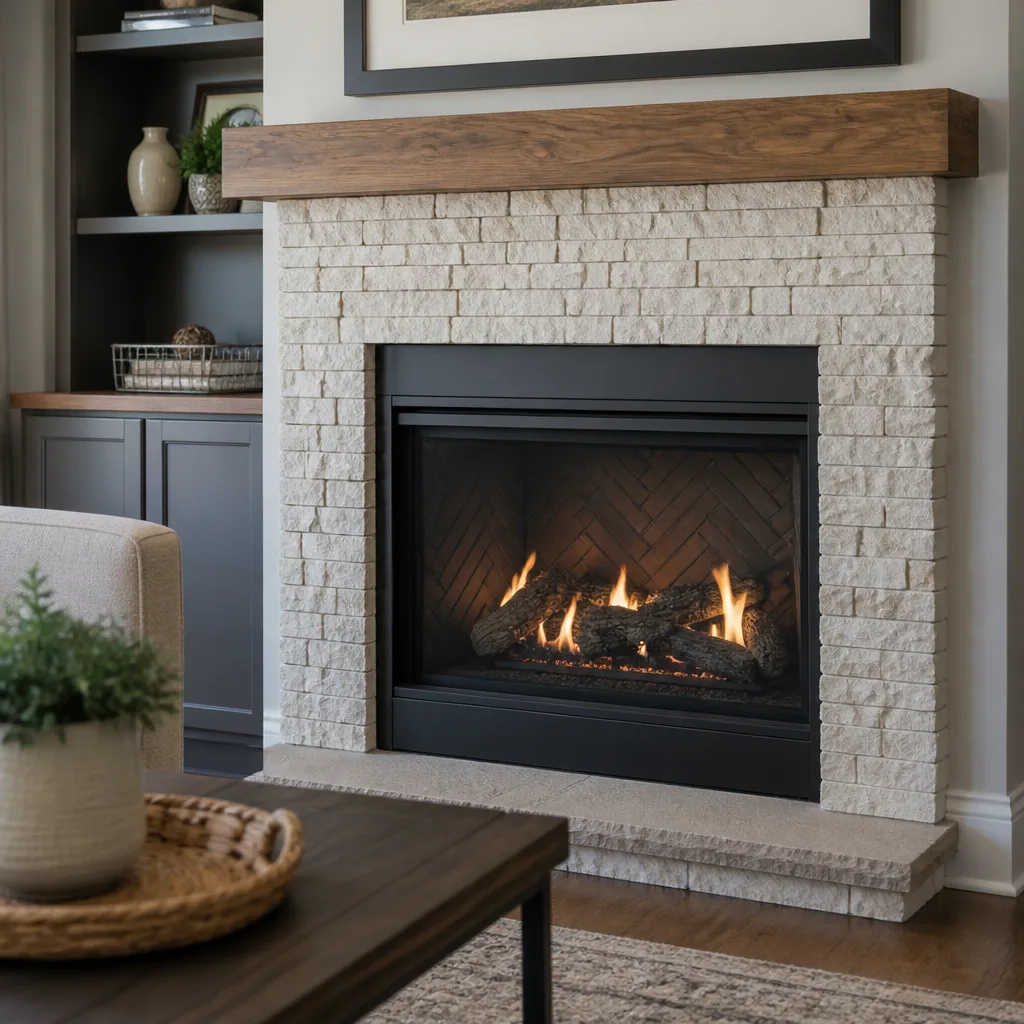 Gas fireplace service
Level 1 sweep and inspection to the NFPA 211 annual standard - flue, crown, cap, and flashing checked and photographed
Chimney sweep logs do not sweep chimneys. They loosen some creosote - which then falls where a brush and vacuum still have to collect it.
The Complete Guide to Chimney Cleaning in San Angelo
Most chimney advice you’ll find online was written for someone burning oak in New England or pine in the Pacific Northwest. San Angelo isn’t that. Mesquite is one of the most common firewoods in Tom Green County, and it burns hotter and dirtier than most of what those national guides are built around. That difference matters, because the firewood you burn is the single biggest factor in how fast creosote builds up inside your flue. Cleaning schedules, inspection levels, and even the tools a sweep brings all change when your fuel is mesquite and your weather swings from cold nights to triple-digit afternoons. This guide walks through what a real chimney cleaning in San Angelo should involve: what gets inspected, what gets swept, what the report should tell you, and how to tell a full service from a surface brush-down.
Quick Answer
A thorough chimney cleaning in San Angelo means sweeping the flue, inspecting the full venting system at the right level for your situation, and leaving you a documented report of what was found. Because mesquite and other West Texas hardwoods produce heavy creosote, and because local temperature swings stress mortar joints, a proper visit is an inspection and a cleaning together, not just a brush run down the flue.
Styles & brands we work with
- Sweep & inspection
- Caps & crowns
- Flue relining
- Masonry repair
- Gas fireplace service
Table of Contents
- Why Mesquite Changes Your Cleaning Schedule
- The Three Inspection Levels and When Each Applies
- How San Angelo’s Temperature Swings Affect Your Chimney
- The Tools That Separate a Full Cleaning From a Surface Sweep
- What Happens During a Chimney Cleaning, Step by Step
- How to Read Your Post-Cleaning Report
- The Vent Most Homeowners Forget: Your Clothes Dryer
- How Often Should a San Angelo Chimney Be Cleaned?
Why Mesquite Changes Your Cleaning Schedule
Mesquite is a dense hardwood that burns long and throws serious heat. It’s also resinous, and that resin is what turns into creosote on the cooler surfaces inside your flue. Compared to the oak and pine most national checklists assume, mesquite tends to lay down sticky, gummy deposits faster, and those deposits are the ones that later harden into the glazed, tar-like stage that’s hardest to remove. In our experience around San Angelo, a fireplace that sees regular mesquite burning can build up meaningful creosote in a single heating season.
Creosote forms in three recognizable stages, and knowing them helps you understand what your sweep is dealing with:
- First degree: soot and flaky, powdery deposits. Easy to brush, and the stage where routine cleaning keeps you.
- Second degree: sticky, crusty deposits that need more than a light brush pass. Often a sign your burning habits or wood moisture need a look.
- Third degree: glazed, hardened, tar-like creosote that has baked onto the flue walls. This is the stage tied to chimney fires and the one that calls for rotary cleaning tools rather than hand brushing.
The takeaway for anyone burning mesquite near San Angelo is simple: don’t stretch your cleaning interval to match a national article written for milder firewood. Shorter intervals, plus an annual inspection, keep you out of the third-degree range. If you’ve gone several seasons without a sweep, that’s the time to book one before the next burning season starts, not after you notice a problem.
One more mesquite-specific point: hardwood that hasn’t been seasoned properly burns cooler and smolders more, which is exactly the condition that makes creosote worse. Getting your wood split and stacked well ahead of the season is as much a part of chimney health as the cleaning itself.
The Three Inspection Levels and When Each Applies
Not every chimney visit is the same, and a sweep who doesn’t explain which inspection level applies to your home is skipping a step. The three standard levels are your roadmap to what actually got checked.
Level 1: The Routine Check
A Level 1 inspection covers the readily accessible parts of your venting system: the firebox, damper, flue from the firebox up as far as can be seen, and the chimney exterior. It’s the right call when your setup hasn’t changed and you’re on a normal cleaning schedule. Most annual cleanings on a straightforward wood-burning fireplace start here.
Level 2: When Something Has Changed
A Level 2 inspection goes further and typically includes a camera run through the flue to see the full interior. It applies when there’s been a change in how the system is used or how it’s built:
- You’ve just bought the home, or you’re selling it.
- You’ve switched fuels, or added or replaced an appliance like a gas insert.
- You’ve had a chimney fire, even a small one you think put itself out.
- There’s been a structural event nearby, like a damaging storm.
- You’re noticing drafting problems, smoke spilling into the room, or water getting in.
For San Angelo homes with gas inserts or a mix of gas and wood appliances, the Level 2 camera inspection is often what catches liner problems that eyes alone can’t reach.
Level 3: When Diagnosis Requires Access
A Level 3 inspection is the most involved and is used when a Level 1 or Level 2 turns up a concern that can’t be diagnosed without opening up parts of the chimney or building. It’s not a routine visit; it’s a targeted investigation. The good news is that a thorough Level 2 with camera evidence keeps most San Angelo homeowners out of Level 3 territory, and it’s why we won’t recommend repair work you can’t see the reasoning for on camera.
Understanding these levels matters when you’re comparing quotes. A cheap sweep that only brushes and never cameras isn’t doing the same job as one that inspects. When you’re ready to book, a proper chimney sweep will tell you upfront which level your situation calls for.
How San Angelo’s Temperature Swings Affect Your Chimney
San Angelo weather doesn’t hold still. A winter night can drop toward 20°F, and summer afternoons climb past 100°F. That range is hard on masonry. Mortar joints and liners expand and contract with those swings, and over enough seasons that movement can open hairline cracks in the flue, loosen mortar, and stress the connections where the chimney meets the rest of the house. None of that shows up as a dramatic problem. It shows up quietly, and it matters because a cracked flue can let heat, smoke, and carbon monoxide reach places they shouldn’t.
This is the core reason a cleaning visit and an inspection have to travel together. Brushing removes creosote, but brushing alone won’t tell you whether the mortar behind it is sound. A camera inspection through the flue is what reveals those hairline issues. So the pattern we recommend for San Angelo homes is straightforward:
- Clean on a schedule set by your burning habits, because of the mesquite creosote load.
- Inspect annually, because of the temperature-driven stress on the flue and mortar.
- Fix small mortar or liner issues while they’re small, rather than waiting for a symptom.
When the inspection does turn up deteriorating mortar joints in the flue, you don’t always need a full liner replacement. Products like HeatShield are designed to resurface the flue interior and restore those joints, which is a cost-conscious repair option many basic sweep companies simply don’t carry. The point isn’t to sell you on a product. It’s that the right materials on hand mean a repair can actually happen rather than being deferred to a second contractor and a second appointment.
The other local factor worth knowing is soil. Clay-heavy soil shifts with moisture, and that movement can put subtle stress on a chimney’s foundation and structure over time. You won’t fix that with a brush, but a sweep who’s paying attention will note structural signs during the exterior portion of the inspection and tell you when something deserves a closer look.
The Tools That Separate a Full Cleaning From a Surface Sweep
The difference between a real cleaning and a quick brush-down usually comes down to equipment. A hand brush on a rod reaches the flue walls and knocks loose soot from the first-degree stage. It does not reliably remove sticky second-degree deposits or glazed third-degree creosote. For that you need rotary cleaning systems, powered whip heads that spin against the flue wall with enough force to break hardened deposits free.
Here’s what we think a thorough visit should be able to bring to the job, and why each piece matters:
- Rotary cleaning systems for glazed creosote that hand brushing can’t touch.
- Camera inspection equipment so the flue interior gets seen, not guessed at.
- Professional-grade cap materials from brands like Gelco, Olympia Chimney, and Famco, so a cap fits your actual chimney profile rather than a generic one-size attempt.
- Flue resurfacing compound such as HeatShield for mortar restoration.
- Flexible liner systems like DuraFlex for relining work when a flue can’t be safely repaired in place.
That last point is a good litmus test. Full liner replacement is a real job, and a company prepared to handle it carries the professional-grade liner systems that meet code and stand up to the heat. We stock and install DuraFlex flexible liner systems, and we use HeatShield resurfacing compound as an alternative to full relining when the damage doesn’t call for it. If a sweep shows up with only a brush and a shop vac, ask what happens when the camera finds a problem, because the answer tells you a lot.
Professional-grade materials, not hardware-store substitutes. That’s the standard we hold to, and it’s the reason we work with an intentional set of industry brands rather than grabbing whatever’s on the shelf. Built to meet the standard, not just pass the inspection.
What Happens During a Chimney Cleaning, Step by Step
Knowing the sequence helps you judge whether a visit was thorough. A complete cleaning in a San Angelo home generally follows these stages.
- Set up and protect the space. Drop cloths and a sealed work area keep soot out of your living room.
- Inspect before cleaning. The firebox, damper, and accessible flue get checked first so the sweep knows what they’re dealing with.
- Clean the firebox and damper. Ash, soot, and debris come out of the firebox area.
- Sweep the flue. Hand brushes for light deposits, rotary systems for the harder stages.
- Camera the flue. A run through the interior to confirm it’s clean and to spot cracks, gaps, or mortar deterioration.
- Check the exterior. Cap, crown, and the outside of the chimney get a look for damage, nesting, or water intrusion.
- Test the draft. Confirming the system pulls correctly when it’s reassembled and ready.
- Walk you through the findings. Photos and a written summary of what was clean, what was found, and what, if anything, needs attention.
Safety is the reason this matters, so we’ll say it plainly: the creosote that builds up inside a flue is flammable, and a chimney fire is a serious event. Carbon monoxide from a blocked or damaged flue is the quieter hazard, since it has no color or smell. Everything in that list exists to lower those risks. We come prepared to clean it, and fix it if needed, so a problem found at step five doesn’t mean a second company and a second week of waiting.
If you’re in a neighborhood like Lake View or Grape Creek and haven’t had a professional out in a while, the cleaning and inspection together will tell you more about your system’s health than any amount of guessing.
How to Read Your Post-Cleaning Report
A reputable sweep leaves documentation behind, and you should expect it. The report is your record for the next season, and for any insurance or resale question down the line. Here’s what to look for, and what it should mean.
- Which inspection level was performed. If it was a camera inspection, there should be photos and video, not just a note saying “no issues found.”
- The condition of the flue interior. Look for specifics about creosote stage and any mortar or liner findings.
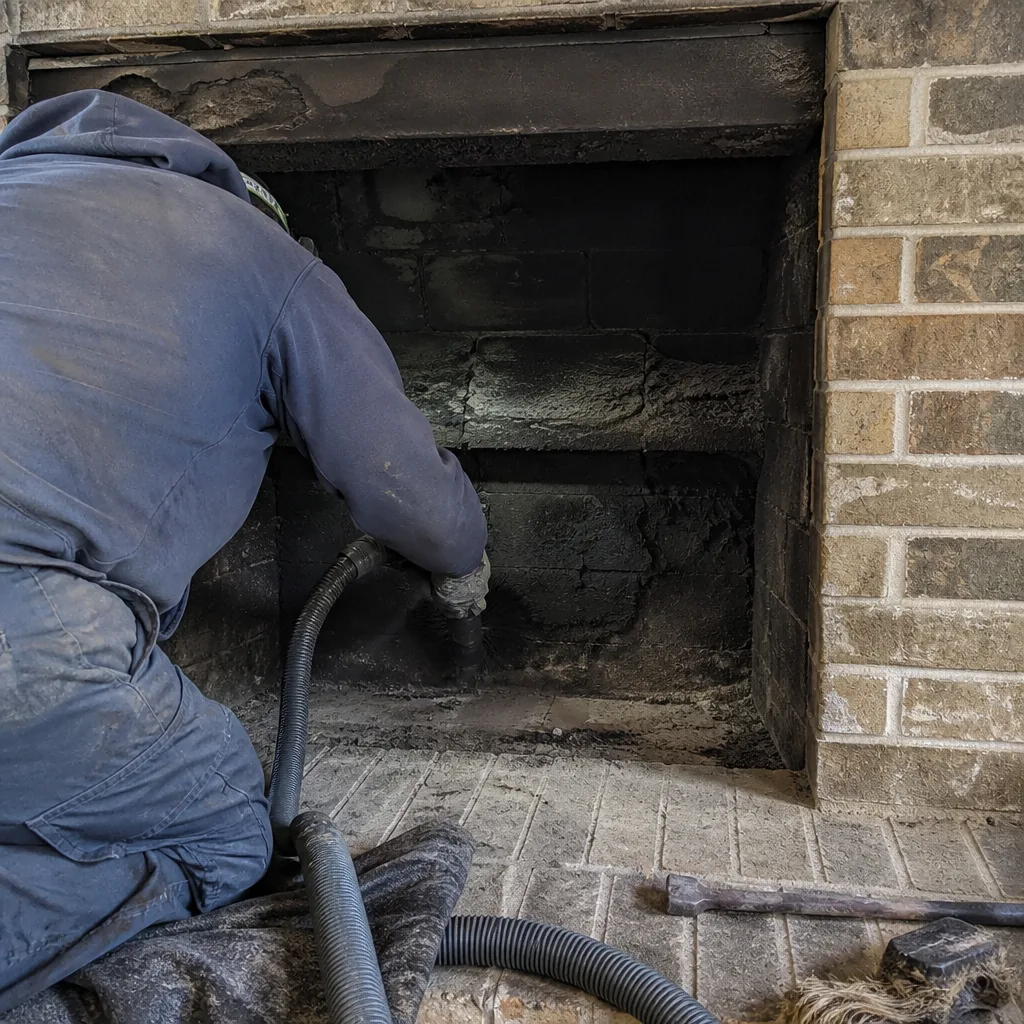
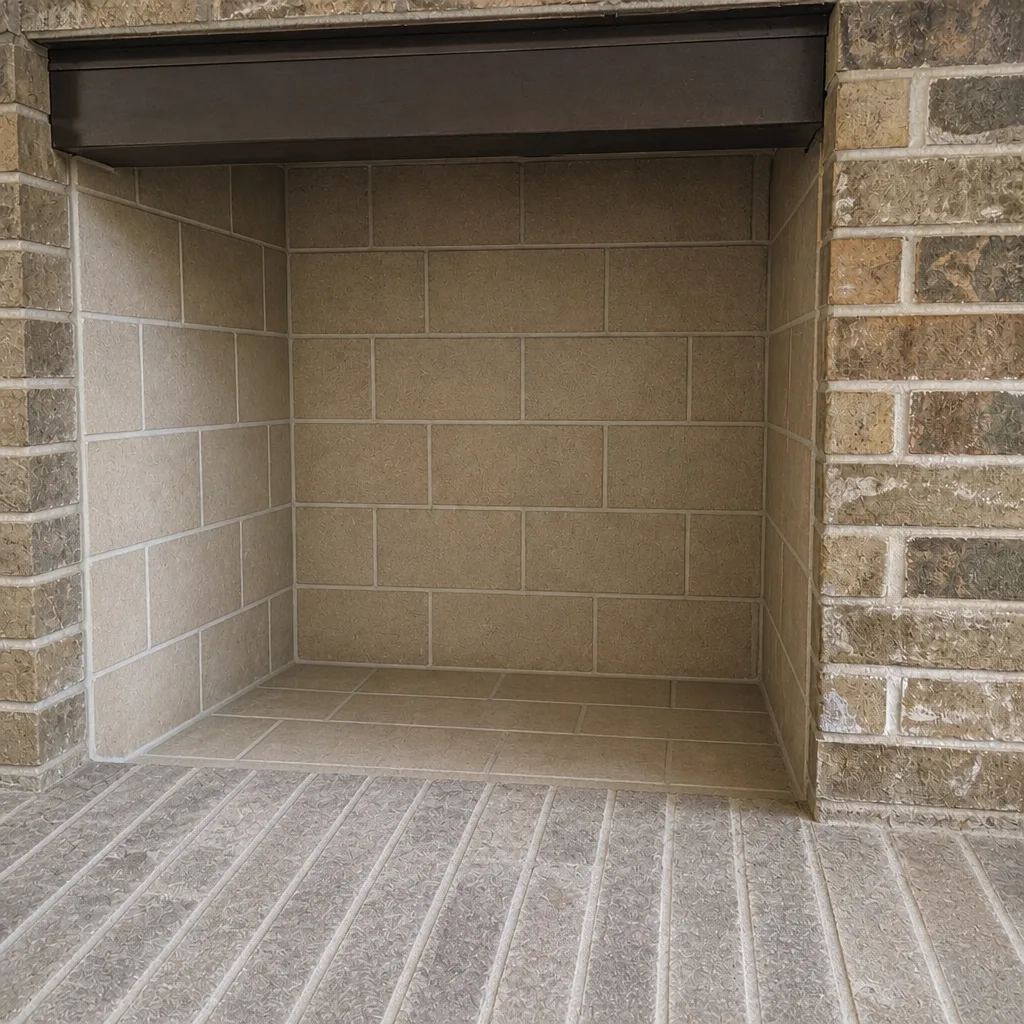
- Before-and-after visuals. Photos of the flue help you verify the cleaning was real.
- Findings on the cap and crown. Gaps, cracks, or missing screen should be called out.
- Recommendations, clearly prioritized. What needs attention now, and what can safely wait.
The last item is the one homeowners care about most, and for good reason. It’s easy to be told you need thousands of dollars of liner or masonry work with no way to verify it. Our answer to that is simple: nothing gets recommended that you can’t see for yourself on camera, and when work can safely wait, we’ll say so. Documentation is what keeps a cleaning honest.
Keep that report. In San Angelo’s climate, comparing this year’s flue photos to last year’s is the best early warning system you have for temperature-driven cracks and mortar wear. If a prior report flagged a concern, that’s the first thing to raise with your next sweep. If you’re scheduling a first visit, you can reach out through San Angelo and ask what the report will include.
The Vent Most Homeowners Forget: Your Clothes Dryer
Chimney cleaning is the headline, but there’s a second vent in most homes that carries a real fire risk and rarely gets attention. Lint builds up inside dryer vent lines, and that lint is highly flammable. The National Fire Protection Association links clothes dryers to a large share of home fires each year, and the common thread in those is trapped lint. Chimney-only specialists often skip this entirely, which is why we treat dryer vent cleaning as a service in its own right rather than an afterthought.
A dryer vent cleaning clears the lint, checks the line for crushed sections or improper routing, and clears the exterior termination so airflow is actually moving. You’ll notice a difference: clothes that took two cycles start finishing in one, the dryer runs cooler, and the whole system is less of a hazard. Lint buildup is especially worth checking in West Texas homes where dust adds to what already collects inside the line.
Combining the two makes practical sense. One call covers your chimney and your dryer vent, you’re not coordinating separate contractors, and both of the leading hidden fire hazards in a home get addressed on the same visit. If it’s been a while since either was checked, a single appointment can handle both.
How Often Should a San Angelo Chimney Be Cleaned?
Standard guidance is an annual inspection for any chimney in use, with cleaning as the inspection shows it’s needed. For San Angelo homes burning mesquite regularly, that annual rhythm matters more than it would with a milder firewood, because the creosote load builds faster. A good working rule is: sweep based on how much you burn, and inspect every year no matter what.
Think about your usage:
- Heavy use (a fire most cold nights): clean at least once a year, and have the flue checked sooner if you switch wood or notice a change.
- Moderate use (weekend fires through the season): annual cleaning plus inspection.
- Light use (a handful of fires a year): still get an annual inspection, and clean when it’s indicated.
- Gas-only appliances: less creosote, but still inspect annually for blockages, corrosion, and venting problems.
Treat the cleaning interval as a general rule, and let the annual inspection decide when to act on it, rather than the other way around. For more background on how our core service works, see chimney sweep San Angelo.
Common Mistakes to Avoid
- Stretching your cleaning interval to match national advice. Guides built around oak and pine underestimate what mesquite does to a flue. Shorten the interval for heavy mesquite burning.
- Treating a cleaning as enough without an inspection. Brushing clears creosote but can’t show you a hairline crack from the local temperature swings. Ask for the camera inspection.
- Burning unseasoned wood. Wet wood smolders and lays down more creosote, which is the opposite of what a mesquite-heavy fireplace needs.
- Skipping a Level 2 after buying the home. A new-to-you San Angelo house should get a camera inspection before the first fire, since you don’t know its history.
- Accepting repairs with no evidence. Any recommended liner or masonry work should come with photos and video you can see. If it doesn’t, ask.
- Overlooking the dryer vent. Cleaning the chimney and ignoring the lint-choked dryer line leaves a known fire hazard in place.
- Putting off a sweep after a small chimney fire. Even a fire you think burned itself out can damage a flue. Get it inspected.
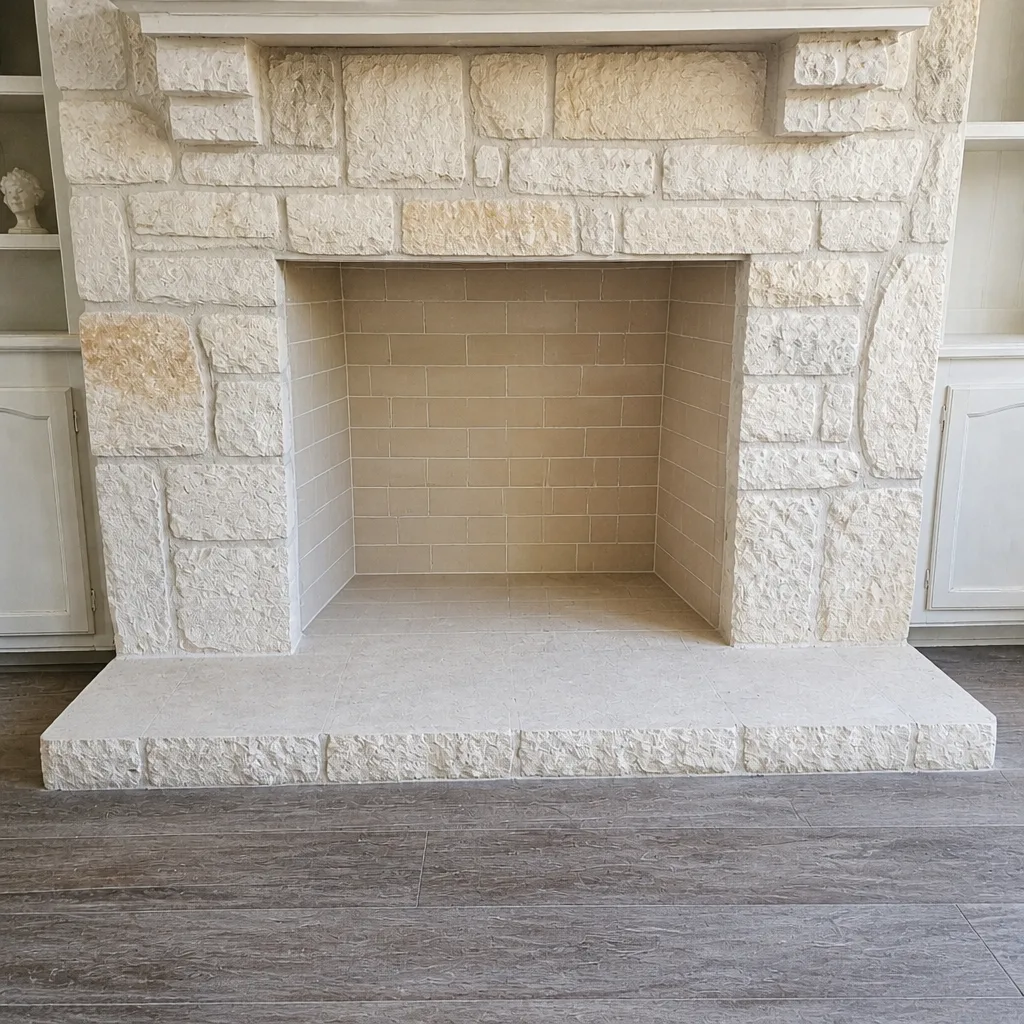
See the difference
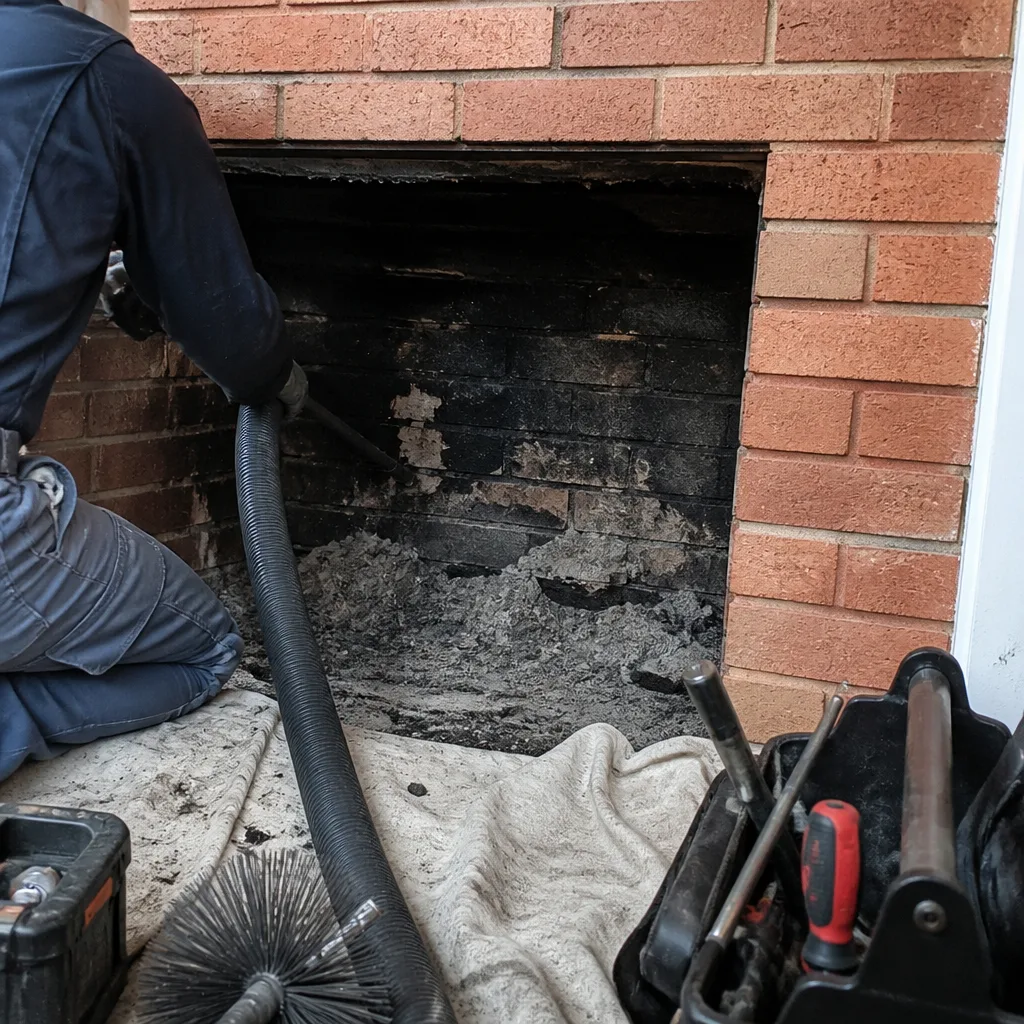 Before
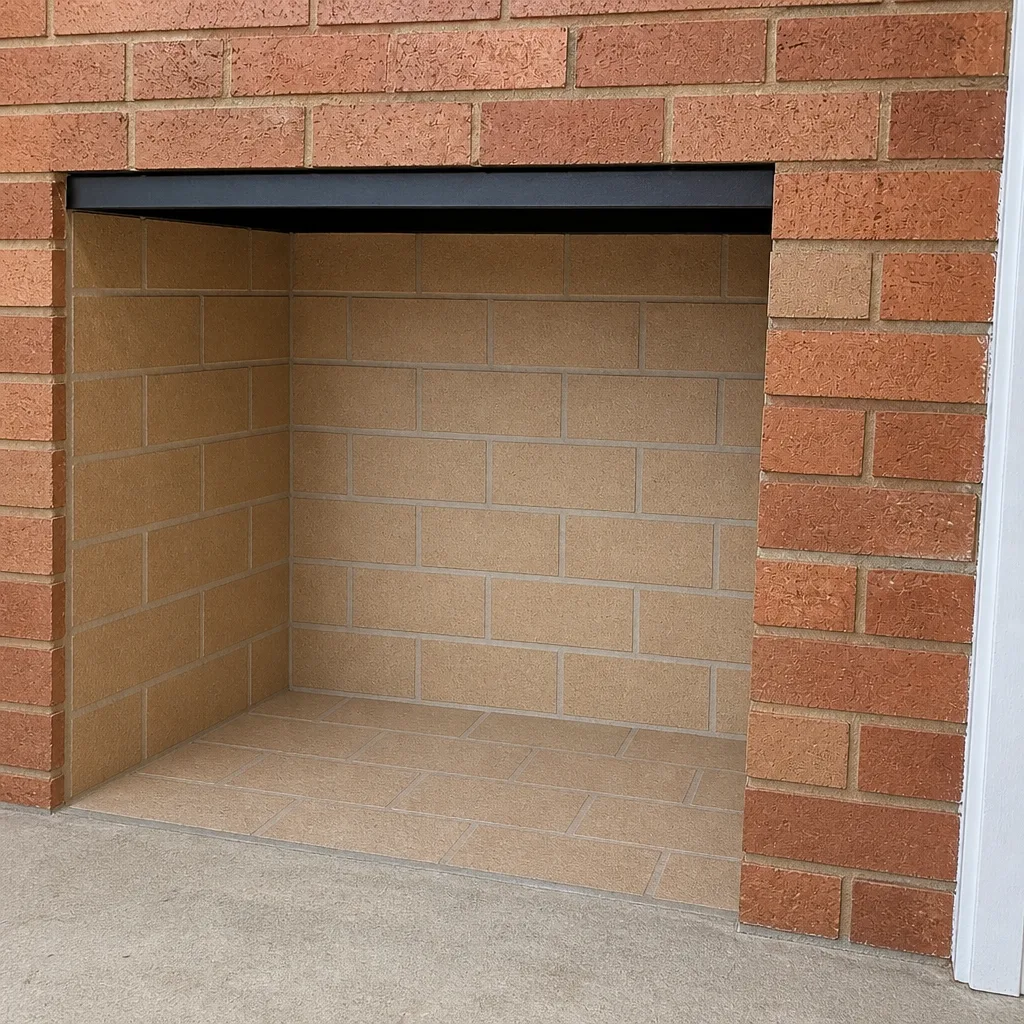 After
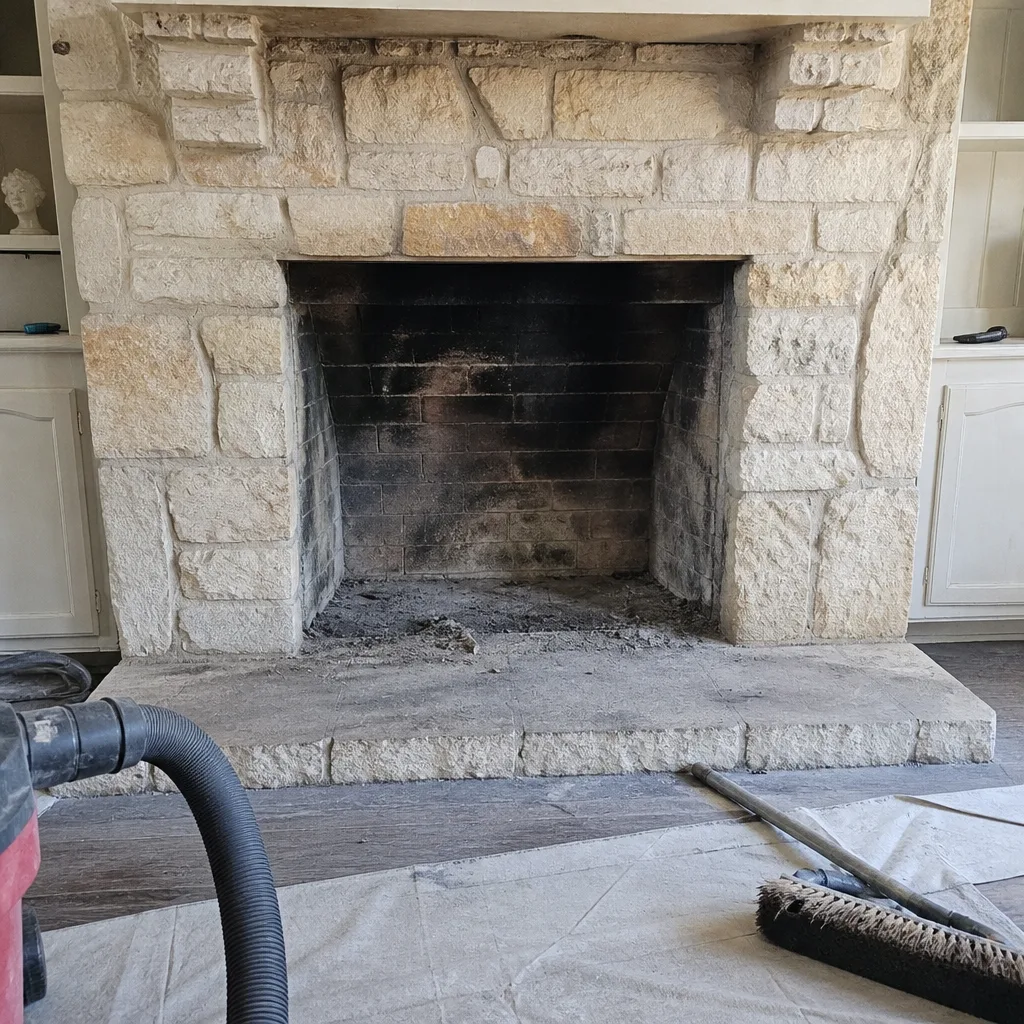 Before
 After
 Before
 After
When to Call a Professional
Some situations can’t wait for your normal annual visit. Call a professional if you’ve had any chimney fire, no matter how minor it seemed. Call if smoke spills into the room when you start a fire, if you smell a strong creosote or smoky odor when the fireplace is idle, or if you see water stains, cracked mortar, or loose pieces around the chimney. A carbon monoxide alarm that triggers near a running appliance is a stop-and-call situation. And if you’ve just bought a home in San Angelo, book a Level 2 inspection before the first burn. Chimney Sweep San Angelo offers free estimates in San Angelo. Call (833) 946-3155. We answer 24/7. Fast dispatch from 7am to 7pm, Sunday through Friday. Our technicians have up to 11 years of experience, and we come prepared with professional-grade materials so a cleaning visit can also handle the repair it turns up.
Frequently Asked Questions
Chimney cleaning in San Angelo is priced per job, based on what your system actually needs: the inspection level, how much creosote is present, and whether any repair is involved. The written estimate sets the final price, and the estimate itself is free. Call (833) 946-3155 for an exact quote.
Plan on an annual inspection, and clean based on how much you burn, with mesquite-heavy use often calling for a cleaning every year. Because mesquite lays down creosote faster than the firewood in most national guides, don’t stretch the interval. Call (833) 946-3155 to get on a schedule.
Not always. A camera inspection decides it: if the flue interior is sound, no liner is needed, and in many cases HeatShield resurfacing can repair deteriorating mortar joints without a full reline. If a reline is warranted, we install DuraFlex flexible liner systems. Nothing gets recommended that you can’t see on camera, and when work can safely wait, we’ll tell you. Call (833) 946-3155 for an exact quote.
Creosote keeps building, and the stages get harder to remove until you’re into glazed third-degree creosote that needs rotary tools. Skipping also means cracks and mortar problems from the temperature swings go unnoticed, which raises the risk of a chimney fire or carbon monoxide getting into the home. Call (833) 946-3155 before the next burning season.
A sweep is the cleaning; an inspection is the assessment, and the two are done together in a thorough visit. The inspection reveals the condition of your flue, cap, and mortar, while the sweep removes the creosote. A company that offers only one isn’t covering the whole job. Call (833) 946-3155 for an exact quote.
Yes. Dryer vent cleaning is a dedicated service alongside chimney work, because lint buildup is a leading hidden fire hazard that chimney-only specialists often skip. One call covers both your chimney and your dryer vent. Call (833) 946-3155 for a free estimate.
The Bottom Line
Chimney cleaning in San Angelo isn’t a generic service, and it shouldn’t be treated like one. Mesquite firewood builds creosote faster than the fuels most guides assume, and the region’s temperature swings put steady stress on mortar and liners. That combination means a proper visit is a cleaning and an inspection together: the right inspection level, rotary tools for hard deposits, a camera run of your flue, professional-grade repair materials on hand like HeatShield and DuraFlex, and a written report you can actually read. Skip the annual rhythm and the risks don’t wait politely. Get it handled before the next burning season, and don’t forget the dryer vent while you’re at it.
Ready to schedule? Call Chimney Sweep San Angelo at (833) 946-3155 for a free estimate. We answer 24/7. Fast dispatch from 7am to 7pm, Sunday through Friday. Estimates are free, and the written estimate sets the final price.
Written by the team at Chimney Sweep San Angelo.