
Last updated November 15, 2026
 Sweep & inspection
 Caps & crowns
 Flue relining
 Masonry repair
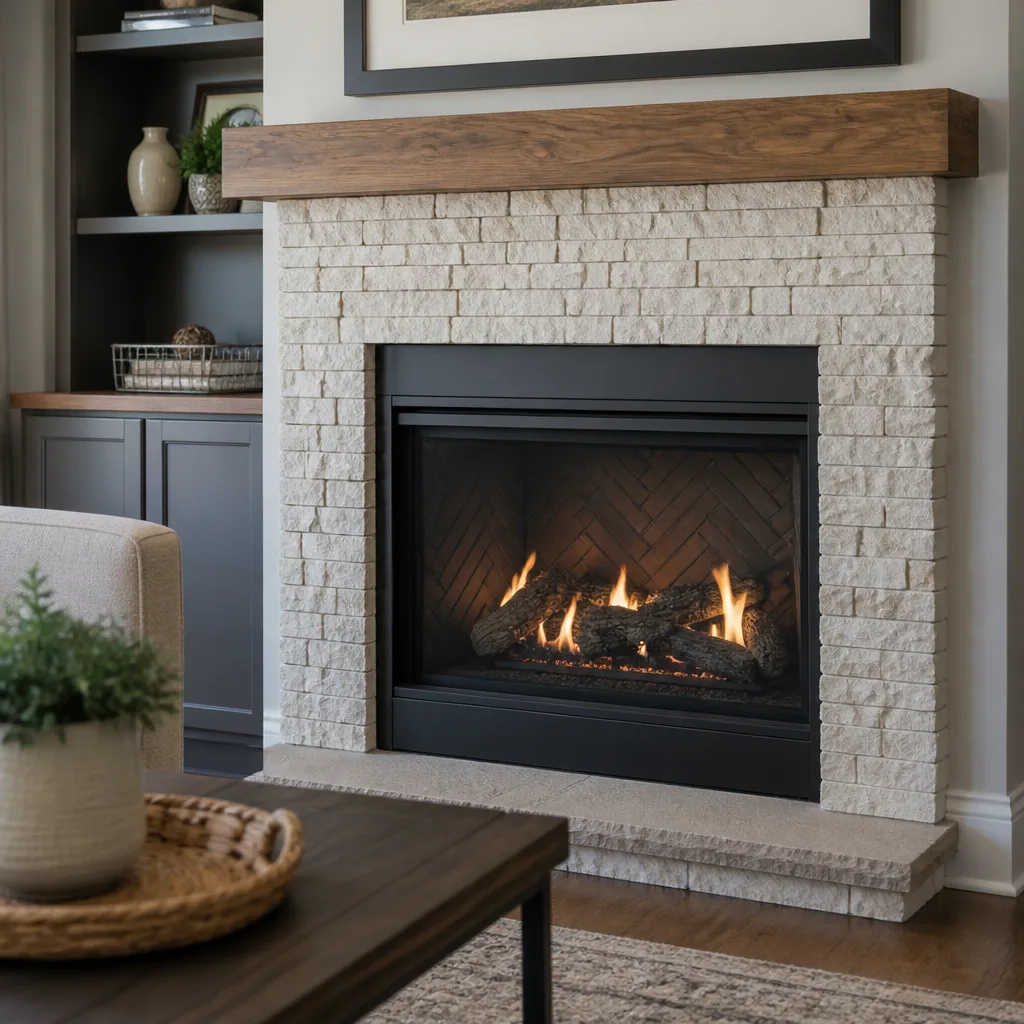 Gas fireplace service
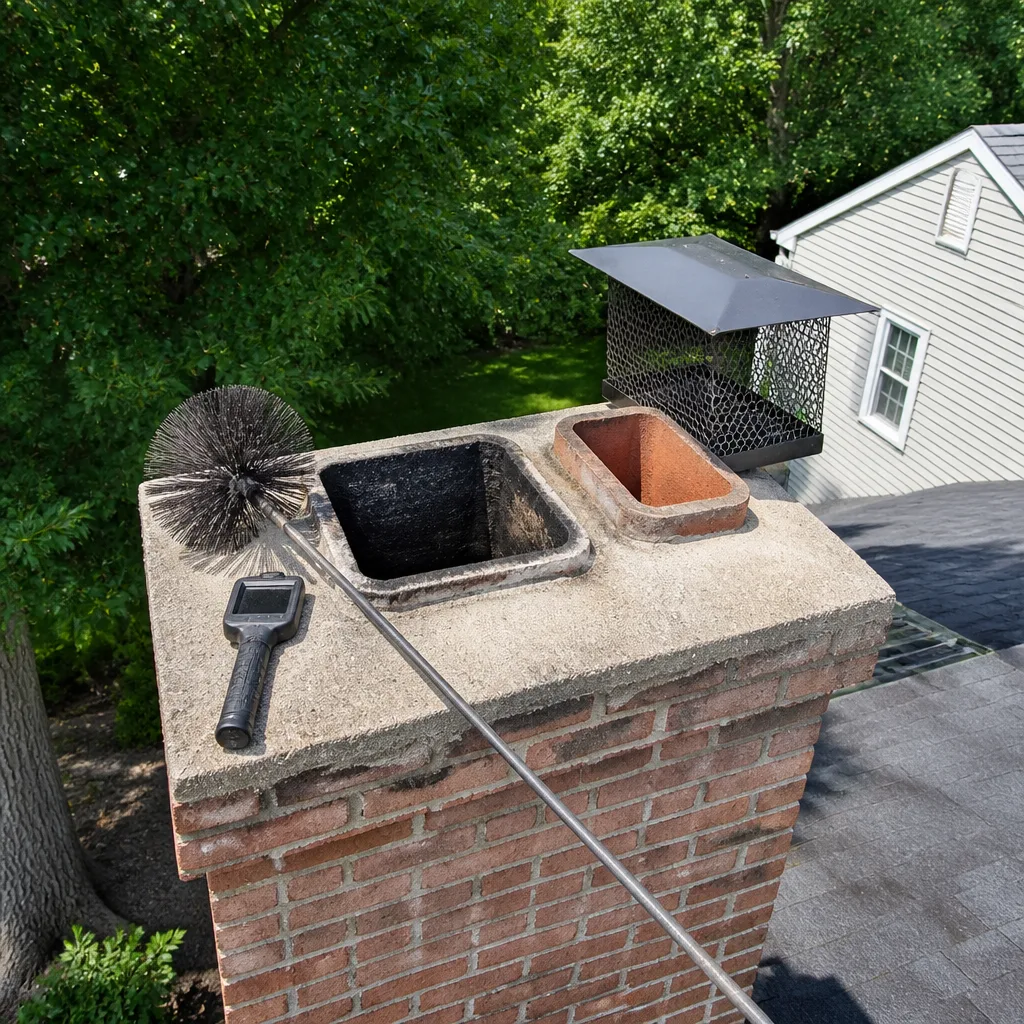
Level 1 sweep and inspection to the NFPA 211 annual standard - flue, crown, cap, and flashing checked and photographed
Chimney sweep logs do not sweep chimneys. They loosen some creosote - which then falls where a brush and vacuum still have to collect it.
Choosing the Right Chimney Cleaning Brand: A Buyer’s Guide for San Angelo
Two quotes land on your kitchen table. Both list “stainless steel liner” and a price that’s within a few hundred dollars of each other. One is a DuraFlex system with a manufacturer’s warranty behind it. The other is an unbranded tube from a contractor’s supply house that may look identical in a photograph but carries no traceable pedigree. That gap rarely shows up on the first invoice. It shows up years later, when you try to file a claim or source a replacement part. This guide walks through what the recognized brand names actually mean, what they’re engineered to do, and how San Angelo homeowners can read a material list and know what they’re buying.
Quick Answer
Choosing the right chimney cleaning brand in San Angelo means looking past the price tag and at three things: the liner or resurfacing system spec’d in the written estimate (DuraFlex, HeatShield, and similar professional-grade names), the certification rating the product is engineered to meet, and whether the product carries a manufacturer warranty you can trace. A reputable sweep will put those brand names in writing before work starts. If a quote lists only “generic stainless” or a product name you can’t find documented, that’s your signal to ask questions.
Styles & brands we work with
- Sweep & inspection
- Caps & crowns
- Flue relining
- Masonry repair
- Gas fireplace service
Table of Contents
- Why Chimney Brands Matter More Than You Think
- What DuraFlex Flexible Liners Are Engineered For
- HeatShield: Resurfacing Without Full Relining
- How to Read a Contractor’s Material List
- Copperfield, Gelco, Olympia Chimney and Famco: What Each Brand Covers
- Why Industry-Recognized Brands Matter to Your Insurer
- Local Climate and Aging Housing in San Angelo
- One Call Covers Chimney and Dryer Vent
Why Chimney Brands Matter More Than You Think
The chimney industry spans a wide range of product quality. At one end are professional-grade systems engineered for specific flue conditions, tested to industry standards, and backed by a manufacturer warranty. At the other end are generics from contractor-supply distributors that may pass a visual inspection but carry no documentation of what they’re rated for. Most San Angelo homeowners have never been shown the difference, because the names on the boxes rarely make it into the quote.
The buyer’s guide angle matters because the decision is a one-time one. A properly installed liner runs for the life of the chimney. Buying the right product the first time is a decision you make once, and it affects the next two decades of how the fireplace performs and how easy it is to maintain.
What brand specification actually tells you
When a manufacturer publishes a product specification for a liner system, that document tells you three things: what temperature the flue gas it’s rated for, what fuel types it’s approved for (wood, gas, oil), and what standard the system was tested to. Certified chimney institutes use those specs when they evaluate installations. An unbranded generic has none of that on paper. You can’t confirm what it was tested to because the manufacturer doesn’t publish it under a name you can look up.
In our experience, the homeowners who end up replacing a liner that’s less than a decade old are almost always the ones who bought the unlabeled version. The failure itself isn’t sudden. It’s the slow degradation of an under-spec’d system that was installed to hit a price point, not a standard.
What DuraFlex Flexible Liners Are Engineered For
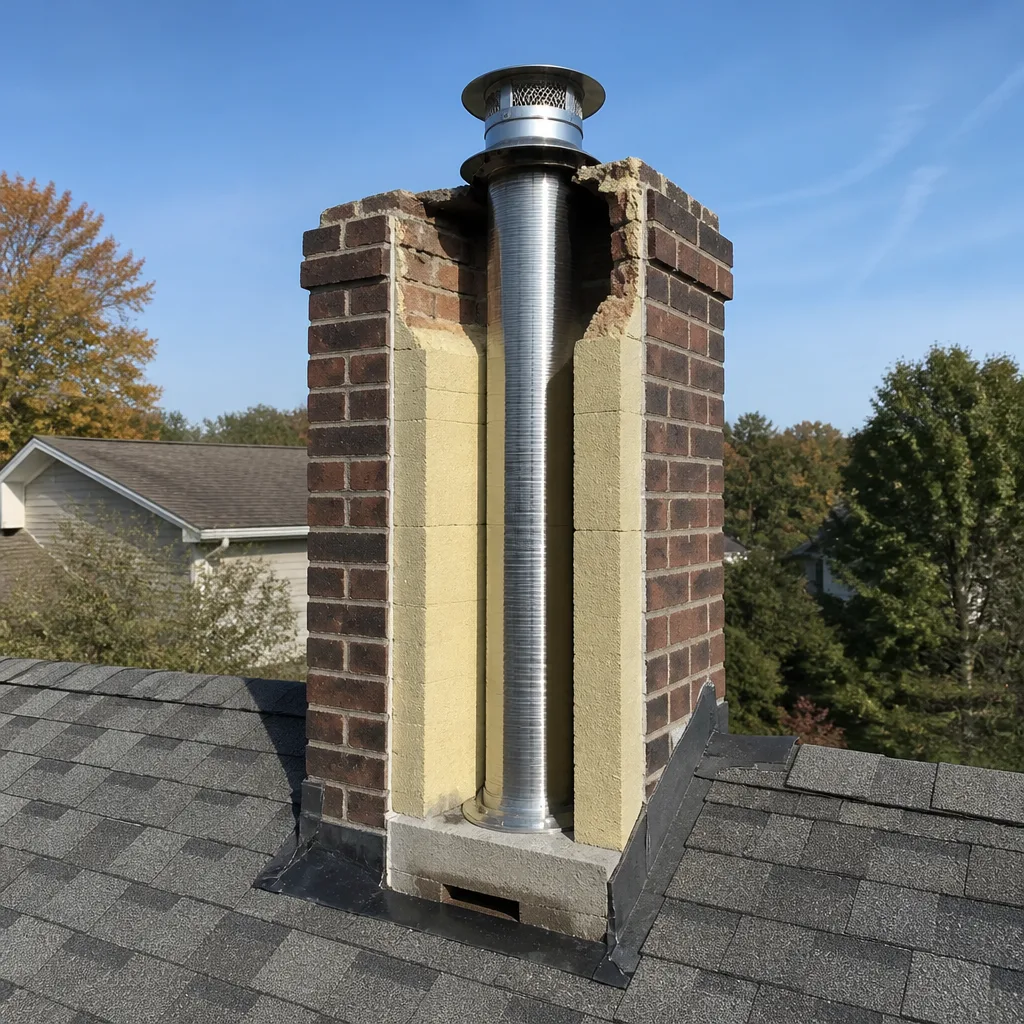
DuraFlex flexible liner systems are the industry standard for a specific reason: they solve a geometry problem that rigid liners can’t. A rigid stainless pipe works beautifully in a straight, code-built, modern flue. Older San Angelo homes and anything with a masonry chimney that has an offset, a jog, or a non-standard flue path are a different story. A rigid pipe simply won’t go around the corner. DuraFlex does.
Why flexibility matters in older homes
San Angelo has a mix of housing stock, and many of its older homes were built with masonry chimneys that were never intended to take a modern liner. Flue paths can shift by a few inches over the course of a chimney’s rise. They can carry an offset to route around a structural beam or a neighboring flue. When we scope a relining job here, the offsets are often the deciding factor between a rigid liner and a flexible one. On a flue that needs flexibility, a rigid liner either won’t fit or requires demolition of masonry to install cleanly – which is why flexible systems became the standard for retrofit work in the first place.
DuraFlex is a brand we spec because it’s the same brand specified by professional chimney sweeps across the country. It’s engineered for the flue conditions we see here: wood-burning fireplaces, gas inserts, and the flues serving older oil appliances on some properties. The manufacturer’s documentation travels with the product, which matters when it comes to warranty and insurance. You can read more about how we approach a chimney sweep on a flue that might need work.
DuraFlex is not the same as a generic stainless tube
When a quote lists “stainless liner” with no brand, ask which manufacturer. A DuraFlex installation should name the system, the alloy the flue requires, and the warranty terms. A generic stainless tube should prompt more questions – starting with what standard it was tested to. The two products can look identical on a quote line. What they carry behind them is not the same.
HeatShield: Resurfacing Without Full Relining
HeatShield is a chimney flue resurfacing compound, not a cosmetic patch. It’s engineered to restore a deteriorated terra cotta liner back to a smooth, sealed interior that meets UL 1777 – the standard governing chimney liners – without the cost and disruption of a full reline. That distinction matters more than most homeowners realize.
What HeatShield actually does
A terra cotta flue liner over time develops spalling, crumbling mortar joints, and rough interior surfaces. Those rough surfaces catch creosote and make cleaning harder. Crumbling mortar allows smoke and flue gases to escape into the surrounding masonry. A basic chimney sweep can’t fix any of that with a brush. What HeatShield does is apply a resurfacing compound to the interior of the flue, restoring a smooth, continuous surface that seals the joints and returns the liner to a condition that meets UL 1777. The work happens from inside the chimney – no demolition of the surrounding masonry.
When resurfacing beats full relining
HeatShield is cost-conscious compared to a full liner replacement, and for a flue that has damaged joints but an intact terra cotta shell, it’s often the right repair. When a flue is structurally failed – cracked through the shell, spalled to the point where the liner has lost integrity – HeatShield won’t help, and a DuraFlex reline is the honest recommendation. A sweep who carries both products has no incentive to push one over the other. A sweep who only stocks one product does.
Telling a resurface from a “patch”
If a contractor offers a “patch” or a “joint repair” without naming the product, ask what compound they’re using. HeatShield is the recognized system for this category of repair. Anything else should be described in writing before work begins.
How to Read a Contractor’s Material List
A written estimate should tell you exactly what’s going into your chimney. When brand names are absent or generic, the estimate is essentially a promise with no way to verify it. Here’s what to look for before you sign.
- Named liner system. The estimate should list the brand (DuraFlex, for example) and the alloy. “Stainless steel” alone is not a specification.
- Resurfacing compound if applicable. If HeatShield is being used, it should be named. If a generic “refractory cement” is listed, ask why.
- Cap or cover brand. Caps from a recognized maker like Copperfield, Gelco, Olympia Chimney, or Famco fit a specific chimney profile. A generic cap is a fit problem waiting to happen.
- Warranty terms. The manufacturer’s warranty should be referenced. If there’s no warranty documentation, there’s no product warranty.
- Certification of installation. A reputable installer documents the installation. That documentation is what travels with the house and matters to your insurer.
Substitutions you should question
The most common issue we see in a San Angelo estimate isn’t an overt bait-and-switch. It’s a line item that says “liner” or “flue system” with no brand mentioned. That’s not necessarily dishonest – some contractors just write vague quotes. But it also means you don’t know what’s going into your chimney. Any substitution of a spec’d brand for a generic should be disclosed in writing. If it isn’t, ask why.
Copperfield, Gelco, Olympia Chimney and Famco: What Each Brand Covers
The brands a contractor carries tell you something about which parts of the job they can actually finish. A sweep who carries one liner brand but no cap supplier is going to be sourcing caps from wherever they can find them – which often means a generic. A sweep who carries a portfolio covers the full assembly.
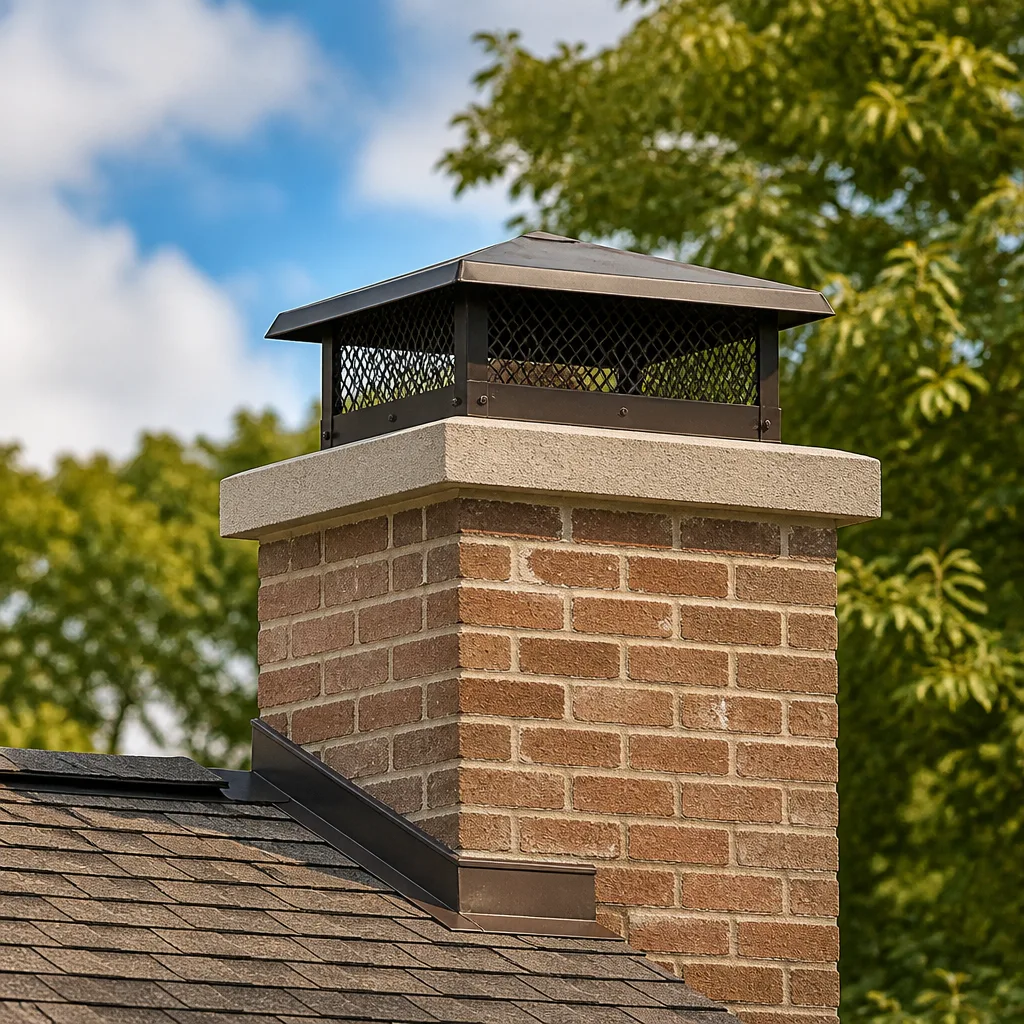
- Copperfield – chimney caps, shrouds, and chase covers in copper and stainless. These are the products that protect the flue termination from rain, animals, and downdraft, and are often custom-fitted to the chimney crown.
- Gelco – chimney caps and top-sealing dampers, engineered for a proper fit on a range of masonry and prefab profiles.
- Olympia Chimney – caps, adapters, and venting components. A widely stocked line that keeps repair parts available years after the original install.
- Famco – caps and venting products with a long catalog, useful when a chimney has a non-standard crown.
Why sourcing matters for future repairs
The part you install today is the part you’ll try to replace in ten years. An established brand with a stocked supply chain means you can source a matching replacement. A generic from an unknown distributor may be gone by then, and the cap won’t fit the replacement you can actually buy. On a chimney rehabilitation job, matching the cap to the flue termination is the last step and often the one that gets skipped when the supply chain doesn’t cooperate.
Our approach is to keep a portfolio of these brands on hand specifically so we can fit the right cap to the right chimney profile – not force the profile to accept whatever generic the truck has. If you’re curious how that portfolio plays into the full Chimney Sweep San Angelo service offering, the broader picture is worth a look.
Why Industry-Recognized Brands Matter to Your Insurer
Here’s the part most homeowners learn only after they need it. In a claims event – a chimney fire, a carbon monoxide incident traced to a failed liner – the insurance adjuster’s first question is what was installed and by whom. A documented DuraFlex or HeatShield installation with a manufacturer’s warranty is fundamentally different from an unlabeled generic with no paper trail. The difference isn’t about the cost of the product. It’s about whether the installation can be shown to meet a recognized standard.
What documentation should look like
A proper installation produces a paper trail: the product spec, the installer’s certification that the work meets UL 1777 for lined flues, and a warranty certificate. That file is what supports a claim. When the chimney has no documentation and the product is a generic, the adjuster has nothing to work from. That position is difficult to argue from, and it’s a position the homeowner never expected to be in.
Safety is the primary reason to specify branded products, and the insurance angle is the secondary one. The two align: products that meet recognized standards protect the home and protect the claim. It’s not about naming a brand for the sake of branding. It’s about being able to prove what’s inside the chimney when it matters most.
Local Climate and Aging Housing in San Angelo
San Angelo’s climate has specific effects on chimney materials. Winters are mild, which means the chimney isn’t subjected to the freeze-and-thaw stress of colder regions. That’s good news for longevity but it also means deferred maintenance is common – a chimney that “survived last year just fine” gets pushed down the list. Over years, the combination of dry hot summers, occasional driving rains, and normal wood-smoke creosote load weakens joints and mortar faster than most homeowners expect. The dry season especially tends to pull moisture out of masonry, which makes small cracks more visible and slightly easier to catch on an inspection.
Housing stock and flue condition
San Angelo has a wide age range in its housing stock. Older homes with original terra cotta flues frequently show joint deterioration and spalling – which is where HeatShield fits. Newer homes with prefab inserts more often need a flexible liner system when the original liner has failed or the appliance has been upgraded. And lake-adjacent properties – the area around Lake Nasworthy, for example – tend to see more moisture-driven wear on masonry crowns and caps.
What this means for a buyer’s guide is that no single product fits every San Angelo chimney. The right answer depends on the flue’s actual condition, which is why a camera inspection comes first and the material decision comes second.
One Call Covers Chimney and Dryer Vent
Here’s something most chimney-only specialists skip: your dryer vent is a fire hazard too. The NFPA links roughly 2,900 home fires a year to dryer vents, driven by lint accumulation in the exhaust path. A chimney specialist who carries the full venting-system coverage can sweep the flue, inspect the dryer vent, and recommend the right repairs under one call – no coordinating two contractors, no gap between the two jobs.
This matters in San Angelo homes where the dryer is on an exterior wall with a long run to the termination. Long runs accumulate lint faster. If a sweep is already there for the chimney, the dryer vent cleaning can be added without a second visit. It’s the difference between a chimney service and a venting-system service. If you’d like a sense of how we think about the local housing mix, the San Angelo page covers the area context, and the material-list discussion above is where the brand specification comes into play.
Common Mistakes to Avoid
- Accepting a “stainless liner” quote with no brand. Ask which manufacturer, which alloy, and what the warranty terms are. The answer is a legitimate part of the quote.
- Assuming a lower price means the same product. The gap between a professional-grade system and a generic is often a few hundred dollars, and the difference in lifespan and documentation is much larger.
- Skipping the camera inspection. The correct product is chosen from what the flue actually looks like inside, not from a visual check at the firebox.
- Hiring a sweep who can only sweep. If the inspection finds a failed flue or a deteriorating joint, a brush-only contractor can’t fix it. The consumer ends up coordinating a second contractor and hoping the handoff goes cleanly.
- Ignoring the dryer vent. Chimney maintenance and dryer vent cleaning are both fire-risk reductions. Tackling one without the other leaves a known hazard in the house.
- Letting a generic cap get installed on a chimney that needs a fitted one. Copperfield, Gelco, Olympia Chimney, and Famco all publish fit data. A generic cap is a “close enough” answer to a problem that needs a proper fit.
- Waiting to evaluate until there’s a problem. A resurfacing decision made before a flue fails is cheaper and simpler than a reline decision made after.
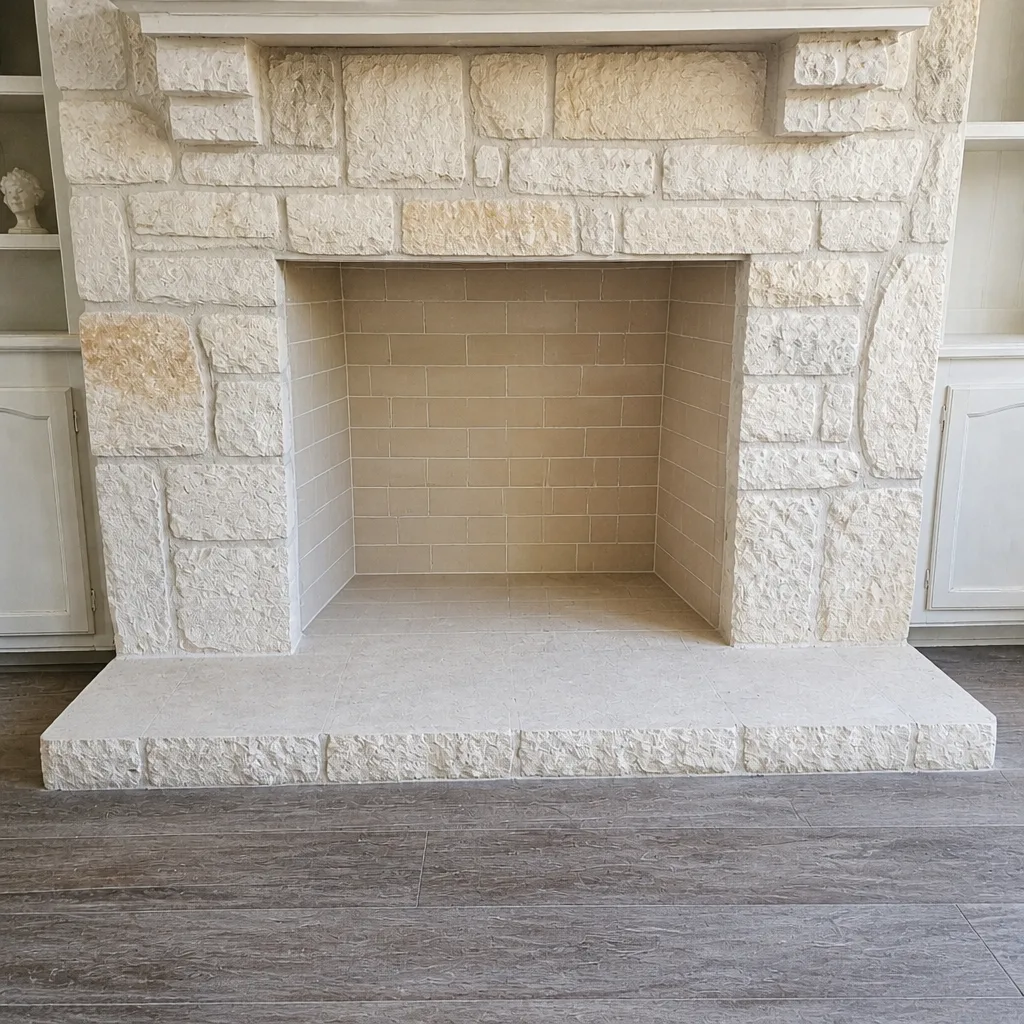
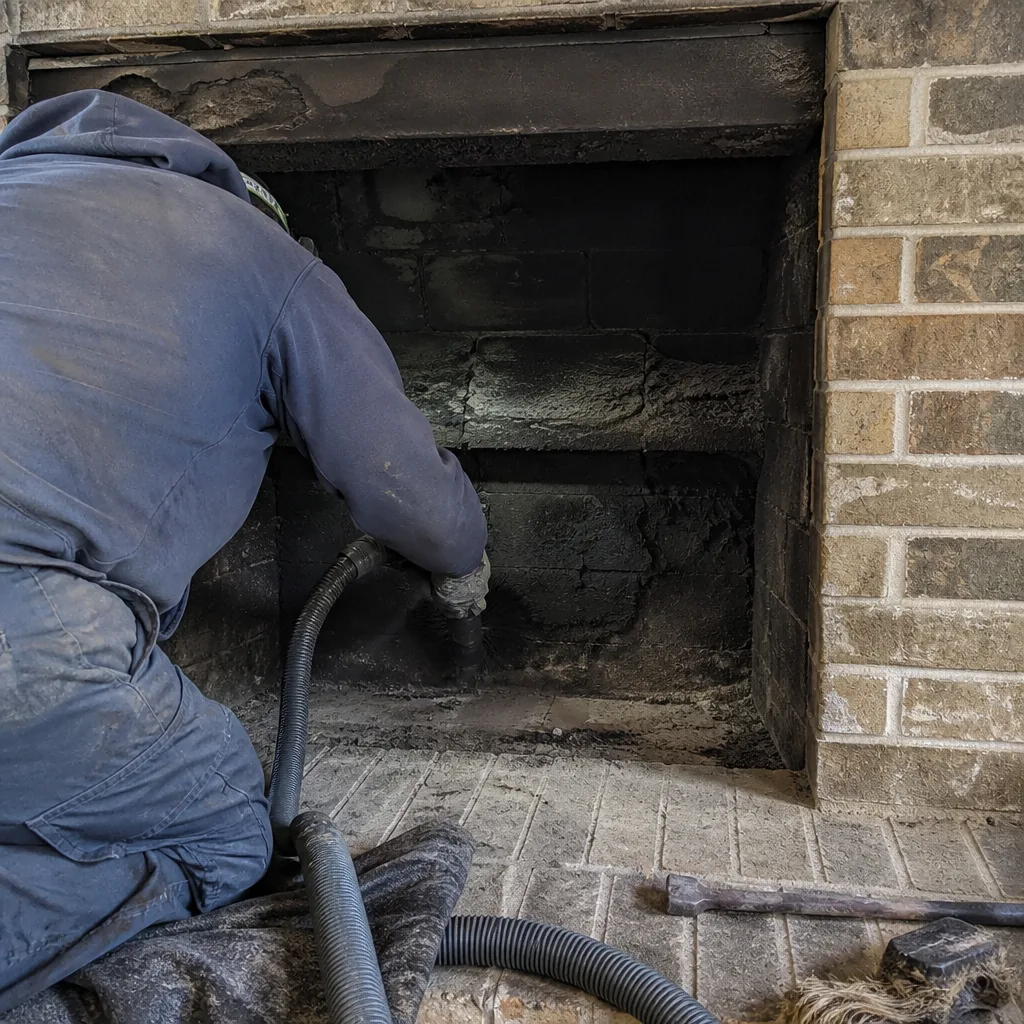
See the difference
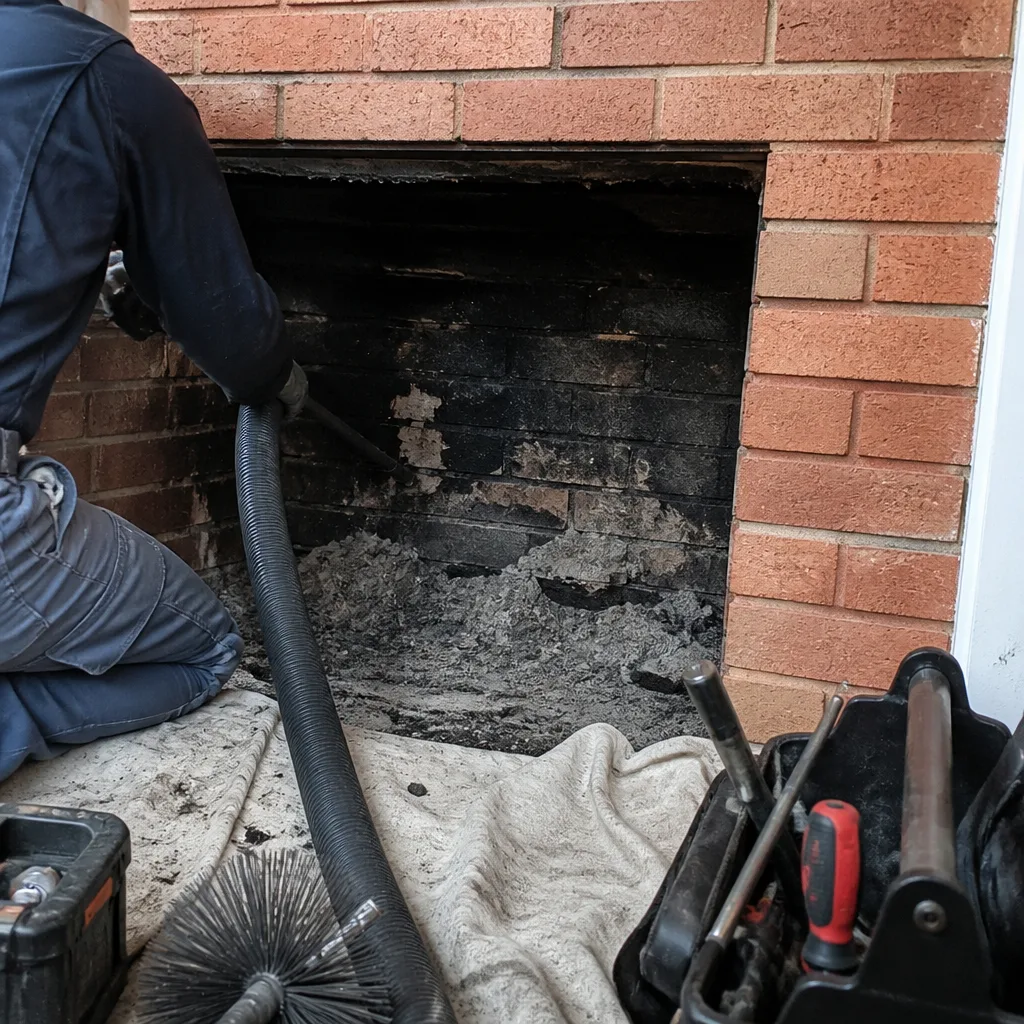 Before
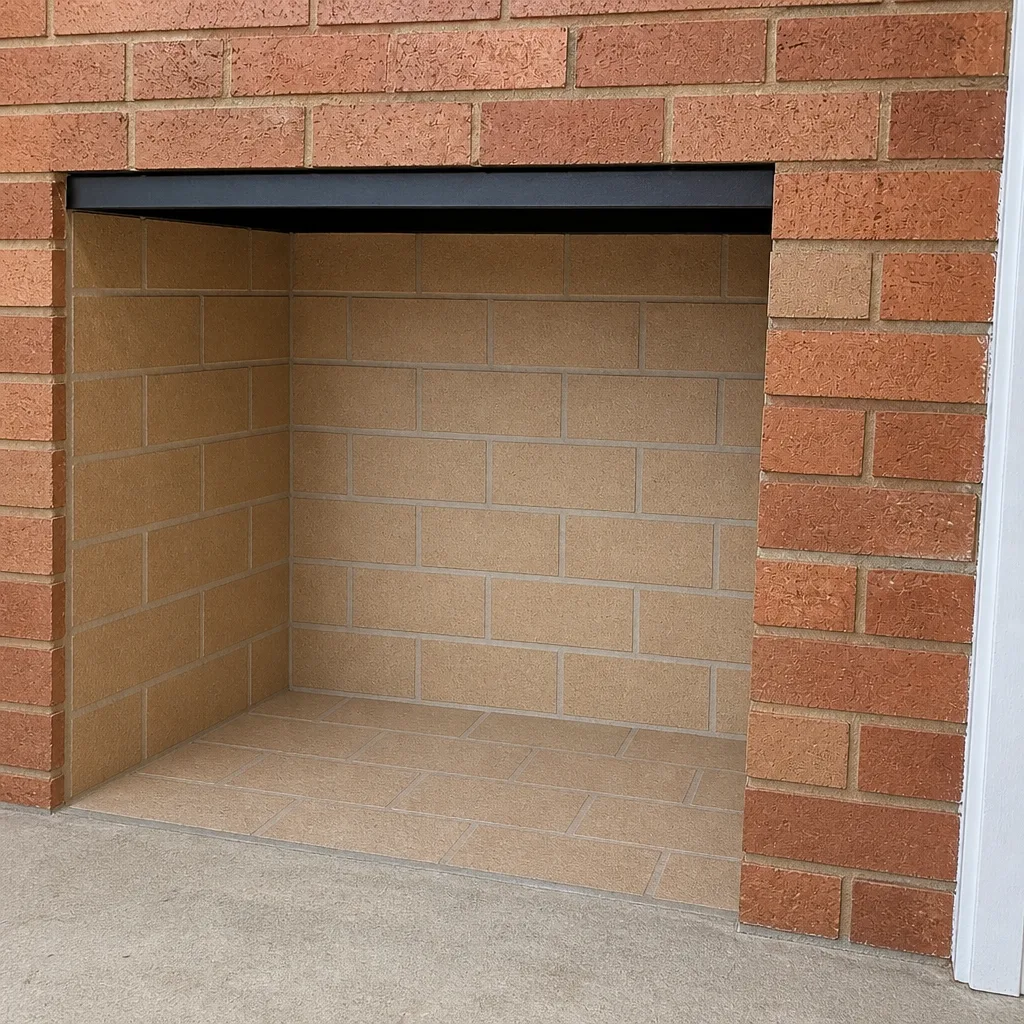 After
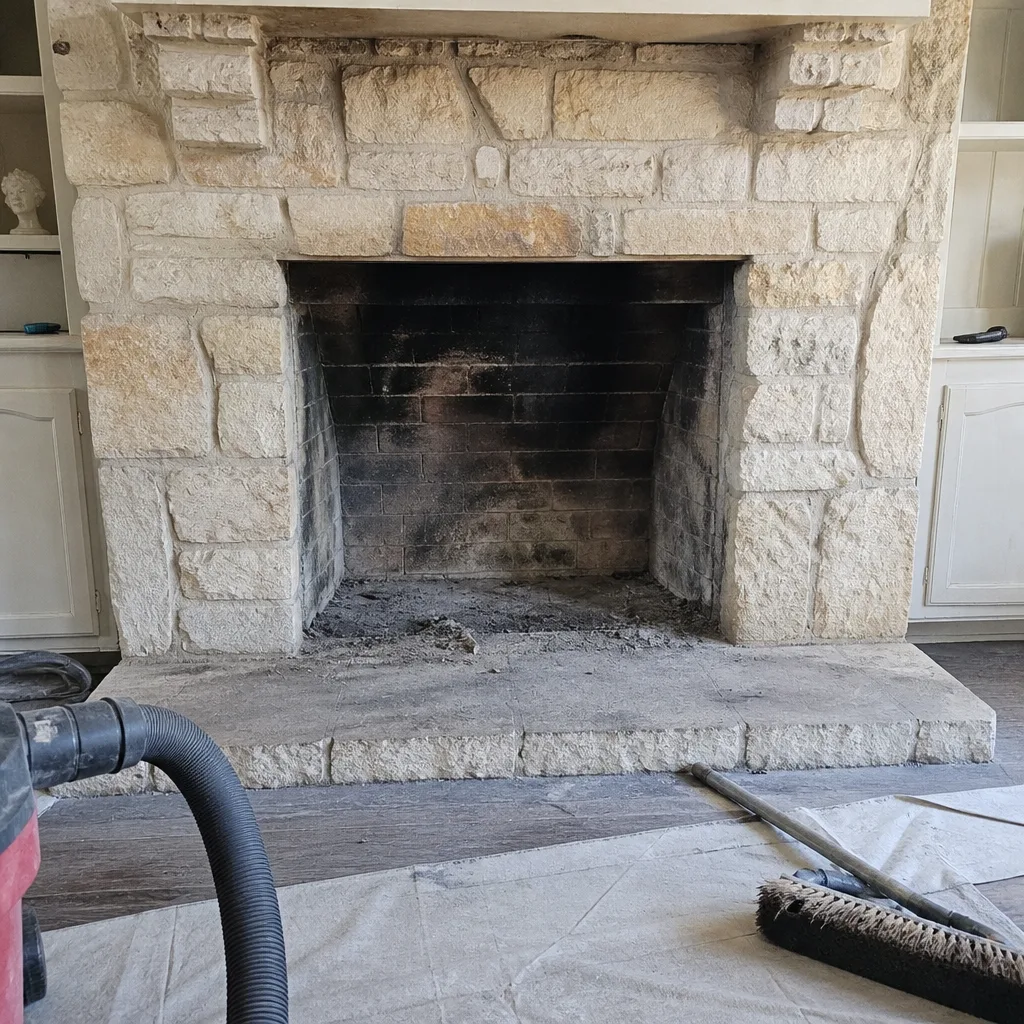 Before
 After
 Before
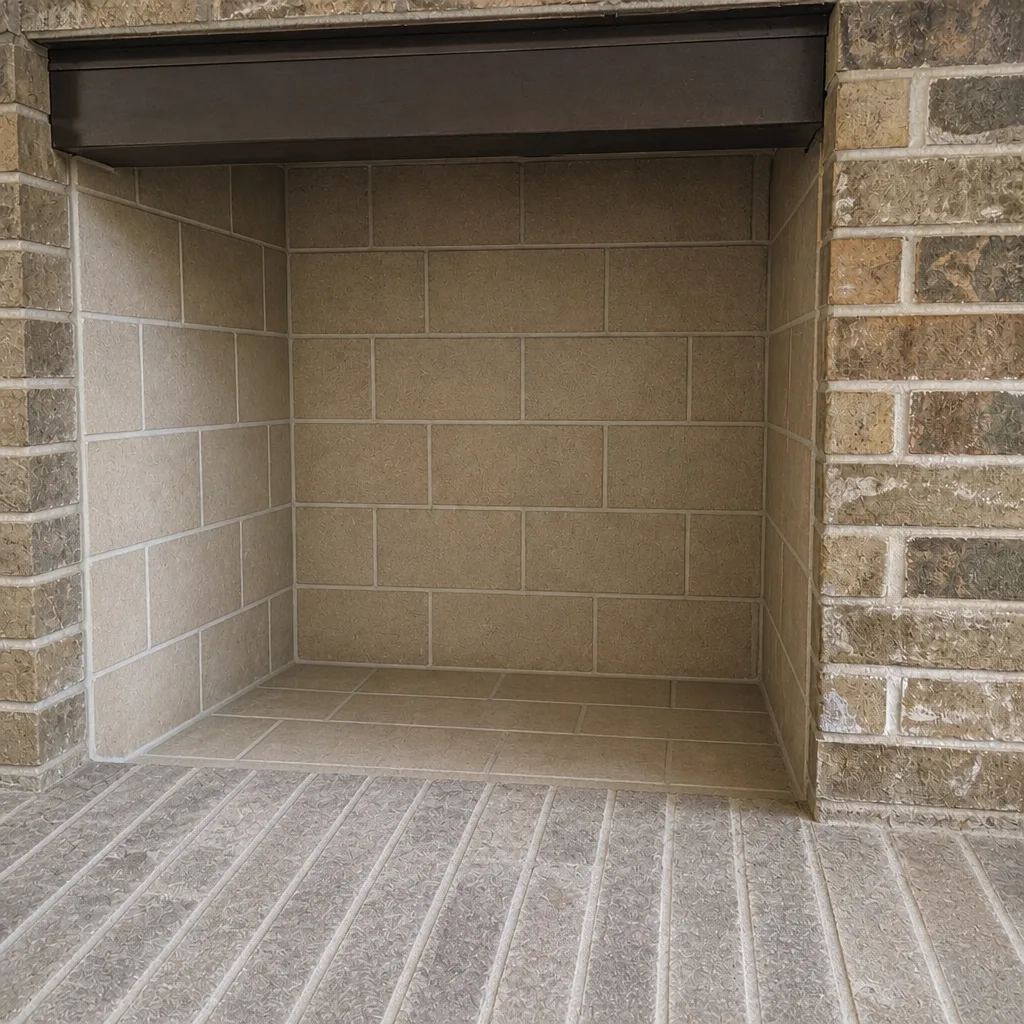 After
When to Call a Professional
There are clear scenarios where a professional evaluation isn’t just smart, it’s the safe call. If you’re burning wood regularly, annual sweeps are the baseline – creosote accumulation is not visible from the firebox. If you’ve never had the flue inspected since moving in, that’s the obvious first step. If the chimney has an odor, visible staining on the exterior, or a strong draft problem, the flue likely needs a camera inspection. And if your dryer is taking longer to dry a load, the vent run is a likely culprit. Chimney Sweep San Angelo offers free estimates in San Angelo – call (833) 946-3155. We answer 24/7. Fast dispatch from 7am to 7pm, Sunday through Friday.
Frequently Asked Questions
DuraFlex is the flexible liner brand we specify most often for San Angelo homes with offsets, jogs, or non-standard flue paths – the conditions where a rigid liner won’t install cleanly. For flues with intact shells and localized joint damage, HeatShield resurfacing is often a better fit than a full reline. The right answer depends on the camera inspection, not the sales pitch. Call (833) 946-3155 for an exact quote – estimates are free.
Look at the written estimate. Professional-grade materials are specified by brand name: DuraFlex, HeatShield, Copperfield, Gelco, Olympia Chimney, or Famco. If the quote says “generic stainless liner” or lists no brand, ask which manufacturer and which warranty applies. A written specification and a manufacturer warranty are the clearest signals. Call (833) 946-3155 if you’d like a walkthrough of what goes into a proper estimate.
HeatShield is the right product for a flue with an intact terra cotta shell and damaged joints or a rough interior, and it restores the liner to UL 1777 compliance without a full reline. It is not a substitute when the shell is cracked through or structurally failed. In that case a DuraFlex reline is the honest recommendation. A sweep who carries both has no incentive to push one over the other. Call (833) 946-3155 – estimates are free.
Yes. In a claims event, documented installation of a certified, branded liner system is fundamentally different from an unlabeled generic with no paper trail. The adjuster’s concern is whether the installation meets a recognized standard, and documentation is what proves it. Brand specification is not about product loyalty – it’s about proving what’s inside the chimney. Call (833) 946-3155 to discuss documentation for your home.
A full-service chimney specialist can often clean the dryer vent on the same visit as the chimney sweep. The NFPA links about 2,900 home fires a year to dryer vents, so combining the two services reduces both chimney-fire and dryer-fire risk in one appointment. It also avoids coordinating a second contractor. Call (833) 946-3155 for an exact quote on a combined visit – estimates are free.
A properly installed DuraFlex liner is engineered for the life of the chimney, provided the correct alloy was specified for the fuel burned and the installation was documented. The failure cases we see are almost always the generic liners, not the branded ones. That’s the practical difference between buying a branded system and a substitute. Call (833) 946-3155 with questions about your specific flue.
The Bottom Line
Choosing the right chimney cleaning brand in San Angelo is a decision about what’s going to be inside your chimney for the next twenty years. Three things make that decision: the brand specification in the written estimate (DuraFlex for flexible relines, HeatShield for resurfacing, Copperfield, Gelco, Olympia Chimney and Famco for caps), the certification the product is engineered to meet, and the documentation that travels with it. Those things don’t show up in the initial invoice – they show up in the first claim, the first repair, and the first time a cap needs matching. Buying the right product through an installer who carries the full venting system is a one-time choice. Spend the time on it before the first call. We answer 24/7. Fast dispatch from 7am to 7pm, Sunday through Friday. Call (833) 946-3155 for a free estimate.
Written by the team at Chimney Sweep San Angelo.