
Last updated November 15, 2026
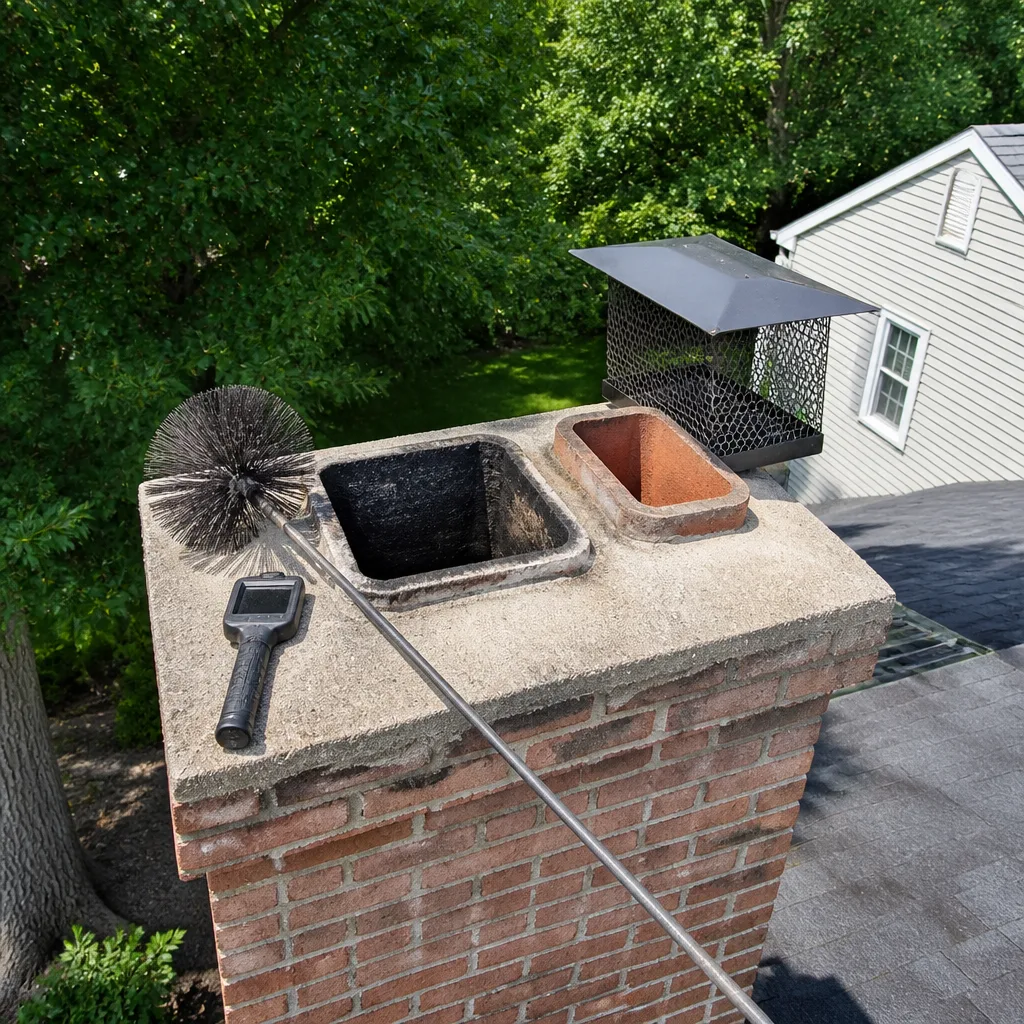 Sweep & inspection
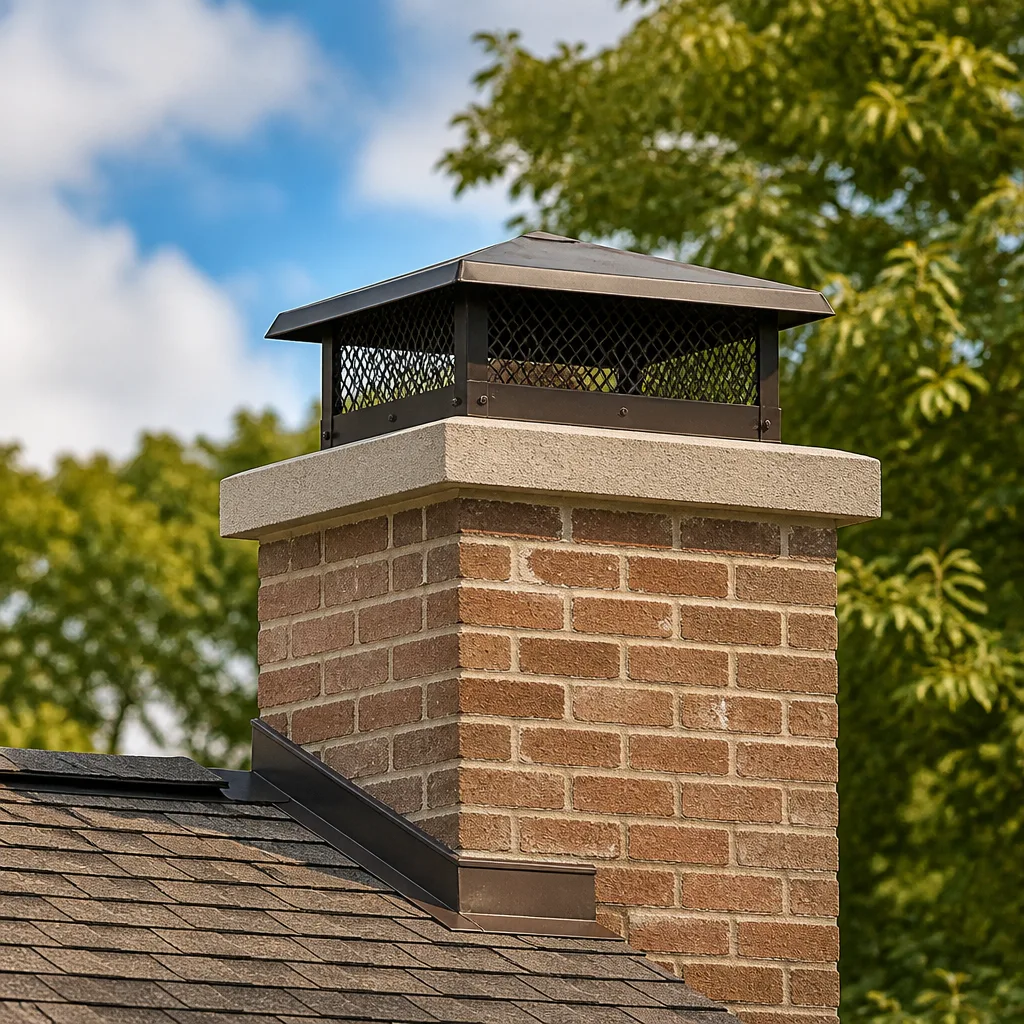 Caps & crowns
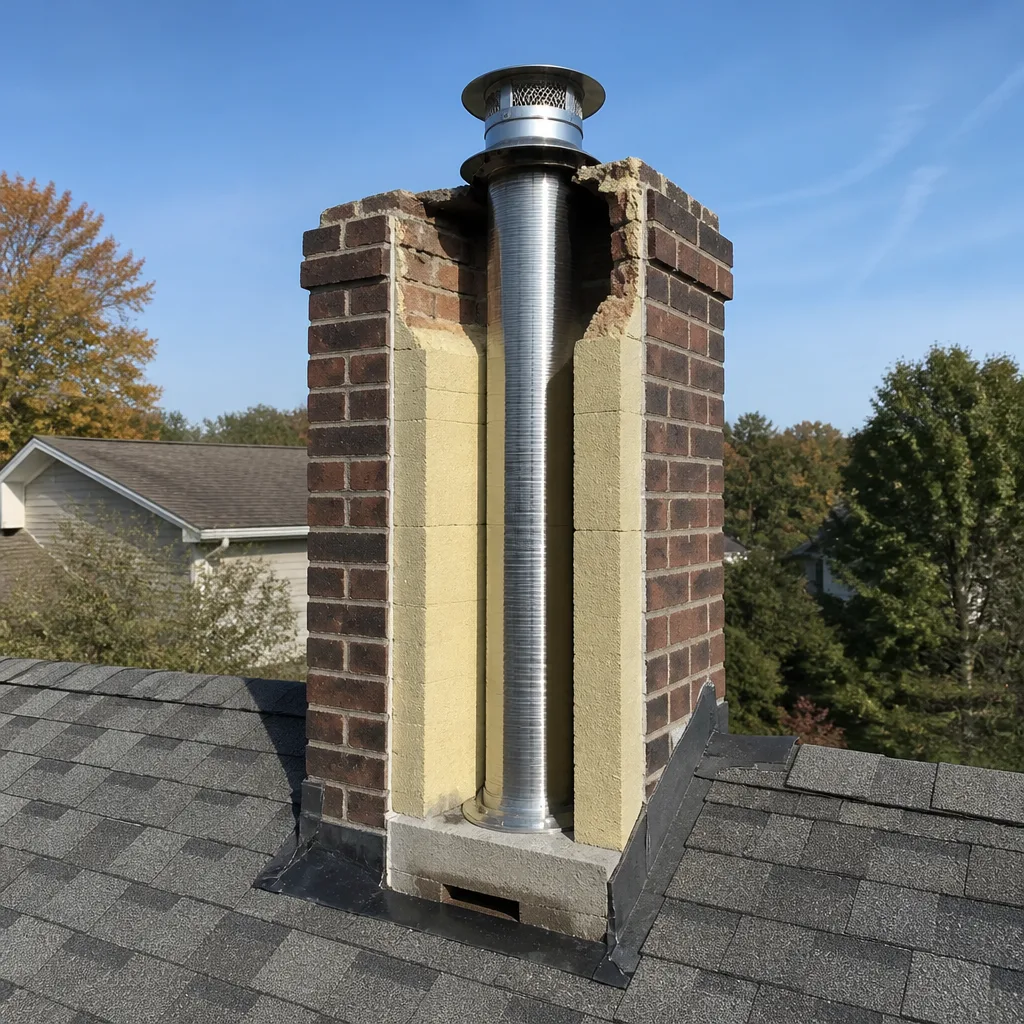 Flue relining
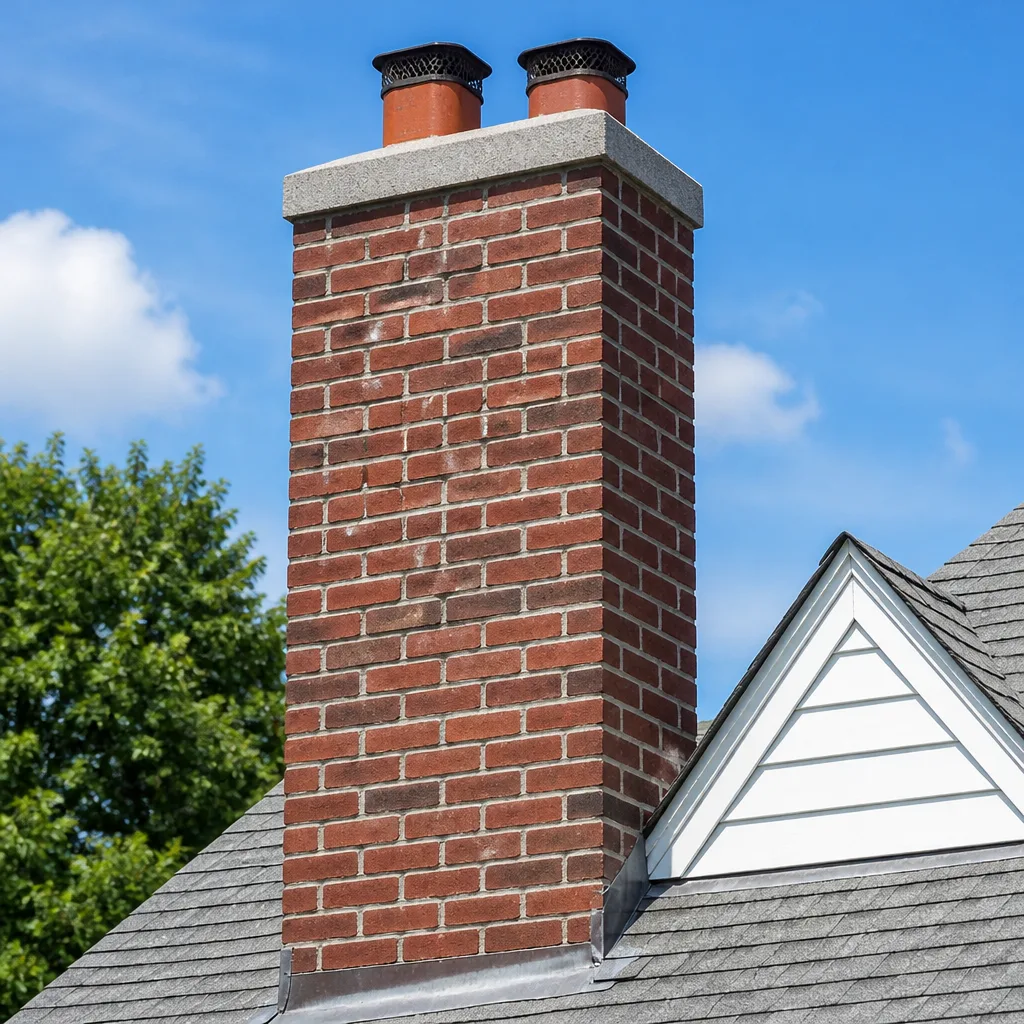 Masonry repair
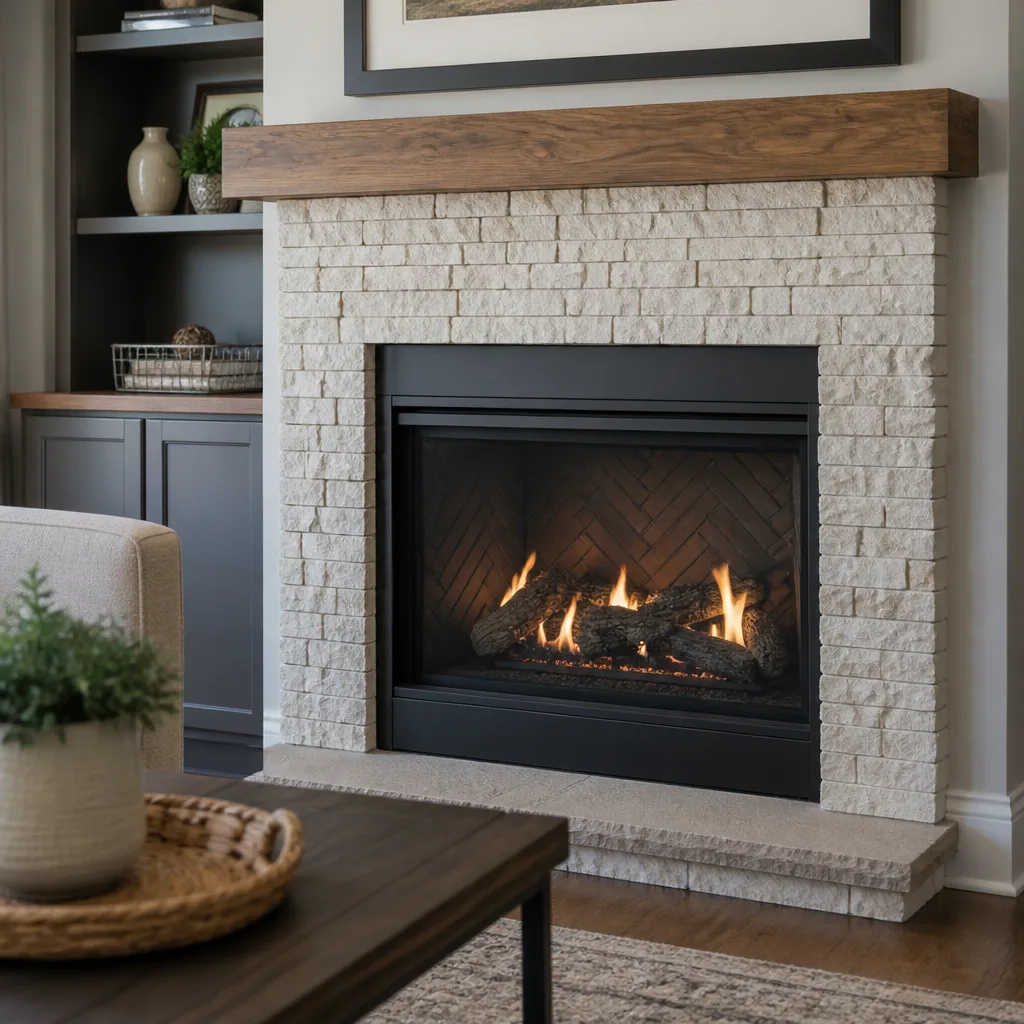 Gas fireplace service
Level 1 sweep and inspection to the NFPA 211 annual standard - flue, crown, cap, and flashing checked and photographed
Chimney sweep logs do not sweep chimneys. They loosen some creosote - which then falls where a brush and vacuum still have to collect it.
Chimney Cleaning Warning Signs: A San Angelo Homeowner’s Reference Guide
Most chimney warning-sign articles point you at the obvious stuff: smoke rolling into the room, flames where flames shouldn’t be. Those are the late-stage signals, and by the time you see them you’re not diagnosing anything, you’re reacting to it. The signals that actually matter in this part of Texas are quieter. A white chalky bloom on the outside brick. A faint musty smell in July. A ceiling stain the color of weak tea. In our experience across San Angelo, these get filed under “cosmetic” or “weather” for months before anyone connects them to the firebox. This guide walks through the subtle indicators, what each one actually means, and how to tell a routine cleaning from a problem that needs real repair.
Quick Answer
The main chimney cleaning warning signs are: a chalky white stain on exterior brick, a musty or bitter smell that gets worse in hot weather, smoke that puffs back into the room when you start a fire, a firebox floor with a crack you can catch a fingernail in, popping or ticking sounds from the flue after the fire dies, and debris dropping into the firebox from above. Any one of these means it’s time to book a sweep and an inspection. Two or more together in a San Angelo home usually points to something beyond a standard cleaning. A $0 estimate from a licensed sweep is cheaper than guessing, and far cheaper than a liner replacement you didn’t see coming.
Styles & brands we work with
- Sweep & inspection
- Caps & crowns
- Flue relining
- Masonry repair
- Gas fireplace service
Table of Contents
- What White Efflorescence on Your Chimney Really Means
- Why Your Chimney Smells Worse in San Angelo Summers
- Chimney Crickets and Water Pooling
- Cracked Firebox Floor vs. Normal Settling
- The Sounds That Point to Liner Damage
- Animal Entry Indicators in a Rural-Adjacent Market
- Brown or Yellow Ceiling Stains Near the Chase
- Creosote Stages and What Each One Demands
What White Efflorescence on Your Chimney Really Means
A white, chalky, salty-looking bloom on the outside of your chimney is not a cosmetic stain and it is not efflorescence from a hose you ran last summer. It is the visible proof that water is moving through your masonry, dissolving salts out of the brick and mortar, and evaporating them onto the surface. Where the salts come out, water went in. That’s the whole story, and it’s the story most San Angelo homeowners miss because the brick still looks structurally sound from the street.
The mechanism is simple enough to walk through:
- Rain lands on the crown, the cap, or the shoulder of the chimney.
- A small crack or a failed mortar joint takes water into the masonry.
- The water carries dissolved salts from inside the brick toward the dryer outer face.
- The sun dries the outer face and leaves the salts behind as a white, powdery crust.
- Repeat that cycle through a West Texas rainy season and the crust thickens while the masonry softens from the inside.
Notice the fifth step. The masonry doesn’t fail while it’s wet. It fails when it dries, because that’s when the salts crystallize and expand inside the pores. That’s why efflorescence and spalling (brick faces flaking off) tend to show up together. A chimney that blooms every spring and never spalls is probably still fine. A chimney that blooms and sheds brick dust onto a nearby roof surface needs eyes on it.
Where this matters locally: San Angelo gets most of its moisture in concentrated rain events, which is harder on masonry than a steady mist. A chimney that soaks and then bakes dry under a clear sky is the ideal cycle for efflorescence to build up. The fix is almost never “paint it.” It’s correcting the water path: a properly fitted cap, a crown that sheds rather than cups water, and mortar joints that are repointed before the water gets deeper. We work with caps from Famco and Copperfield specifically because they can be fitted to odd chimney profiles instead of slapped on with a one-size band. When the water is coming through the walls instead of over them, a HeatShield resurfacing on the interior flue can sometimes close up the same problem from the inside.
Why Your Chimney Smells Worse in San Angelo Summers
The smell that shows up in June and gets worse in August is almost never a ventilation problem. It’s the third stage of creosote baking. Here’s the distinction most people miss: first and second-degree creosote are what a brush takes off. Third-degree creosote is a baked, glazed, tar-like coating bonded to the flue wall, and a brush does not touch it. It holds onto the smell of every fire you’ve ever burned, and heat releases that smell. When San Angelo temperatures push into triple digits and the attic gets hotter than the living room, that glazed layer off-gasses into the house through the flue and the firebox.
You can usually confirm it by timing. If the smell is strongest in the afternoon and gone by midnight, it’s heat-driven off-gassing. If it’s constant, it might be creosote plus a downdraft, and a cap or top-sealing damper can help. If it only smells after rain, the flue is getting wet, which is a different problem and a more serious one.
The pattern most homeowners misread is the “it goes away in winter” part. It doesn’t go away. It’s just that in winter, the wood smoke covers the odor, and the house is closed up, and your nose adapts. The glazed creosote is still on the wall, still a fire hazard, and still the reason you’ll pay more for a cleaning when you finally call. Third-degree creosote sometimes needs a chemical treatment and a re-sweep a few weeks later to fully remove. That’s a two-visit job under the best circumstances. If the flue is also showing damage under the glaze, HeatShield resurfacing is a repair option we use to restore the flue interior without pulling the whole liner out. It’s a cost-conscious path for a flue with degraded mortar joints but an otherwise sound structure.
Our chimney sweep service includes a camera inspection with photo documentation, so the decision about what to do with glazed creosote is made from images you can see, not from a technician’s say-so.
Chimney Crickets and Water Pooling
A chimney cricket is the angled, roof-like piece that directs water around the back side of a chimney where it meets a sloping roof. When it’s built correctly, water sheds off the cricket and away from the chase. When it isn’t, water pools there instead, and pooling water on a masonry chimney does what pooling water always does to masonry. It finds the weakest joint and starts eating it.
Crickets are the single most common cause of slow chimney leaks in San Angelo homes that have a chimney on a pitched roof. Most homeowners have never looked at theirs. The good news is that a cricket is easy to inspect safely from the ground with binoculars or a phone camera zoom, and the visual clues are specific:
- Dark, water-stained shingles on the uphill side of the chimney.
- A visible low spot or standing-water mark where the cricket meets the chase.
- Rusted flashing or flashing that pulls away from the brick by a visible gap.
- Moss or algae growth concentrated on the back slope of the chimney area.
- Efflorescence that appears only on the uphill face of the chimney, not all four sides.
When efflorescence is on all four sides, the water is coming from above the roofline (crown or cap). When it’s concentrated on one face, the water is coming from that face, and the cricket is a suspect. This distinction saves homeowners from replacing a perfectly good cap when the real problem is at the roof transition. A chimney sweep inspection checks the roof-side water path, because we can’t fix a wet flue without fixing the water source. It doesn’t matter how good the interior repair is if the next rain rebuilds the damage from the top down.
For anyone scheduling a chimney inspection in San Angelo, ask the technician specifically about the cricket and flashing on the back side of the chimney. If they don’t look at it, they can’t tell you whether it’s part of the problem.
Cracked Firebox Floor vs. Normal Settling
A firebox floor with a hairline seam that looks like a joint is a house that has settled and a masonry unit that’s done its job. A firebox floor with a crack that runs across the brick, opens into a gap, and catches a fingernail on a swipe is a firebox that has failed. The difference matters because a failing firebox is a direct path for heat and embers into the structure of your home. Cracks that run into the chimney chase at the sides of the firebox, or cracks that separate the floor from the walls, are the ones to take seriously.
Use this test:
- Let the firebox cool completely, at least 24 hours after the last fire.
- Shine a flashlight at a low angle across the floor so cracks stand out.
- Run a fingernail, not a fingertip, lightly across any line you find.
- If the nail catches, the crack has depth. Book an inspection.
- If the line is flush and only visible under a light, it’s likely cosmetic mortar line.
- Look at the sides and the back of the firebox too, not just the floor.
The reason this distinction matters for safety and not just looks is the ember path. A hairline at the floor is unlikely to open. A gap at the mortared seam, especially where the floor meets the side wall, lets heat push into the structure behind the firebox on a hot burn. That’s not a chimney fire, but it’s the same neighborhood. When we see a firebox with a failing floor and cracked side joints, we often recommend HeatShield resurfacing on the flue above the firebox and proper rebuild or resurfacing of the firebox itself, because they tend to fail together under the same heat cycles.
Cosmetic cracks don’t need to be repaired. Structural cracks do, and the difference is something a trained eye resolves in a few minutes. We can tell you at the estimate whether a firebox needs repair this season or whether it’s a note-to-self for the next inspection.
The Sounds That Point to Liner Damage
Chimneys make noise. Thermal expansion and contraction cause a soft tick or a light rumble as the flue heats and cools, and that’s normal. What isn’t normal is a popping or crackling sound from inside the flue after the fire has died down, or a repetitive ticking that continues well after the firebox has cooled. Both point at the liner moving inside the flue because the liner wall has lost its clearance to the surrounding masonry, or a flue tile has cracked and the pieces have shifted.
The line between normal thermal noise and liner damage is a useful one to know:
- Normal: A quiet, slow tick as the fire heats the metal, and a similar one as it cools. Ends when the metal reaches the ambient temperature.
- Suspect: A popping or crackling that continues after the firebox is cool to the touch.
- Suspect: A rhythmic ticking, like a clock, that starts on its own hours after the fire has gone out.
- Suspect: A light rattling or scraping sound that appears when the house is quiet in the evening.
- Suspect: An occasional hollow “thunk” that sounds like something dropping inside the flue.
The reason these matter is that a clay flue tile or a steel liner holding a hairline crack is still doing most of its job. It’s the moving piece that isn’t. A liner that has separated from its own structure can shed material, and that material is hot. A crack in a clay tile lets creosote and moisture reach the surrounding brick, which is where a fire can start behind the flue, outside the firebox where you can see it. For steel liners, the noise usually signals a joint that has opened or a liner that has lost its support at a storm collar.
DuraFlex flexible liner systems are what we specify for relining work because the wall construction tolerates thermal cycling better than a rigid tile inside a moving chimney. The point isn’t to sell a liner. The point is that a chimney making a noise it didn’t used to make is a chimney that needs to be looked at, and the fix range is real. Sometimes it’s a re-seat. Sometimes it’s a liner replacement. You won’t know which until it’s been inspected, and guessing in the wrong direction is expensive.
Animal Entry Indicators in a Rural-Adjacent Market
San Angelo’s edges push into open country, and a chimney without a properly fitted cap is a bird and squirrel superhighway. Animals in a flue are less of a fire hazard than a nuisance, but they damage the flue wall, leave debris that blocks the draft, and the ammonia smell from a nest can be mistaken for that summer creosote odor, confusing the diagnosis. The signs are fairly specific:
- Debris dropping into the firebox in the off season: twigs, nesting material, feathers, or dried grass.
- A sharp ammonia smell from the firebox, especially in the spring and early summer.
- Scratching or scrambling sounds inside the chimney during the dormant season.
- A single squirrel or bird appearing on the roof repeatedly, close to the cap.
- An obvious gap in the cap mesh, or a cap that’s rusted through or missing entirely.
- Mild staining around the top of the flue, where a bird has perched.
Animals aren’t a reason to panic, but they are a reason to get the cap fixed and the flue cleaned before fall. Once a nest is in the flue, the flue has a fire load in it from material that isn’t wood. It also has a draft restriction that makes the next fire burn poorly, which is how a homeowner ends up diagnosing a “smoking fireplace” that’s actually a clogged flue. Debris in the smoke shelf is the first thing a sweep checks when the complaint is “my fireplace won’t draw.”
A properly fitted cap from a brand like Olympia Chimney closes the entry path without closing the draft. It’s one of those small jobs that prevents a whole category of bigger ones. When we inspect a chimney with an animal history, we check the cap, the crown, and the smoke shelf together, because those three components have to work as a set. And the animals come back year after year if the cap is only partially fitted, which is why we work with brands that allow a custom fit rather than a one-size stretch over the flue.
Brown or Yellow Ceiling Stains Near the Chase
A tea-colored or pale yellow stain on a ceiling near a chimney chase is water, and it’s usually water that’s been moving slowly for a while. The color is the tip-off. Fresh water from a roof leak is usually clear. Water that’s passed through insulation and ceiling drywall often carries a brown tint from the paper facing and the dust in the attic. When the stain is near the chase rather than near a plumbing vent or a bathroom, the chimney is the source in most cases.
What to do about it, in order:
- Check whether the stain is growing. Pencil a light outline around it and look again in a week.
- Look for a corresponding water trail on the chimney side of the attic, not just the ceiling side.
- Check the roof around the chimney for lifted flashing, missing shingles, or a failed cricket.
- Check the cap and crown from the ground for cracks or missing pieces.
- Book an inspection. Ceiling stains from a chimney chase can involve a structural leak or a failing flue, and the two have very different fixes.
The urgency depends entirely on where the water is coming from. A stain from a failed crown usually means the top of the chimney has been wet for a season, and it needs to be fixed before the next rainy window. A stain from a compromised flue tile is more serious, because a wet flue that also fires is a flue that can spall from the inside, and spalled flue tile is a liner replacement waiting to be written up. Neither is a “call today or the house falls down” situation, but both are situations where waiting through another wet season doubles the scope of the work in most cases.
We inspect the chase and the ceiling line together when a homeowner reports a stain. Water finds a path, and that path usually goes down the outside of the flue before it reaches drywall. Finding it early is cheaper in every case.
Creosote Stages and What Each One Demands
Creosote is the unburned byproduct of wood smoke that condenses on the flue walls. It builds in three recognizable stages, and each one calls for a different response. Homeowners who understand the stages tend to make better decisions about when to call, and they don’t get talked into a repair they don’t need.
- First-degree creosote: Flaky, soot-like, dry to the touch. Standard brush removal. This is what a normal annual cleaning handles.
- Second-degree creosote: Dense, crusty, semi-glazed. Brush removal plus a stiff flue brush and sometimes a rotary tool. Still a one-visit cleaning, but it takes longer.
- Third-degree creosote: Glazed, tar-like, bonded to the flue wall. A brush slides across it. Needs chemical treatment, a dwell period, and a return sweep. This is the stage that concentrates fire risk because it’s the stage that ignites hottest.
The jump from second to third degree is where the trouble lives. It doesn’t happen overnight, but it does happen silently, from a slow accumulation of fires burned with under-seasoned wood or a fire that idles too long with the damper half-closed. Most San Angelo homeowners can’t tell second-degree from third-degree by looking up the flue. That’s the point of the camera inspection we run on every cleaning: the photo report shows the flue wall before and after, and it shows a glazed panel that a brush won’t take off. Nothing is recommended that isn’t in the pictures.
When the flue wall under the creosote is sound, cleaning plus a chemical treatment is enough. When the creosote has bonded to a wall with damaged mortar joints, the repair path varies. Sometimes it’s a HeatShield resurfacing to restore the joints. Sometimes it’s a DuraFlex liner because the tile is beyond resurfacing. Sometimes it’s noting the damage and scheduling the liner replacement for the next season because the current stage doesn’t require immediate action. That last option is underused and we say it plainly when it’s the truth. A sweep who tells you to wait when waiting is safe is a sweep you can trust next time.
The standard for scheduling a sweep is based on how much you burn and what you burn. A fireplace burning a cord or two of seasoned hardwood a year is on an annual cycle. A fireplace burning green or unseasoned wood, or an insert with a flue that stays cooler, needs a sweep more often because the creosote builds faster at lower flue temperatures. Cozy open-hearth fires burned on mild West Texas evenings actually build more creosote than hot fires, because the flue stays cool and the smoke condenses instead of exhausting. That’s a useful thing to know when you’re deciding whether to burn tonight.
Common Mistakes to Avoid
- Treating efflorescence as cosmetic. A white bloom on the exterior brick is the visible output of water moving through the masonry. Painting over it traps the water inside and pushes the damage further in. Fix the water source, not the surface.
- Ignoring a summer odor until fall. In our experience the July smell is glazed creosote, not a ventilation problem, and by the time the first fire of the season highlights it, you’re looking at chemical treatment plus a return sweep. The cost is the same in June and October, but the fall wait is longer because the calendar fills up.
- Burning softwood or green mesquite straight off the ground. Unseasoned wood burns cool and coats the flue. A year of seasoning turns a fire that coats the flue into a fire that creates very little creosote. It’s the cheapest chimney-maintenance decision a homeowner can make.
- Skipping the cricket and flashing check because the cap is fine. A good cap and a bad cricket produce the same symptom, water in the masonry, and only one of them is visible from the driveway. A sweep inspection that doesn’t include the roof-side is half an inspection.
- Assuming “a few hairline cracks” in the firebox are harmless. Some genuinely are. The ones you can catch a nail in are not, and the distinction is a flashlight-and-fingernail test, not a visual guess from five feet away.
- Letting a dryer run on a lint-clogged vent. This isn’t a chimney problem, but it’s part of the same venting system that needs attention, and it’s a leading category of home fire causes in national data. A dryer vent cleaning belongs on the same annual call as the chimney sweep if the dryer runs regularly.
- Taking a mowing-and-paint approach to a chimney problem because it’s cheaper today. The cheapest fix is the one that addresses the actual cause the first time. Painting a moist chimney, caulking over an animal gap, or ignoring a ceiling stain pushes the problem into the part of the structure that costs more to repair.
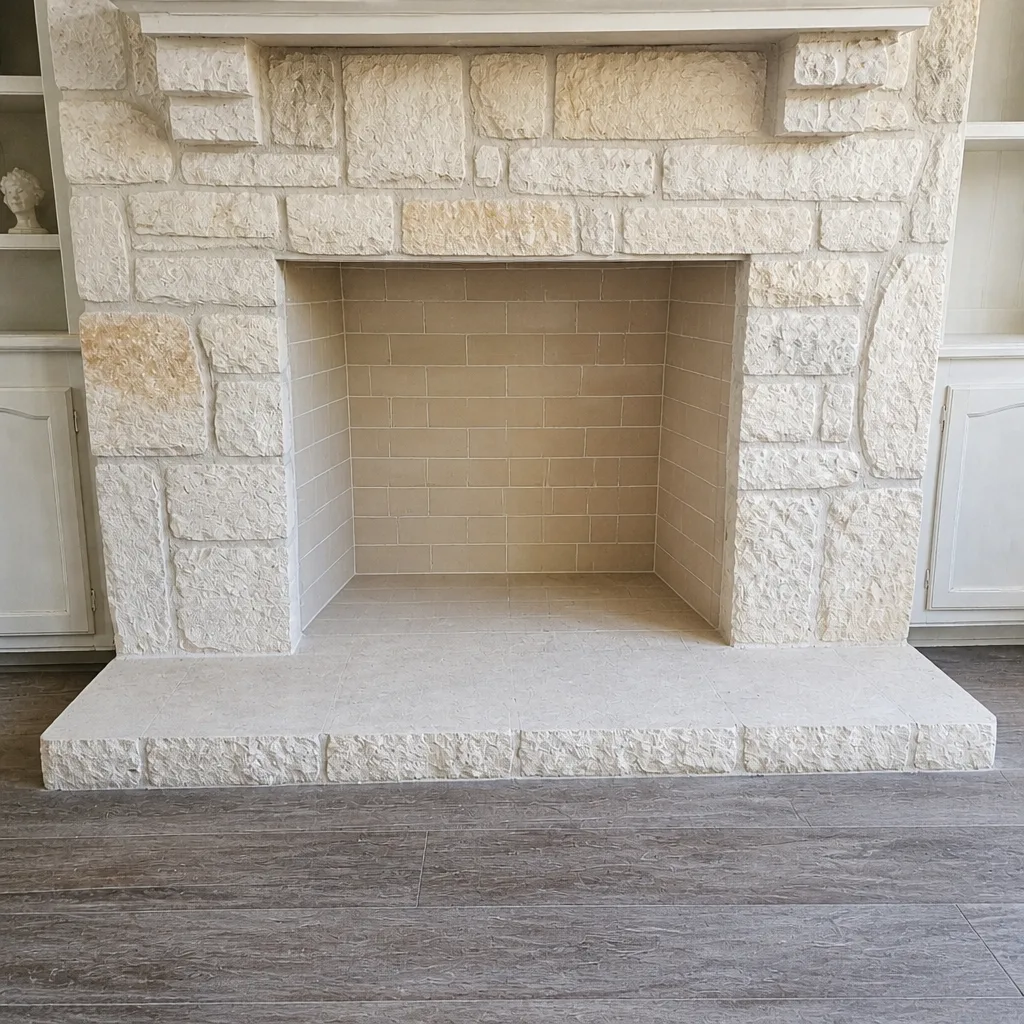
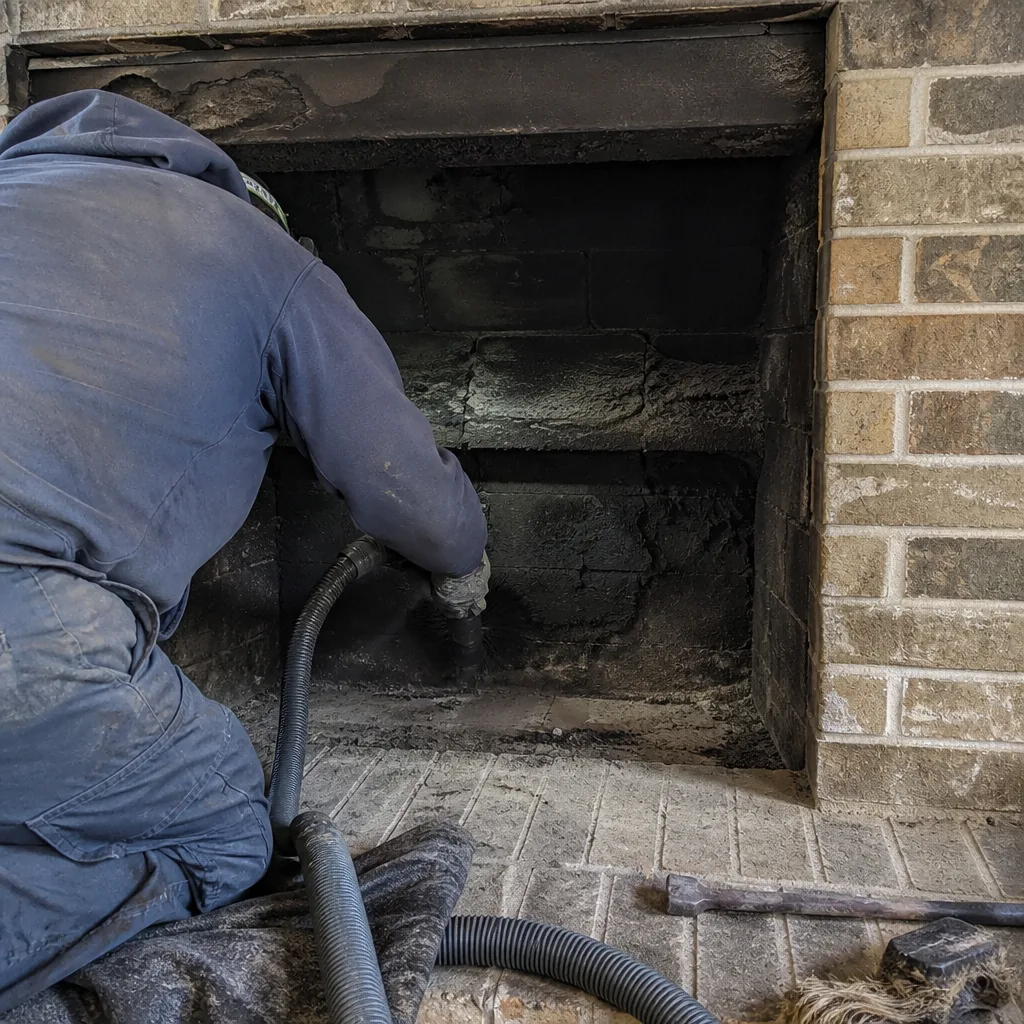
See the difference
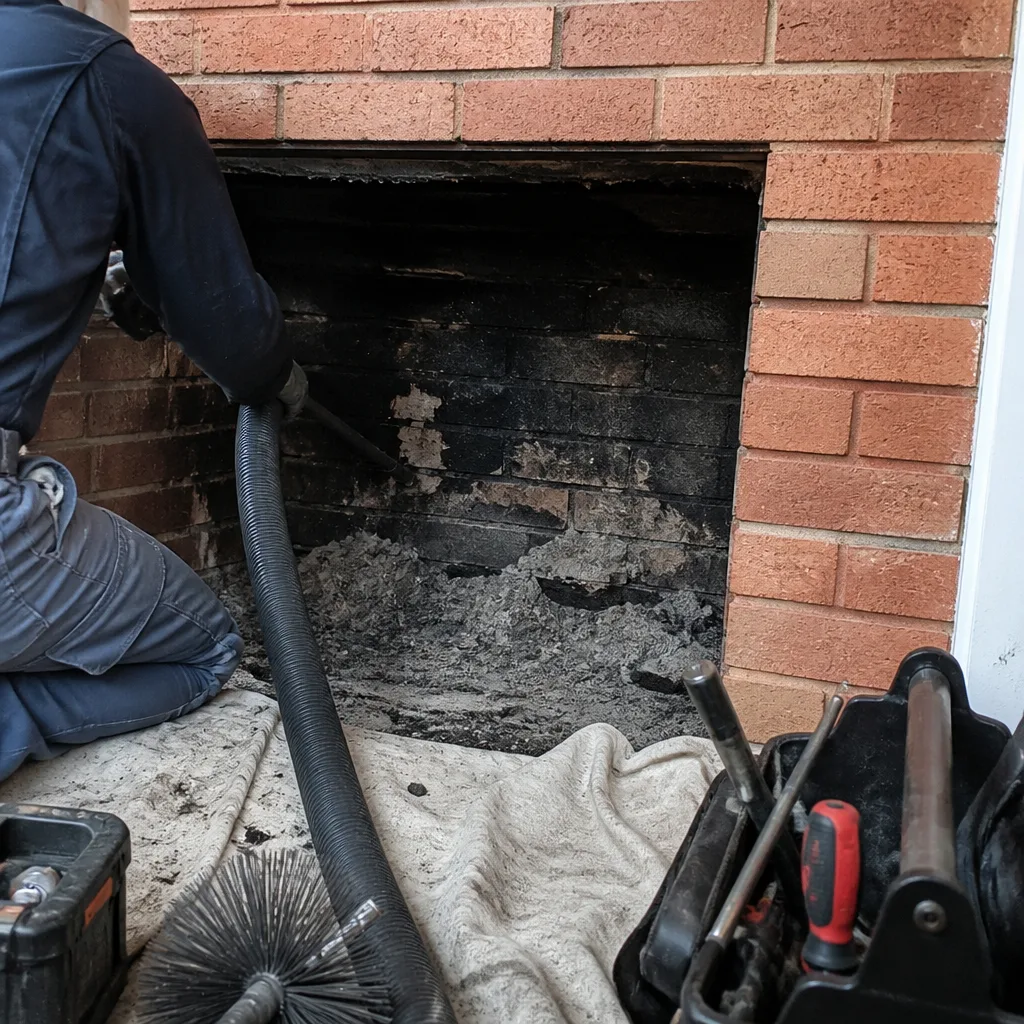 Before
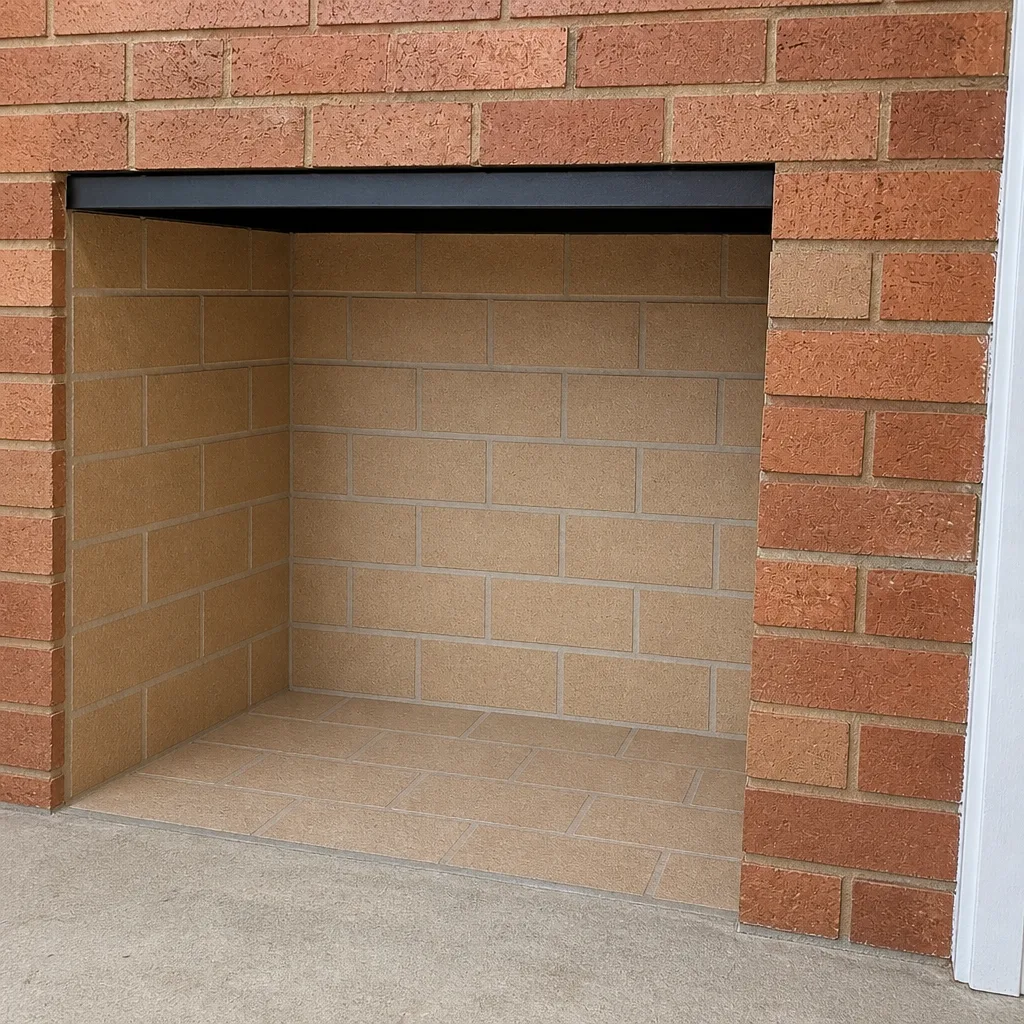 After
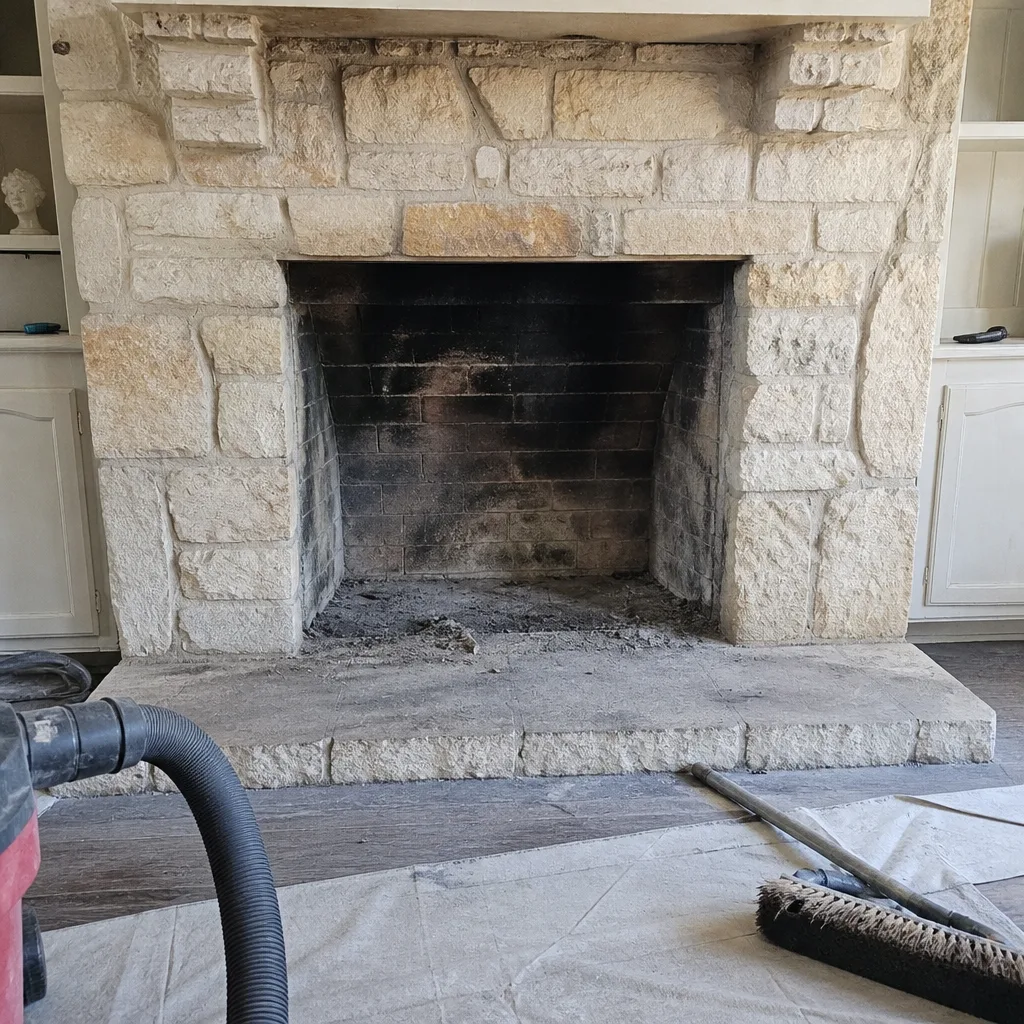 Before
 After
 Before
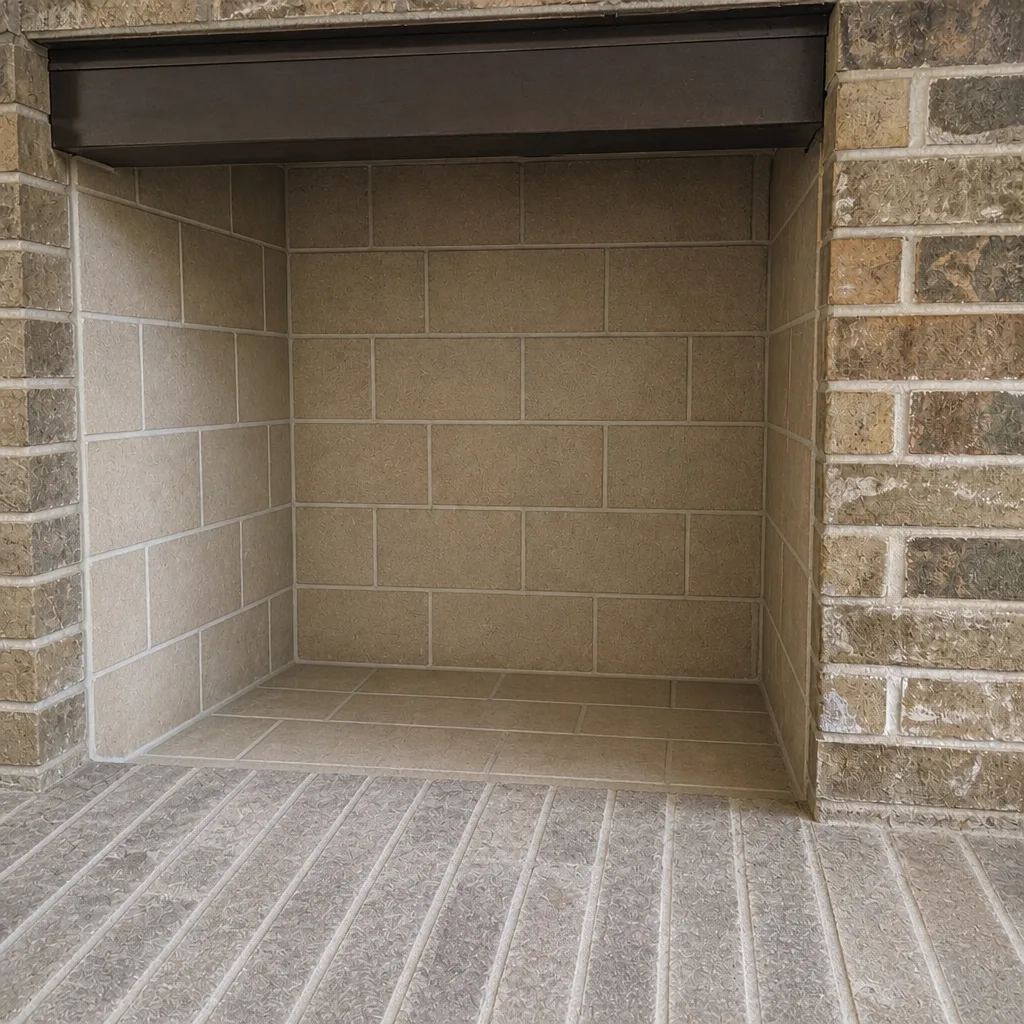 After
When to Call a Professional
Call a licensed sweep if you see a white efflorescence bloom on the chimney exterior, a ceiling stain near the chase, a firebox crack you can catch a nail in, or a summer odor that spikes with the temperature. Call if you hear popping or ticking from the flue after the fire dies, or if debris is dropping into the firebox. Call if it’s been more than a year since the last sweep and the fireplace has been used. And call if you bought a home in San Angelo with a chimney and you don’t have documentation of the last inspection; you can’t know the creosote stage or the liner condition without eyes on it. We offer free estimates and a camera inspection with photo report so the decision is made from images, not from a recommendation you have to take on faith. Call San Angelo‘s team at Chimney Sweep San Angelo at (833) 946-3155.
Frequently Asked Questions
A standard chimney sweep in this area typically runs in the low hundreds of dollars for a cleaning plus inspection, and the price is set per job by the written estimate. We don’t quote a range over the phone because a flue with third-degree creosote or an animal nest is a different job than a routine annual sweep. Call (833) 946-3155 for an exact quote. Estimates are free, and you’ll see the photo report before anything is recommended.
A liner replacement is necessary when the flue wall has lost its structural integrity: cracked or spalled clay tile, mortar joints that have failed through, or a glazed creosote load that has damaged the flue wall beneath it. You don’t need one when the flue is sound and the issue is a dirty flue. The only way to tell the two apart is a camera inspection, and any recommendation you get should come with photos. If a sweep recommends a liner replacement for a flue that could be resurfaced with HeatShield, ask why; resurfacing is a legitimate cost-conscious option for a flue with degraded mortar joints but a sound structure. Call (833) 946-3155 for a free estimate.
Most fireplaces burning a cord or two of seasoned hardwood a year should be swept annually. Inserts, wood stoves, and fireplaces burning unseasoned wood need a sweep more often because the creosote builds faster at cooler flue temperatures. Gas inserts and gas appliance flues are inspected rather than swept, and the schedule for those is every year or two depending on the appliance. When in doubt, get an inspection and let the photo report tell you. Call (833) 946-3155. The estimate is free.
Creosote builds in stages, and skipping a cleaning accelerates the climb from second-degree (crusty but brush-removable) to third-degree (glazed, tar-like, and a fire risk). The visible consequence is a fire that doesn’t draw well and a smell in the house through the summer. The invisible consequence is a fire hazard building in a flue you can’t see. A chimney fire is a serious event, and the standard advice is to keep the creosote load low enough that ignition is unlikely. Call (833) 946-3155 for a free estimate.
You can sweep a flue yourself if it’s in good condition, but you can’t inspect it the way a professional does. The parts of the flue that fail first are the ones you can’t see from the top or the bottom without a camera, and the parts of the firebox that need attention are the ones the flashlight angle catches. Some chimney work is genuinely dangerous: pulling a compromised liner, working near a glazed creosote load, or climbing a steep roof. Book a professional inspection and let the photo report decide the next step. Call (833) 946-3155. The estimate is free.
Both are cleaning services for venting systems, but they address different appliances and different fire hazards. A chimney sweep cleans the flue and firebox used by your fireplace; dryer vent cleaning clears lint from the exhaust path of your clothes dryer. In national fire data, dryer vent systems are a leading category of residential fire cause, and they’re routinely skipped by chimney-only specialists. We do both because one call covering both systems is more efficient than coordinating two contractors. Call (833) 946-3155 to book either or both. Estimates are free.
The Bottom Line
The warning signs that matter in San Angelo are the subtle ones. A white bloom on the exterior brick means water is moving through the masonry, not that the chimney needs a wash. A musty smell in July usually means glazed creosote is baking in the heat, not that the house needs better ventilation. A firebox crack you can catch a nail in is a structural problem, and a hairline seam is not. Popping or ticking after the fire dies is a liner telling you something moved, and a tea-colored ceiling stain is water with a path. Learn these patterns now and the first fire of the fall is a safe one. Read the signs, get the inspection, and make the repair decision from a photo report rather than from an assumption. The full Chimney Sweep San Angelo service covers the sweep, the repair, and the vent system under one call.
If any of the signs above sound familiar, call Chimney Sweep San Angelo at (833) 946-3155 for a free estimate. We answer 24/7. Fast dispatch from 7am to 7pm, Sunday through Friday. Our technicians have up to 11 years of experience, and every inspection includes a camera report you can see for yourself.
Written by the team at Chimney Sweep San Angelo.