
Last updated November 15, 2026
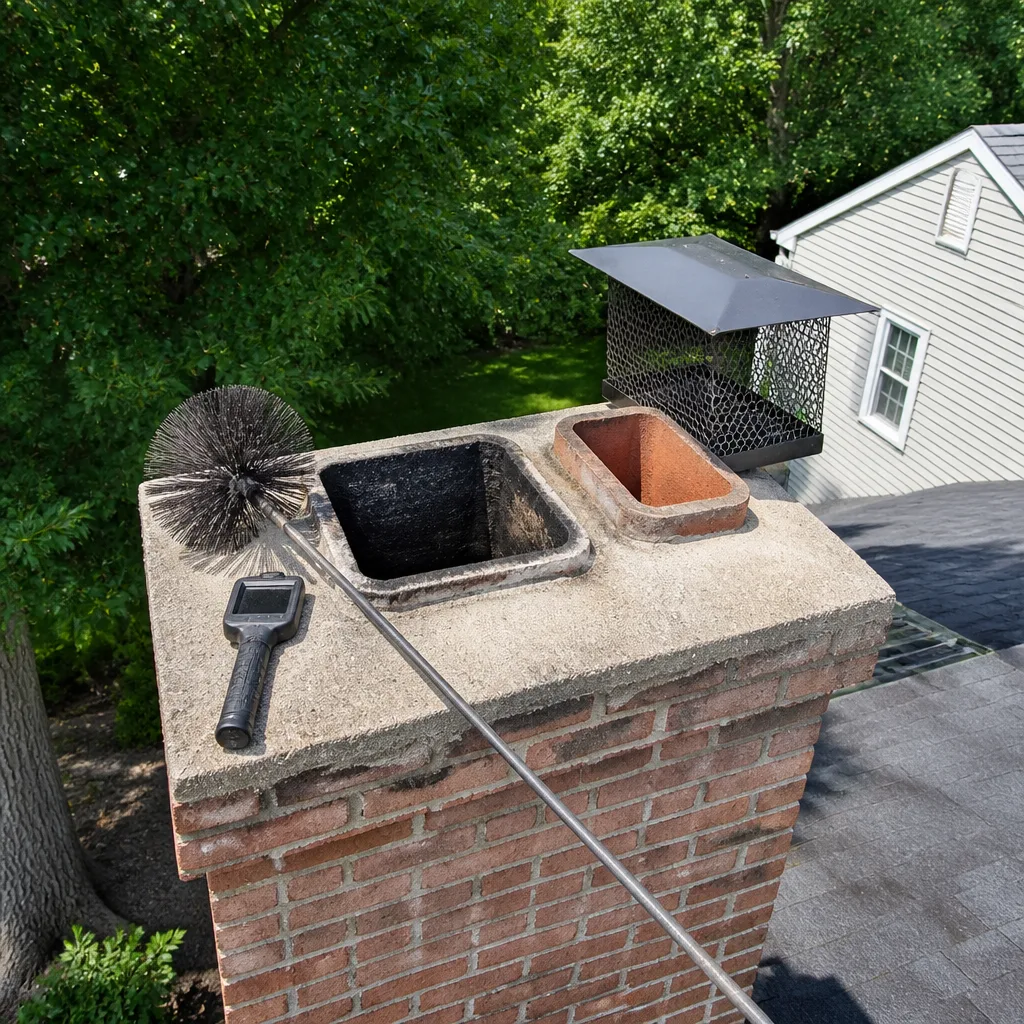 Sweep & inspection
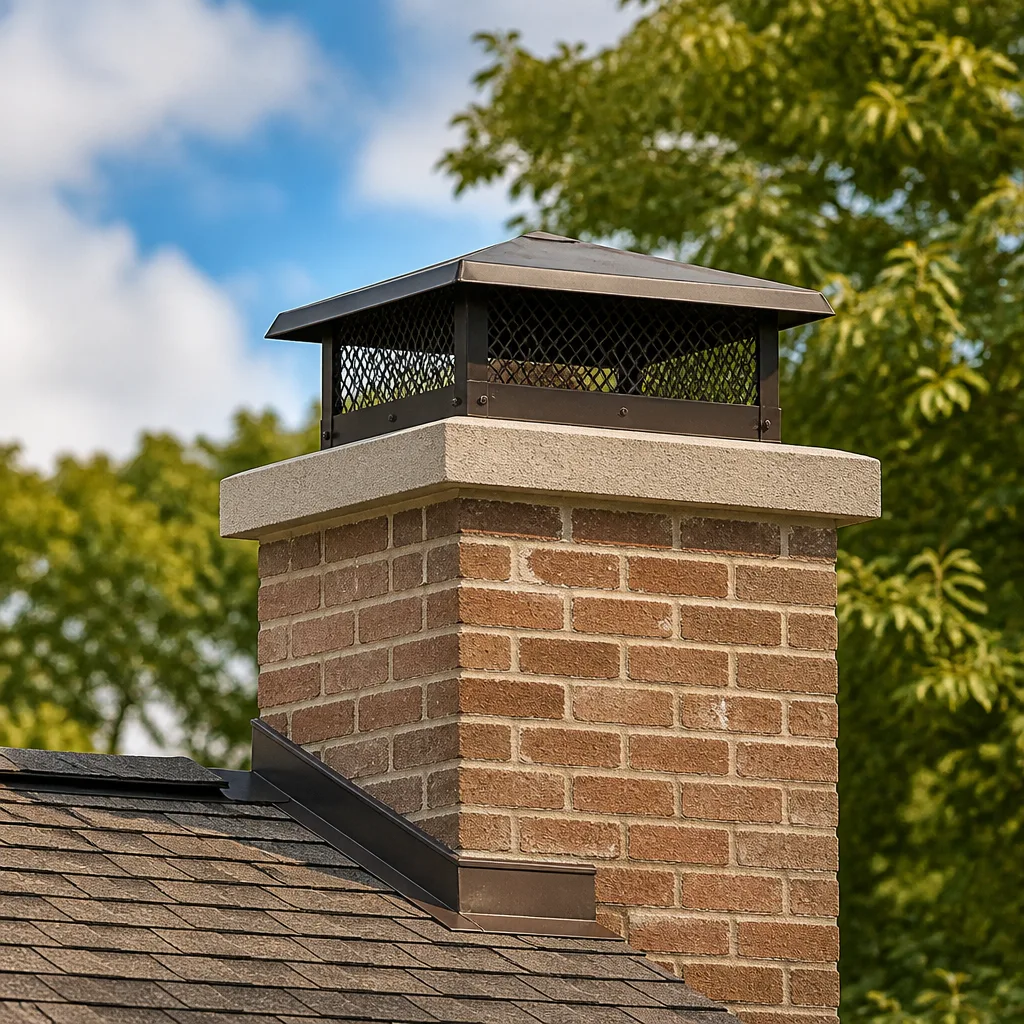 Caps & crowns
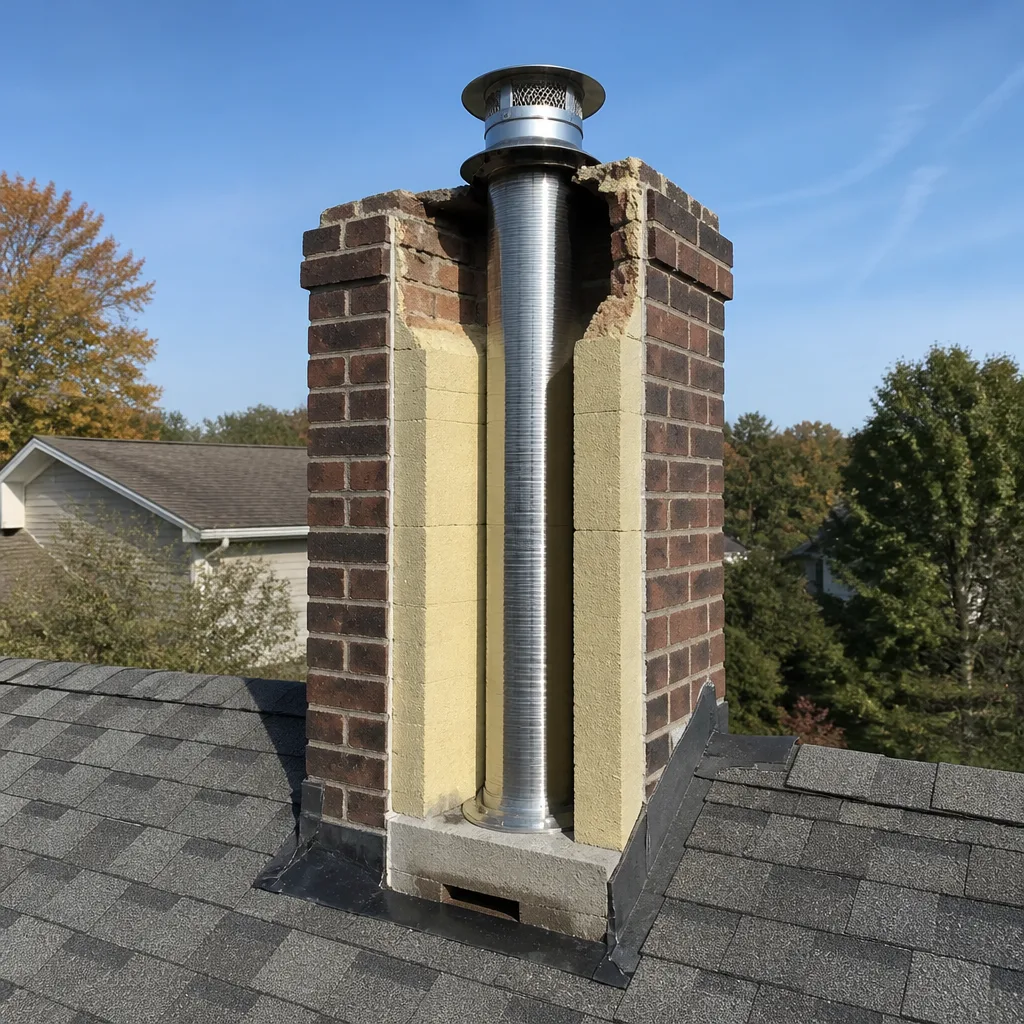 Flue relining
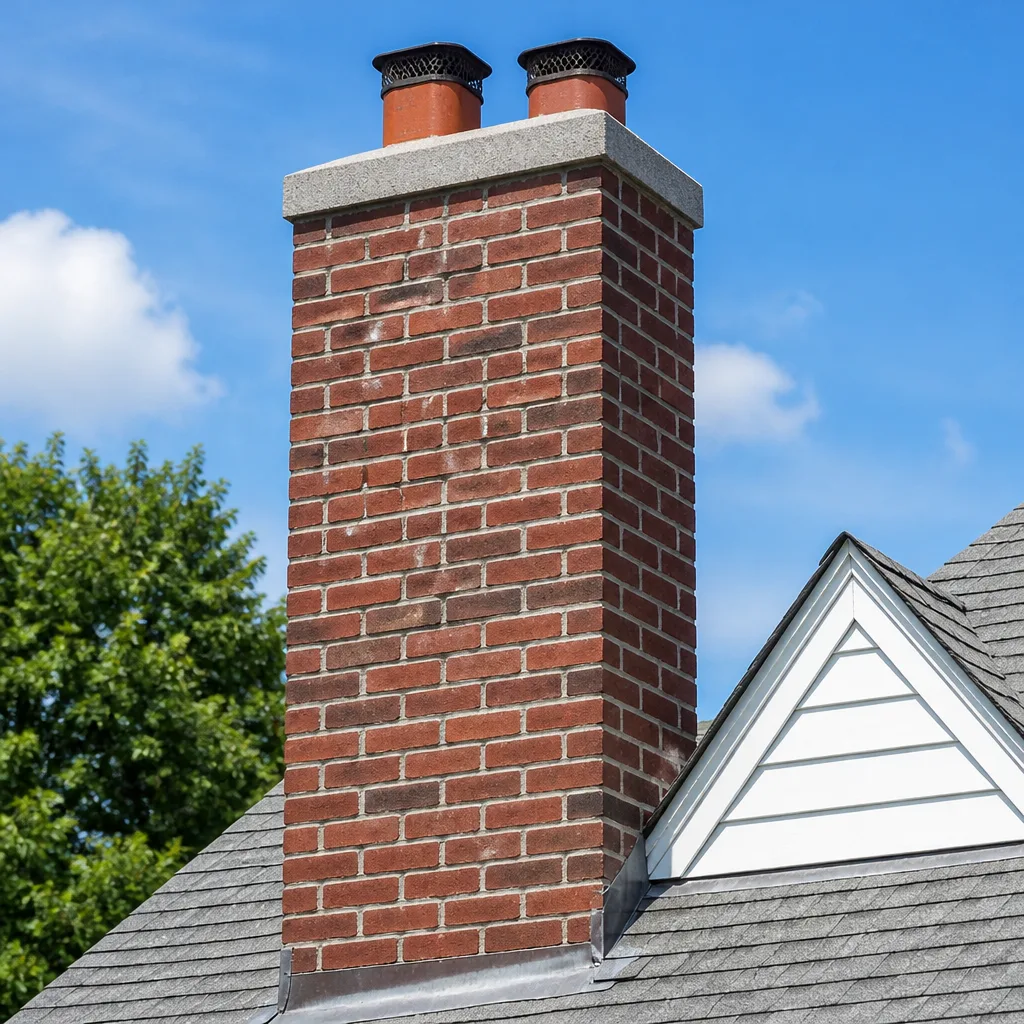 Masonry repair
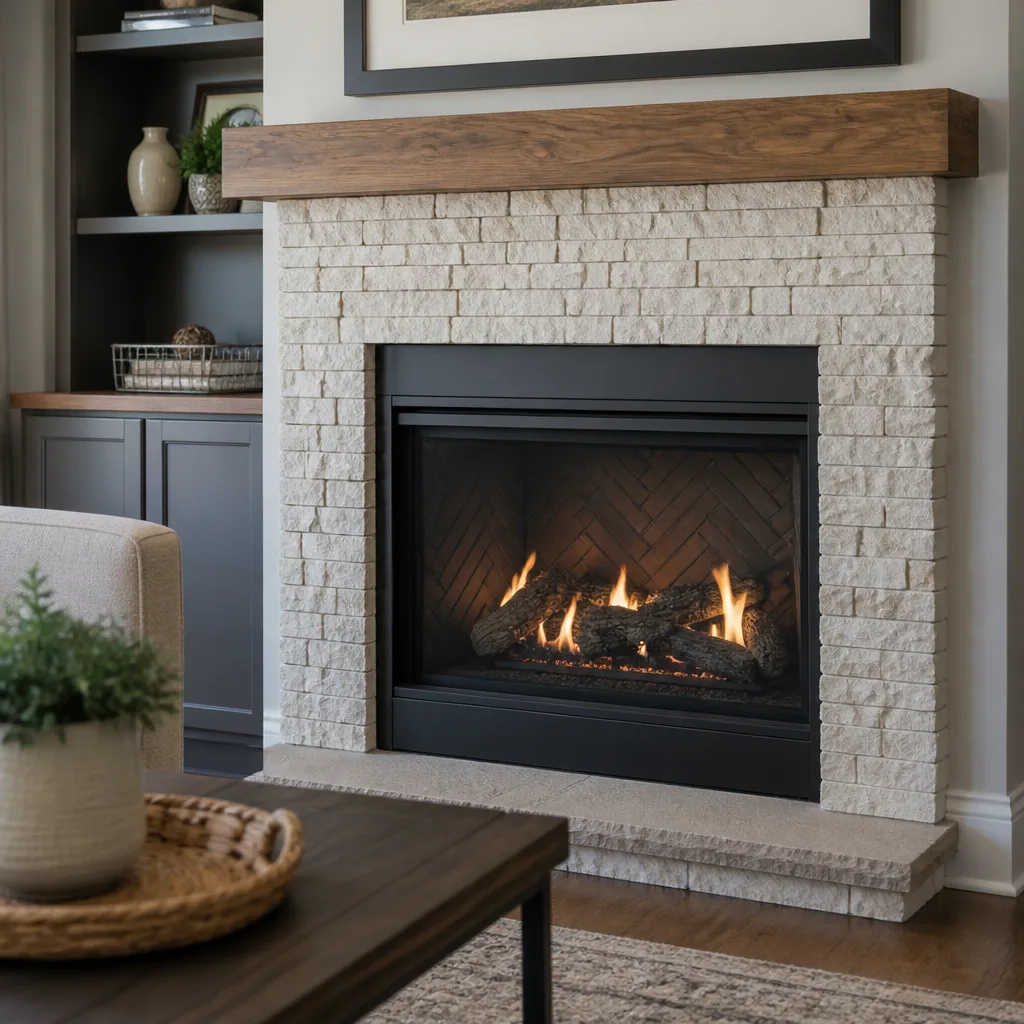 Gas fireplace service
Level 1 sweep and inspection to the NFPA 211 annual standard - flue, crown, cap, and flashing checked and photographed
Chimney sweep logs do not sweep chimneys. They loosen some creosote - which then falls where a brush and vacuum still have to collect it.
Chimney Sweep Maintenance Schedule: What to Do and When
The National Fire Protection Association’s guidance is “at least once a year.” That standard is sound, but it was written for homes burning well-seasoned hardwood, and most San Angelo fireplaces don’t run on oak. They run on mesquite and cedar, wood that most homeowners here split from their own property or buy by the cord from a neighbor. Resinous wood like that deposits creosote faster than hardwood does, which means a strict calendar schedule can quietly let buildup accumulate past the point where it’s safe. This guide replaces the once-a-year rule with something that actually fits how San Angelo burns: a framework based on cords of wood, burn hours, and seasonal triggers specific to our climate. You’ll learn when to sweep, when to inspect, and how to know the difference.
Quick Answer
Sweep your chimney at least once a year, but in San Angelo that’s a floor, not a target. If you burn more than a cord of mesquite or cedar in a season, or run your fireplace more than a few times a week through the cooler months, you should plan on an inspection at the one-cord mark and a sweep whenever the technician finds a quarter-inch or more of creosote. The calendar starts the conversation. Your burn log finishes it.
Styles & brands we work with
- Sweep & inspection
- Caps & crowns
- Flue relining
- Masonry repair
- Gas fireplace service
Table of Contents
- Why the Calendar Alone Misses the Mark in San Angelo
- The Cord and Burn-Hour Framework
- A Month-by-Month Schedule for San Angelo’s Climate
- How to Track Your Own Burn Hours
- Level 1 vs. Level 2 Inspections: What Each One Actually Covers
- Fitting Dryer Vent Cleaning Into the Same Calendar
- Gas Inserts and the Different Schedule They Follow
- Keeping Records That Protect You
Why the Calendar Alone Misses the Mark in San Angelo
Creosote forms when wood smoke cools before it leaves the flue. The wood you burn determines how much of it forms and how fast. Seasoned oak produces a moderate amount of smoke and burns hot and clean for a long stretch. Mesquite and cedar produce considerably more, and they carry resins and oils that turn into a sticky, tar-like deposit early in the burn cycle. That first-stage creosote is what technicians see most often in San Angelo flues. It’s also the stage that glazes into the hard, glossy, highly combustible form if it sits and gets fed another season of smoke.
There’s a second factor specific to this part of West Texas. Our cooling season runs long, so many homeowners don’t light the first fire until well into late fall. That means most of the burn volume gets packed into a shorter window. A fireplace that a Chicago homeowner uses lightly from October through April might get used heavily here from November through February. Same annual total, higher concentration per month, less time between the last fire and the next. The flue doesn’t rest, and the creosote doesn’t dry out and flake away the way it might in a colder climate with a real off-season.
We’ve seen plenty of San Angelo chimneys that were swept every twelve months on the nose and still showed heavy third-degree glazing. And we’ve seen ones that went two years and looked fine, usually because the homeowner burned less than half a cord and mostly on cold snaps. The calendar is a useful default. It is not the determining factor.
The Cord and Burn-Hour Framework
A full cord of firewood is a stack measuring 4 feet high, 4 feet deep, and 8 feet long. Most San Angelo homeowners who burn through the winter use somewhere between half a cord and a cord and a half. If you buy from a local supplier, ask how they measure. A “rick” or “face cord” is not a full cord and the wood volume can vary widely.
Here’s the framework we use when we talk to homeowners about how often to sweep:
- Less than half a cord per season, occasional fires: annual sweep and inspection is reasonable, as long as you’re not burning green or unseasoned wood.
- Half to one cord, regular fires (two to three times a week through the season): annual sweep, plus a mid-season visual check of the firebox and flue top if you can safely see either from the ground.
- One to two cords, frequent fires (four or more times a week): inspect at the one-cord mark. Sweep at the end of the season without exception. A mid-season pro inspection is worth scheduling.
- More than two cords, or burning predominantly mesquite and cedar: inspect and sweep more than once a year. Creosote buildup at this burn volume outpaces the calendar quickly.
The other variable is how you burn. A hot, well-oxygenated fire produces less creosote than a smoldering one. If your fireplace is regularly damped down overnight, or you routinely burn freshly cut mesquite that hasn’t had a full season to dry, the rate goes up. Split wood, stack it off the ground, and give it at least six months to season before it hits the firebox. That single habit does more to control creosote than anything else on this list.
A Month-by-Month Schedule for San Angelo’s Climate
Our climate packs its own logic into the calendar. Hail season in this part of West Texas runs spring into early summer, the summers are long and dry, and the first real cold snap usually arrives late enough that there’s time for a pre-season inspection if you plan for it. Here’s how we’d lay out the schedule:
- January and February (peak burn season): burn clean, keep an eye on draft quality, and note any change in smell or smoke behavior in your log. If you’re going through wood faster than expected and you didn’t sweep before the season, watch for a thicker, sharper creosote smell.
- March and April (wind-down, hail season begins): after your last fire of the season, schedule the annual sweep. This is the best window because creosote hasn’t had a chance to sit through summer heat, and the technician can also inspect the chimney cap and crown for hail damage. Spring storms in San Angelo are hard on flat and low-slope chimney crowns.
- May and June (post-hail cap and crown check): walk the outside of the chimney and look for cracked crowns, missing mortar at the cap, or damaged spark screens. Any one of those is a water intrusion problem in the making. If your chimney cap is a Gelco or Olympia Chimney unit, a damaged screen can often be replaced without swapping the whole cap.
- July and August (structural inspection): hot, dry months are ideal for a chimney professional to look at the exterior masonry and the flue interior, because there’s no fire risk while they work and no cold weather pushing the schedule. Any resurfacing with HeatShield or a new liner project fits naturally into this window.
- September and October (pre-season preparation): the most popular time to book, and the time frames fill up. Get your sweep done before the first fire. Confirm the cap and spark screen are tight, the damper opens and closes freely, and your wood supply is seasoned and covered.
- November and December (burn season): burn hot and clean, keep the log going, and pay attention to any early warning signs: a smoky smell in the house when the fire isn’t lit, weak draft, or soot accumulating on the glass of a gas insert.
One more seasonal detail: San Angelo’s hot summers mean a chimney that sat unused all summer can pick up a musty, smoky smell that gets drawn into the house on the first cool nights, especially if the flue pulls air by stack effect. A fall sweep and a functional damper resolve most of that. It’s not a complicated fix, but it’s a common one.
How to Track Your Own Burn Hours
You don’t need to be precise to the minute. A simple log will tell you far more than guessing when the last sweep was. Here’s how to set one up:
- Start a note on your phone or a clipboard in the wood stack. A column for date, one for hours burned, one for wood type, one for weather or notes.
- Log it after every fire. A typical evening fire is three to four hours. A weekend day with the fire going from morning to night is closer to ten. Estimate and move on.
- Track wood type. Mark mesquite, cedar, oak, or a mix. This matters because the creosote rate depends on it.
- Add a running tally of cords burned. If you bought three ricks, convert that to a fraction of a cord. Half a cord is roughly four ricks of 16-inch wood, depending on how the supplier measures.
- Flag the thresholds. Note when you cross 100 burn hours, 200 burn hours, and each half-cord. These are your inspection checkpoints, not your sweep checkpoints. The sweep decision comes from what the pro finds at the inspection.
- Note any anomalies. A smoky smell in the room, a draft that pulls the wrong way, a crack in the firebox brick, soot on the insert glass. Any of these is a reason to call before the threshold.
The log takes thirty seconds a night and does two things the calendar can’t. It tells you when to call an inspector who wasn’t on the annual plan, and it gives the technician something concrete to work from when they look at the flue. If you’re within a half hour of San Angelo and want a professional to look at your log and your flue together, a booked chimney sweep is the place to start.
Level 1 vs. Level 2 Inspections: What Each One Actually Covers
This is where a lot of homeowners get confused, because the language gets thrown around loosely. The three inspection levels come from the NFPA 211 standard, and they describe what’s looked at, what tools are used, and what’s documented. Here’s the practical version.
Level 1 Inspection
The basic annual inspection. The technician looks at the readily accessible portions of the chimney and venting system: the firebox, the damper, the visible flue from the top or bottom, the chimney exterior where accessible, and the appliance connections. No camera is required. No parts are removed. This is what happens during a routine sweep when nothing has changed in the system.
Level 2 Inspection
A more thorough look, done with a camera or video scanner and with access panels or component parts removed if needed. It’s required when the system has changed ownership, when the appliance or fuel type changes, after an event that could damage the chimney (a chimney fire, a hail event that cracked the crown, a nearby earthquake), or after a major repair or liner installation. A Level 2 is also the right call any time a Level 1 turns up something that warrants a closer look at the interior flue surface.
Level 3 Inspection
Diagnostic and destructive in nature. It’s only done when a Level 1 or Level 2 has found a problem that can’t be assessed without opening up concealed parts of the chimney, such as removing masonry or opening a wall. Rare in residential work. If a technician recommends a Level 3, ask for the specific reason, and ask for a written scope.
When to upgrade from Level 1 to Level 2
- You just bought the house and don’t have documentation of the last inspection.
- You switched from wood to a gas insert, or from a gas insert back to wood.
- You’ve had a chimney fire or a suspected one, even a small one.
- A hail event, high wind, or storm has visibly damaged the cap, crown, or exterior masonry.
- A new liner or flue repair was installed since the last inspection.
- The technician performing a Level 1 finds signs that suggest an interior problem.
If any of those situations applies, ask for a Level 2 and expect it to include a video scan you can watch. A camera inspection isn’t a sales pitch. It’s the evidence a homeowner needs to see what the technician is describing. Any recommendation for a liner or a resurfacing job should come with footage showing the problem area.
Fitting Dryer Vent Cleaning Into the Same Calendar
The dryer vent makes the same kind of sense to schedule alongside the chimney, and most homeowners never do. The National Fire Protection Association ties nearly 2,900 home fires a year to dryer vents, and the failure mode is the same as a creosote-choked flue: lint builds up, airflow drops, the dryer overheats, and eventually the heat source meets fuel. The comparison to a chimney fire isn’t figurative. It’s the same physics.
The schedule depends on your household:
- Every two years is a reasonable baseline for a household of two to three people running two to three loads a week, with a short, straight vent run.
- Once a year for a household of four or more, for anyone running five or more loads a week, for long vent runs with multiple elbows, or for homes where the dryer sits far from the exterior wall.
- Twice a year if the run is unusually long or routed through an attic or wall cavity, or if you have pets, since pet hair contributes to lint accumulation.
Warning signs that push the schedule up: clothes taking longer than an hour to dry, the dryer feeling hot to the touch, a burning or musty smell, the exterior vent flap not opening strongly when the dryer runs, or visible lint around the outside vent. Any of those means call now, not next year. The dedicated dryer vent cleaning service exists because the chimney specialist is often the only trade that thinks about airflow and combustion byproducts together. Getting both done in a single visit is the practical approach.
Gas Inserts and the Different Schedule They Follow
A gas insert doesn’t produce creosote, so the creosote-driven schedule doesn’t apply. But “no creosote” isn’t the same as “no maintenance.” Gas appliance venting produces moisture and mild acidic condensate, and a flue interior that stays damp degrades faster than one that runs dry. Gas insert owners in San Angelo should still plan on an annual inspection of the vent, the termination cap, and the appliance itself, mostly to check for:
- Corrosion or rust on the vent pipe or termination cap
- A loose, damaged, or missing cap or screen (a Copperfield or Famco cap in the right size is a routine replacement)
- Spider webs, bird nests, or insect debris blocking the vent
- Soot on the glass, which often points to a venting or air-mix issue
- Any odor when the appliance isn’t running, which is a reason to stop using it and call
Wood-to-gas conversion also triggers a Level 2 inspection by standard, because the vent requirements differ and the previous installation’s condition needs to be confirmed. That’s not upsell. It’s what protects you from inheriting a venting setup matched to a different appliance.
Keeping Records That Protect You
Keep every inspection and sweep record. A one-page file per chimney works: the date, the inspection level, what was found, what was done, and photos or video capture of the flue interior. When you sell the house, that file answers the buyer’s inspection question directly. When you file a chimney fire claim with your insurer, the file establishes that the system was maintained. When a technician recommends a repair, the file shows what the flue looked like last year so you can judge for yourself whether something has actually changed. If you don’t yet have that file, the Chimney Sweep San Angelo team starts one with your first visit.
Common Mistakes to Avoid
- Treating the calendar as the whole schedule. The annual sweep is a floor, not a ceiling. Burn volume and wood type drive the real decision, and in San Angelo that usually means a heavier creosote load than the calendar suggests.
- Burning unseasoned mesquite. Fresh-cut mesquite smolders, deposits sticky creosote fast, and doesn’t burn hot enough to carry smoke cleanly out of the flue. Split, stack, and season it for at least six months.
- Skipping the post-hail cap and crown check. A cracked crown or a torn spark screen after a spring storm lets water straight into the flue. Spring is the season to look.
- Waiting until the first cold snap to book. By October the schedules are full. Book the sweep in spring or summer and let the flue sit ready all season.
- Ignoring the smoke smell that shows up in spring and early summer. That’s often the first sign the firebox or flue needs a professional look, and it’s easy to dismiss once the fire is out.
- Forgetting the dryer vent entirely. Dryer vent cleaning is a separate inspection with its own schedule, and it’s the one most households skip until something goes wrong.
- Chasing the cheapest sweep quote on the market. A cheap sweep that misses the flue interior or doesn’t do a camera scan when one is warranted isn’t cheap. It just shifts the cost to the repair years down the road.
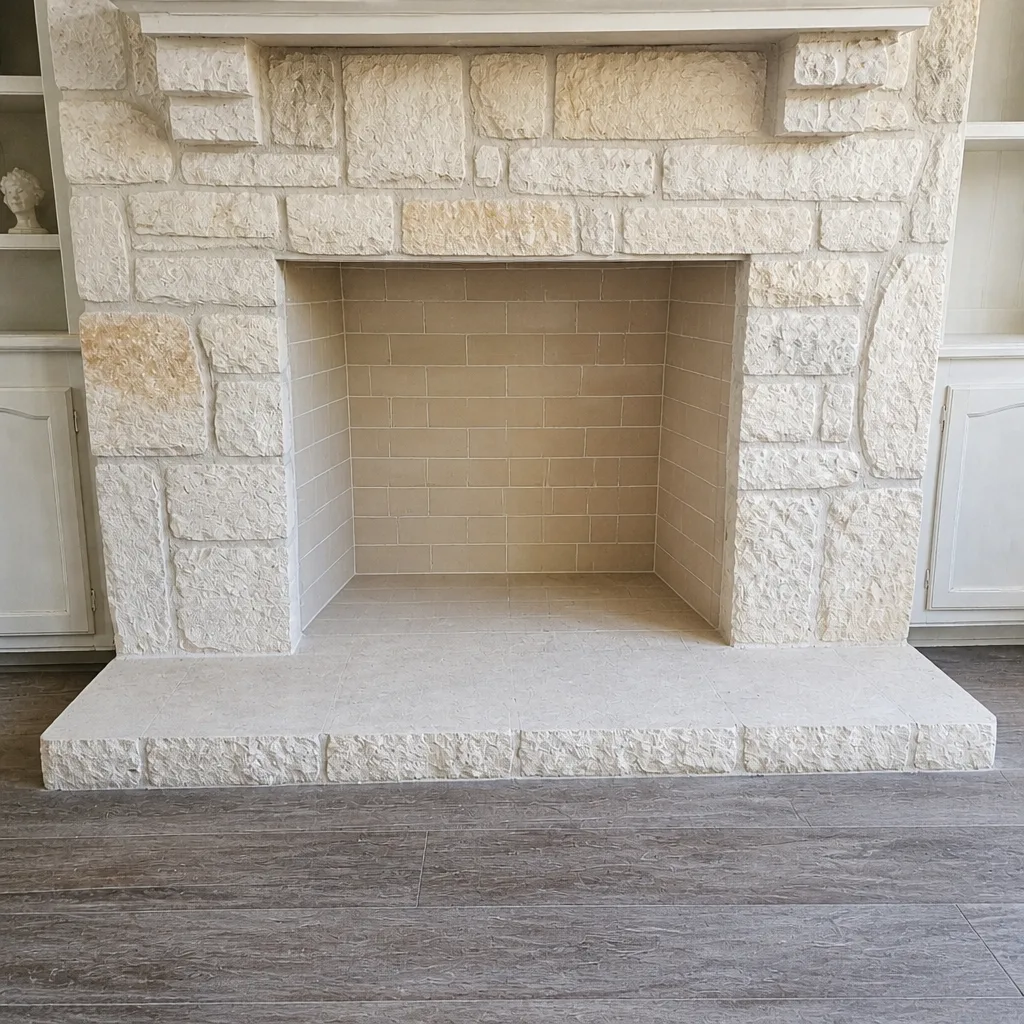
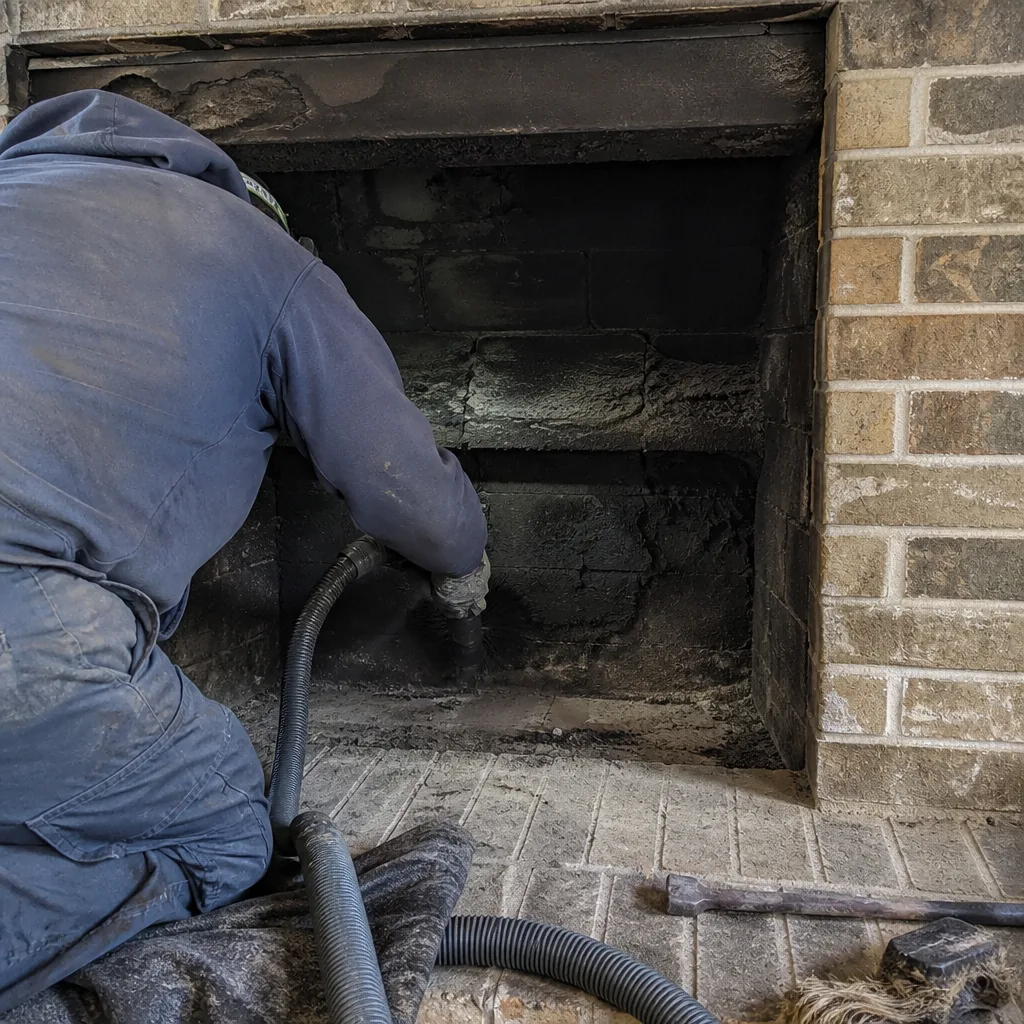
See the difference
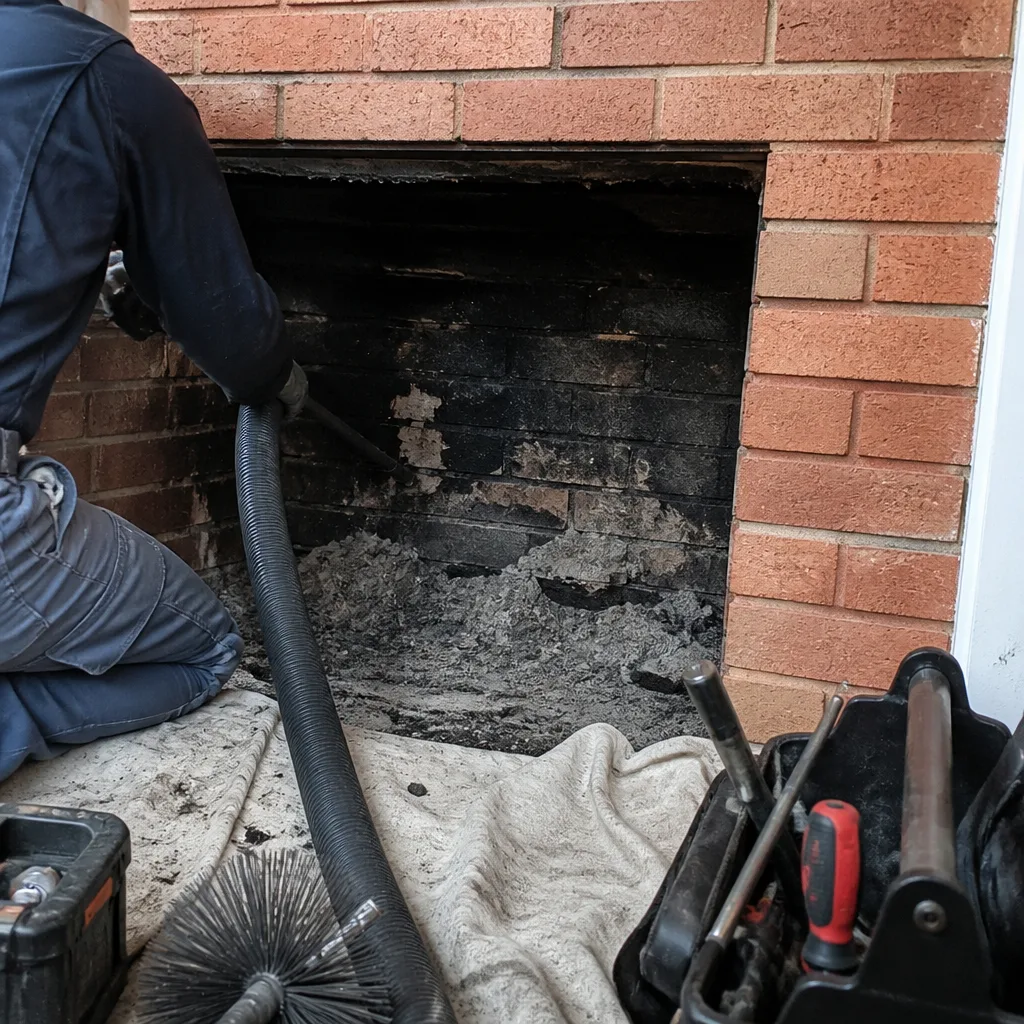 Before
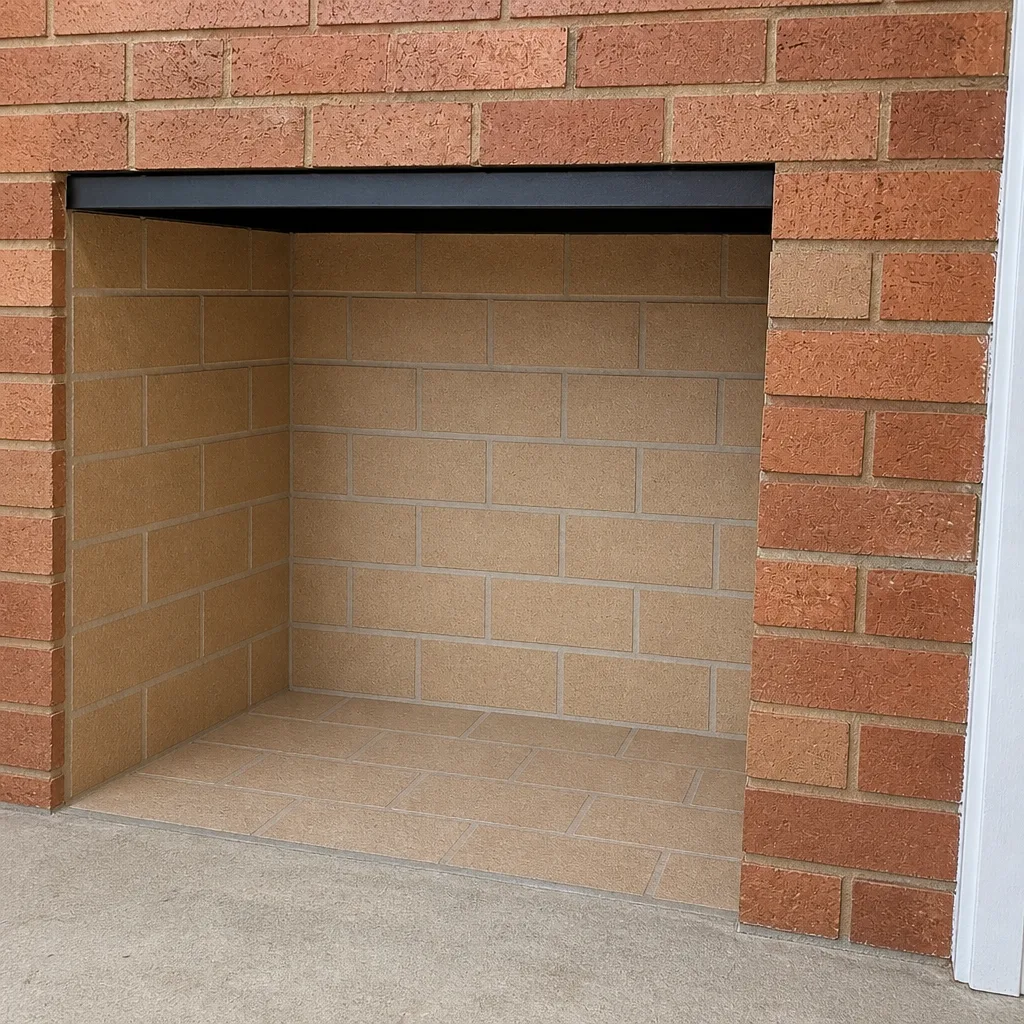 After
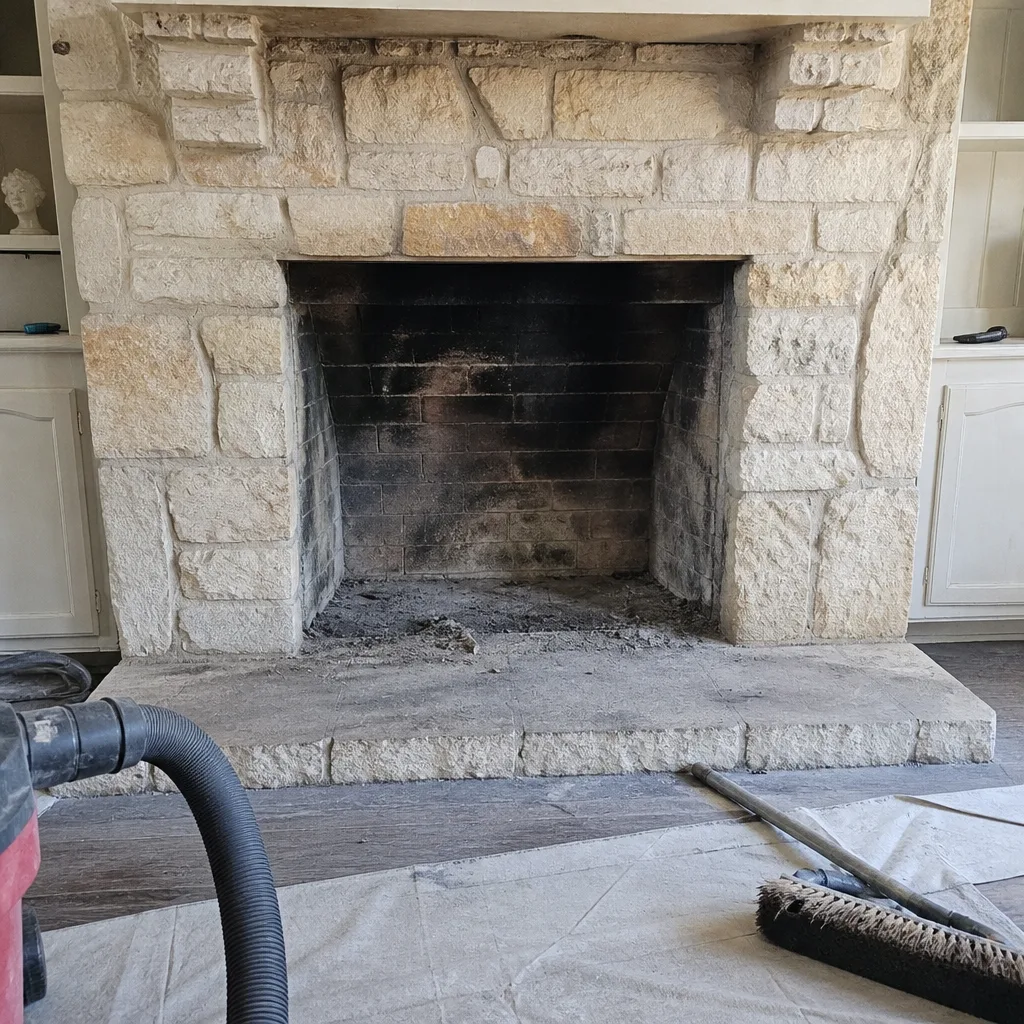 Before
 After
 Before
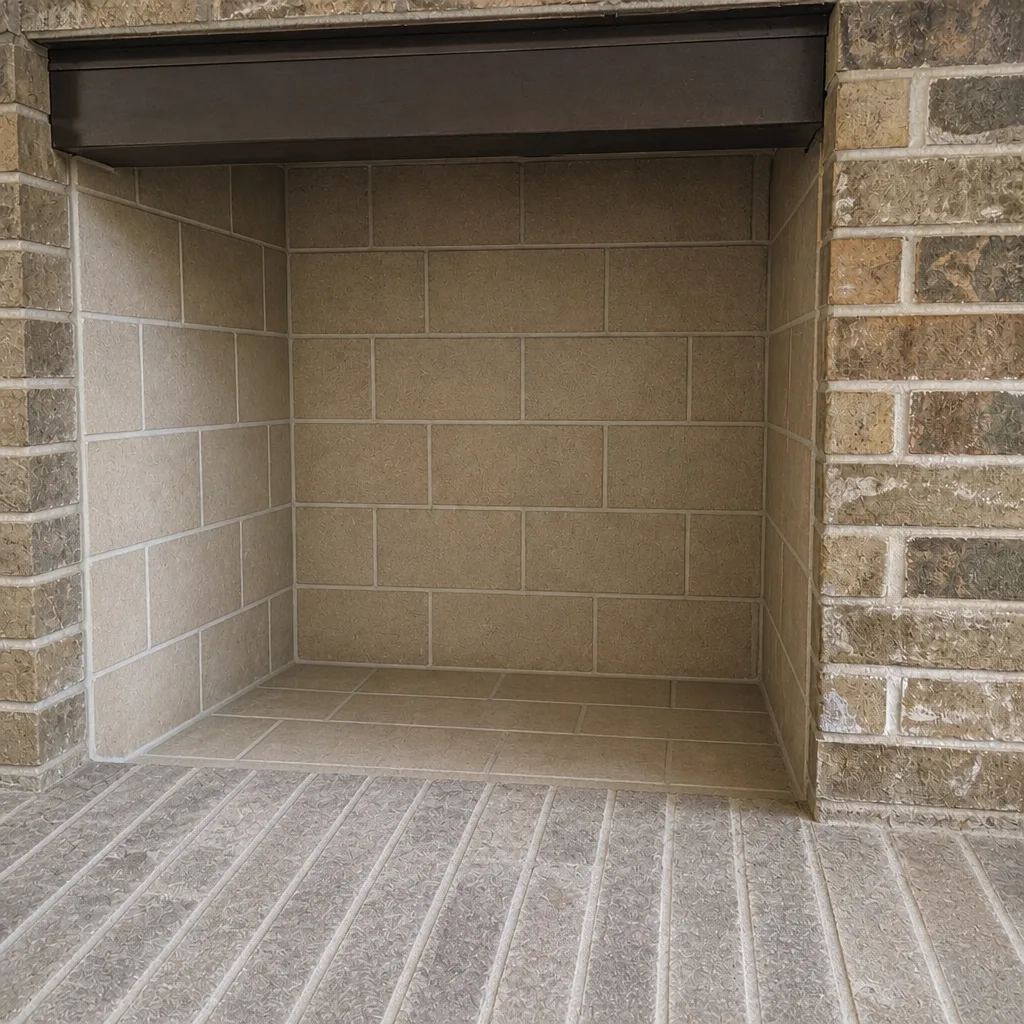 After
When to Call a Professional
Call for any of these: you’re near or past the one-cord mark for the season without a sweep; you smell smoke in the house when there’s no fire; draft feels weak or reversed; the chimney cap, crown, or masonry shows visible damage after a storm; you’ve just bought the house and don’t have inspection records; you’ve had even a small chimney fire; or your dryer is taking longer than an hour to dry a load. Those are all reasons to have a trained professional look, not reasons to keep an eye on it for another season. Chimney Sweep San Angelo offers free estimates in San Angelo. Call (833) 946-3155. We answer 24/7. Fast dispatch from 7am to 7pm, Sunday through Friday. Our technicians have up to 11 years of experience, and the work comes with professional-grade materials we stand behind.
Frequently Asked Questions
At least once a year is the minimum, but in San Angelo we recommend sweeping based on burn volume and wood type. If you burn a cord of mesquite or cedar or more per season, plan on an inspection at the one-cord mark and a sweep whenever a quarter-inch or more of creosote is present. Call (833) 946-3155 for an exact quote. Estimates are free.
Yes. Mesquite and cedar carry more resins and oils than hardwood like oak, and they deposit sticky, first-stage creosote faster. The visible accumulation rate in a West Texas flue burning mesquite is typically higher than for the same cord volume of seasoned oak. Call (833) 946-3155 to schedule an inspection. Estimates are free.
Only if the evidence shows you do. A camera inspection of the flue interior is what determines that, and you should see the footage yourself before anyone recommends a liner. Some flues only need resurfacing with a product like HeatShield, which can restore deteriorating mortar joints without a full replacement. Nothing should be recommended without camera evidence you can look at. Call (833) 946-3155 for an exact quote. Estimates are free.
One skipped year isn’t automatically dangerous, but the risk rises sharply with the creosote load. Thick or glazed creosote is highly combustible, and a chimney fire can start without any obvious warning from inside the house. The safer default is to inspect on schedule and clean when the inspection calls for it. Call (833) 946-3155 to book. We answer 24/7. Fast dispatch from 7am to 7pm, Sunday through Friday.
Every two years is a reasonable baseline for a small household with a short duct run and moderate laundry volume. Once a year is better for a household of four or more, long vent runs, or high laundry volume. Twice a year if the run is unusually long or the household has pets. Warning signs like slow drying or a hot dryer mean call now. Call (833) 946-3155 for an exact quote. Estimates are free.
A Level 1 is the basic accessible visual inspection done during a routine sweep. A Level 2 is more thorough and includes a camera scan of the flue interior, and it’s required after a sale, a fuel-type change, a chimney fire, or a significant storm event. Any recommendation for liner work or resurfacing should be backed by Level 2 evidence you can see. Call (833) 946-3155 to schedule. Estimates are free.
The Bottom Line
The annual sweep is a floor, not a plan. In San Angelo, where mesquite and cedar dominate the woodpile, the schedule that actually protects a home is measured in cords and burn hours, not just calendar months. Sweep annually, inspect at the one-cord mark if you’re burning heavily, check the cap and crown after hail season, and put the dryer vent on the same calendar as the chimney. Keep a log, keep the records, and ask for camera evidence whenever a technician recommends a repair. The goal is a flue that’s ready every season, and a homeowner who knows exactly what condition it’s in. If you want a professional to look at the whole system, the San Angelo team at Chimney Sweep San Angelo is available for a free estimate. Call (833) 946-3155. We answer 24/7. Fast dispatch from 7am to 7pm, Sunday through Friday.
Written by the team at Chimney Sweep San Angelo.