
Last updated November 15, 2026
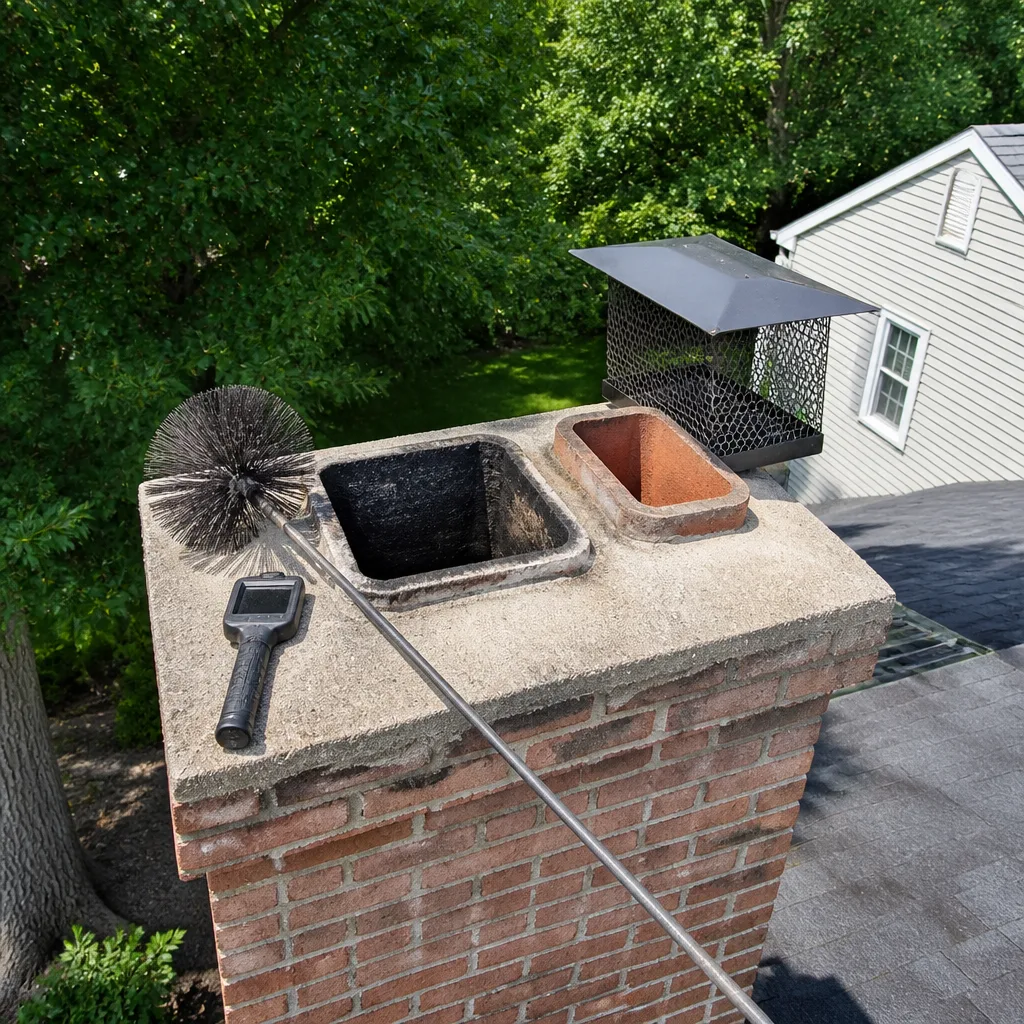 Sweep & inspection
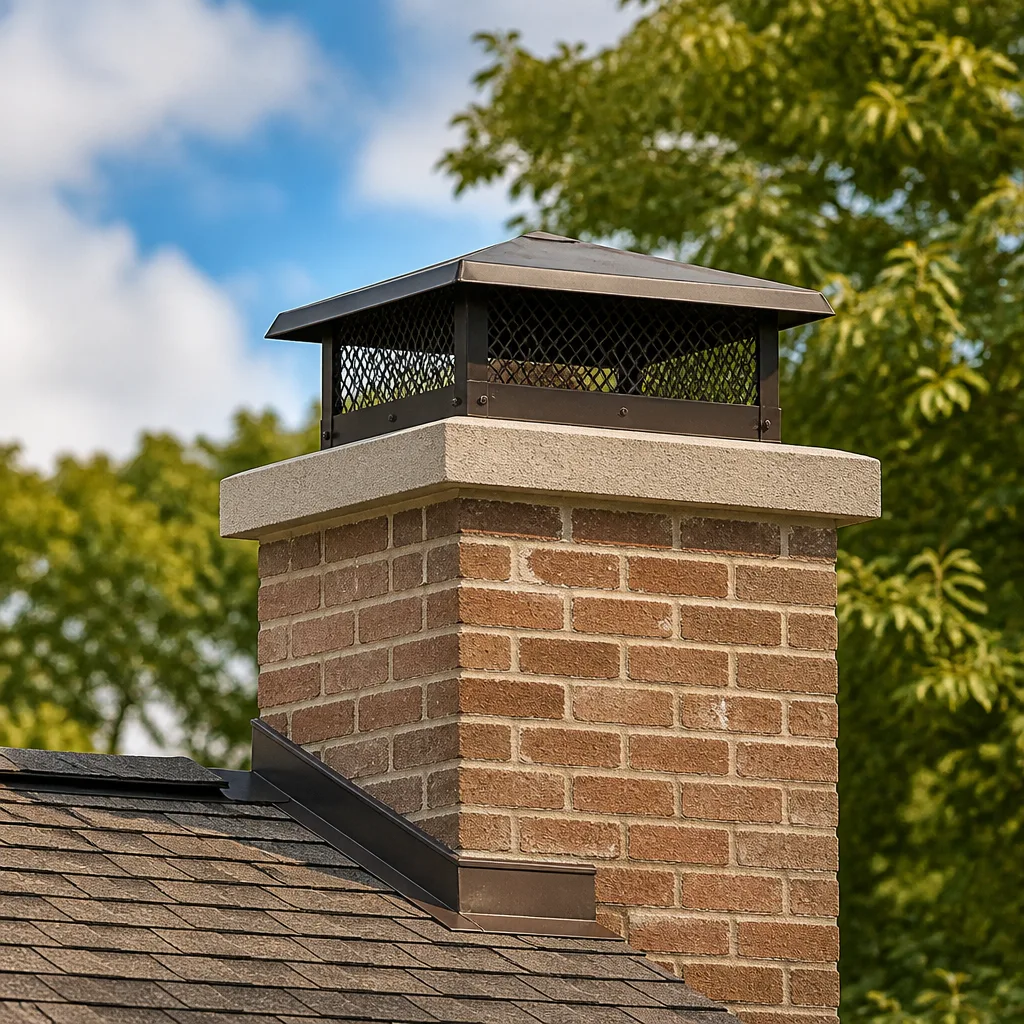 Caps & crowns
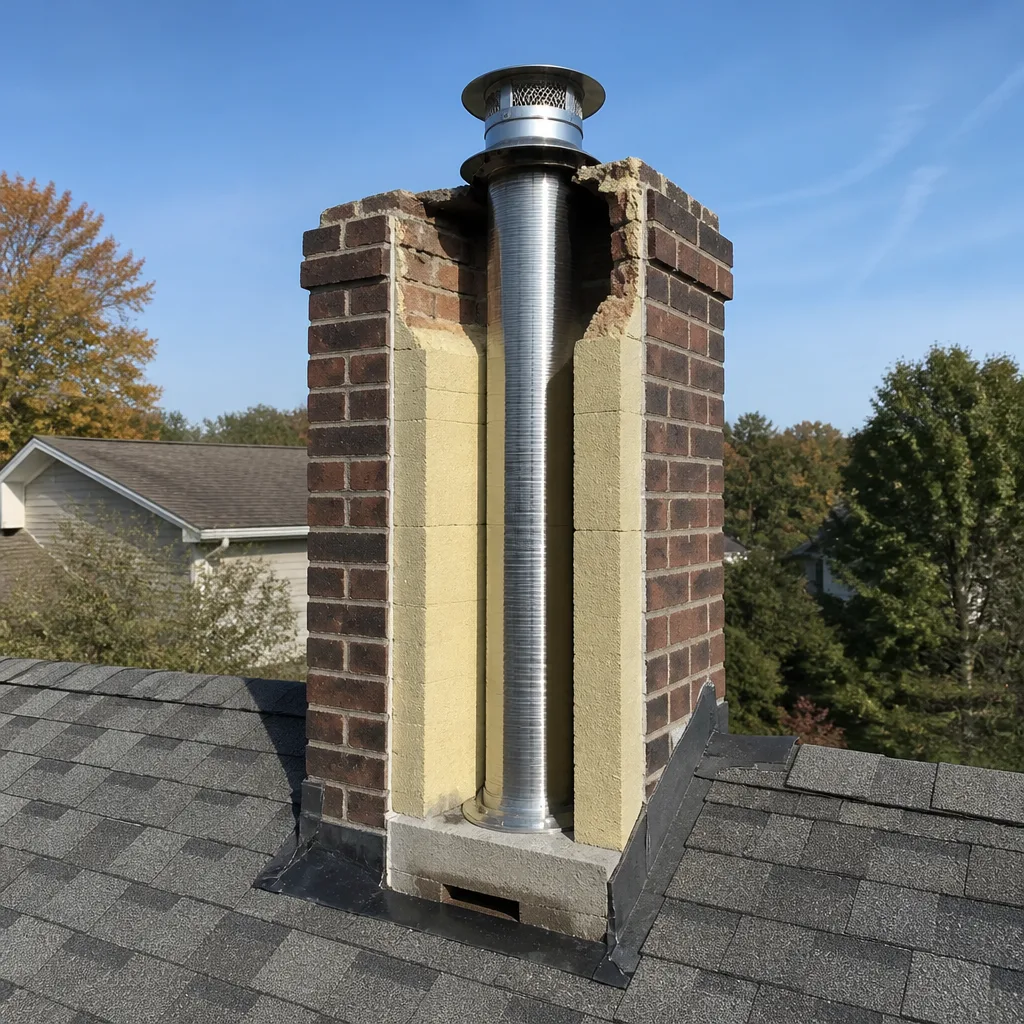 Flue relining
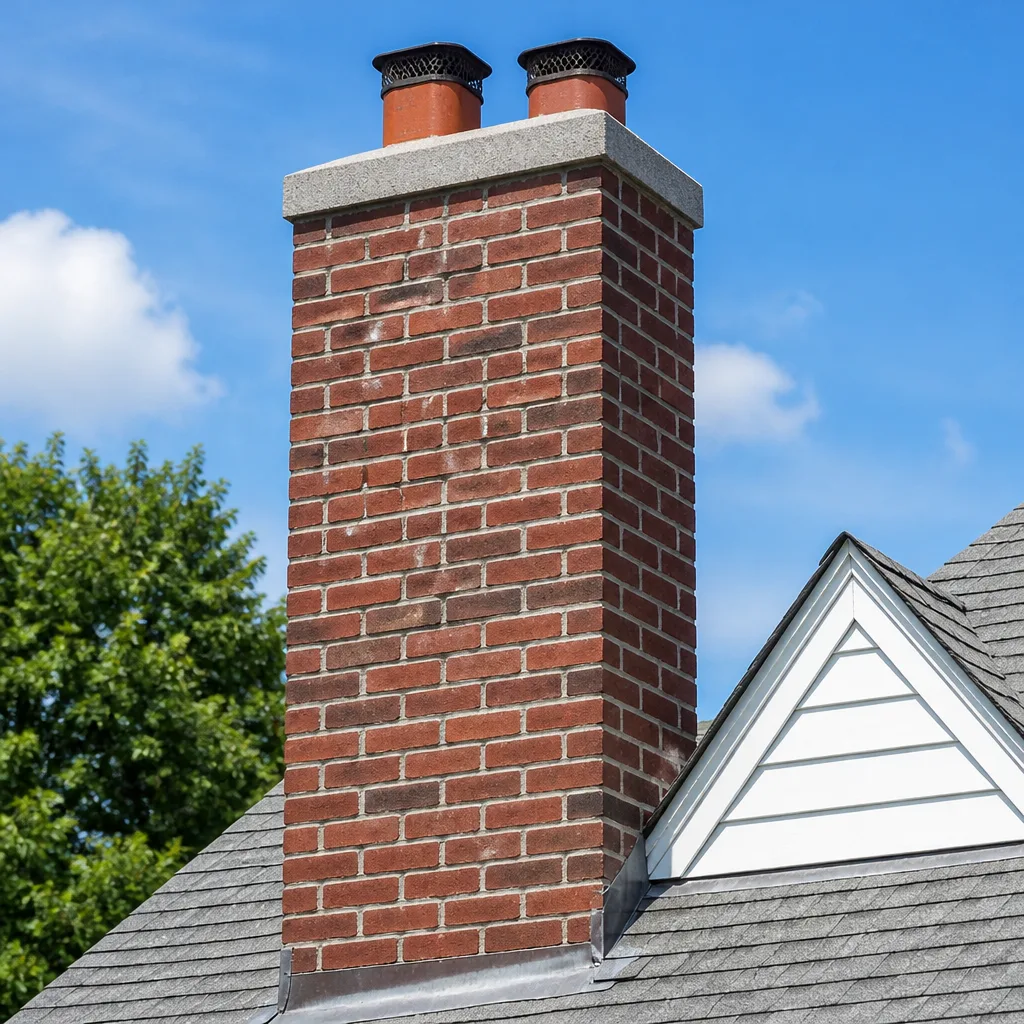 Masonry repair
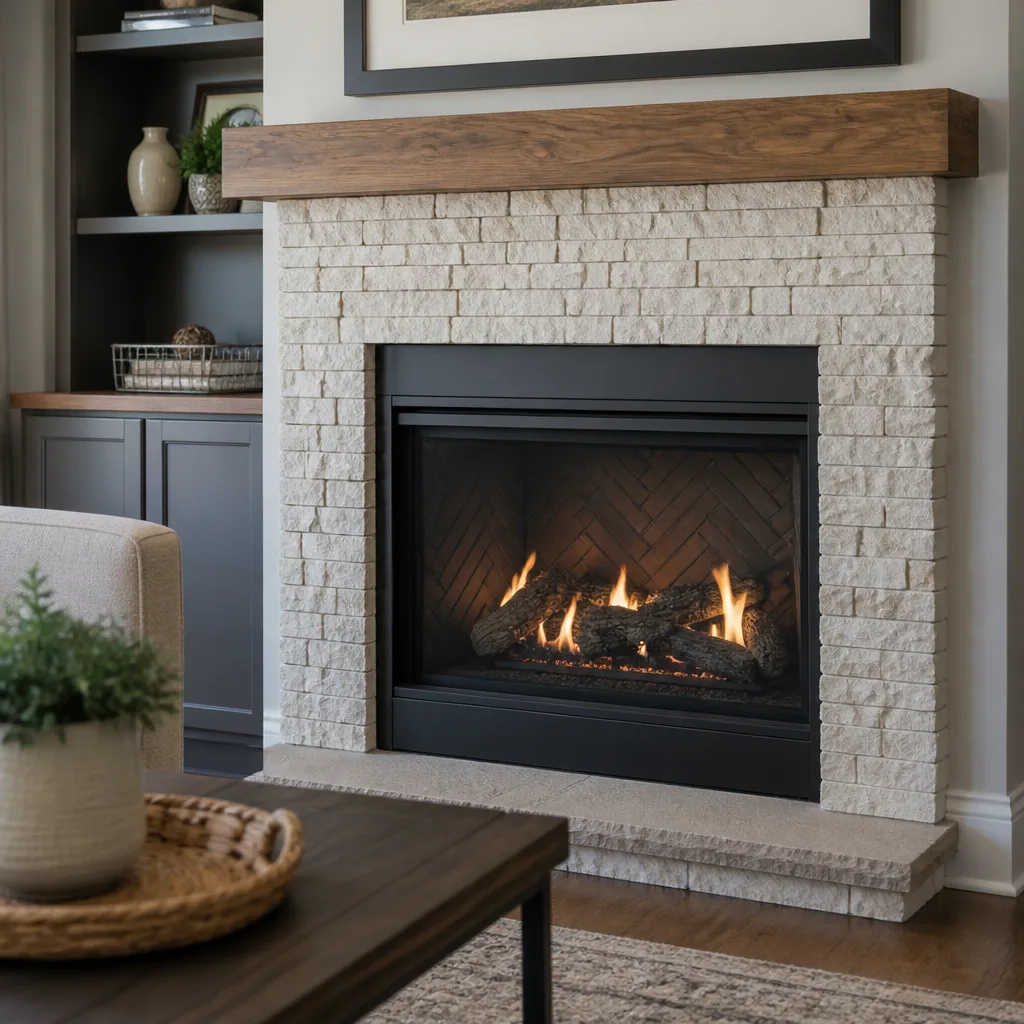 Gas fireplace service
Level 1 sweep and inspection to the NFPA 211 annual standard - flue, crown, cap, and flashing checked and photographed
Chimney sweep logs do not sweep chimneys. They loosen some creosote - which then falls where a brush and vacuum still have to collect it.
Chimney Cleaning Permits, Codes & Inspections in San Angelo, TX: What You Need to Know
Most homeowners in San Angelo assume someone checks their chimney sweep’s credentials before the work begins. In Texas, that check doesn’t exist. Texas is one of the few states with no mandatory chimney sweep licensing, which means the burden of vetting a sweep falls entirely on you, not a licensing board. There’s also no state chimney code that spells out which repairs need a City of San Angelo building permit and which don’t. That gap confuses a lot of people, especially at resale when a buyer’s inspector starts asking for paperwork. This guide walks through what actually triggers a permit in San Angelo and Tom Green County, how NFPA 211 fills the hole left by state law, what a Level 2 inspection legally requires, and what to ask your sweep for in writing so your insurance company and a future buyer both get what they need.
Quick Answer
Texas has no statewide chimney licensing or dedicated chimney code, so chimney work in San Angelo is governed by City of San Angelo building permits where structural changes are involved, NFPA 211 as the accepted installation and repair standard, and your homeowner’s insurance policy. Cleaning and routine maintenance don’t require a permit; new installations, liner replacements, and structural firebox or masonry repair usually do. A Level 2 inspection is required at property sale and after any chimney fire, earthquake, or other event that may have damaged the system.
Styles & brands we work with
- Sweep & inspection
- Caps & crowns
- Flue relining
- Masonry repair
- Gas fireplace service
Table of Contents
- Which Chimney Jobs in San Angelo Need a Building Permit?
- Why NFPA 211 Is the Real Code in Texas
- What a Level 2 Inspection Requires and When It’s Mandatory
- How Unpermitted Work Affects Insurance and Your Property Sale
- What to Request From Your Sweep in Writing
- How San Angelo’s Climate and Housing Stock Shape the Work
- How to Vet a Chimney Sweep in a State With No Licensing
- Common Mistakes to Avoid
Which Chimney Jobs in San Angelo Need a Building Permit?
Sweeping, cleaning, and cap replacement are maintenance and don’t need a permit in San Angelo. Installing a new chimney, replacing a flue liner with a different material or diameter, and structural masonry or firebox repair that alters the chimney’s footprint usually do. When in doubt, call the City of San Angelo building department and describe the job; a two-minute call spares you a headache later.
Here’s how the typical split looks in practice:
- No permit typically needed: brushing and sweeping, creosote removal, cap and top-plate replacement, flue tile repair using a resurfacing product, dryer vent cleaning, and light masonry repointing that doesn’t change the structure.
- Permit usually required: new chimney construction, full chimney demolition and rebuild, changing from an open fireplace to a wood-burning insert or gas appliance, installing a new liner where the flue is being materially altered, and any work affecting the chimney’s structural tie to the house.
- Ask before you assume: replacing an existing liner with the same type and diameter is often treated as repair rather than new construction, but the City of San Angelo has the final say. Get the answer in writing from the building department before booking the job.
How the permit process actually works in San Angelo
- Your contractor describes the scope to the City of San Angelo permit office and confirms whether a permit is required.
- If required, the contractor pulls the permit and includes the number on the estimate and final invoice.
- Work proceeds to the applicable standard (NFPA 211 for chimney systems).
- The work is inspected and the permit closed out.
- You keep a copy of the permit, the inspection sign-off, and the contractor’s written scope statement for your records and for resale.
For repair work that doesn’t need a permit, the standard of care is still NFPA 211, and a good sweep will document what was done and to what spec. Ask any contractor who says a permit isn’t needed to put that in writing with the scope of work. If the answer doesn’t match what the City of San Angelo tells you, don’t hire them. Our Chimney Sweep San Angelo team works through that permission question on every repair job before anything is ordered, so you’re never surprised at inspection or resale.
Why NFPA 211 Is the Real Code in Texas
NFPA 211, the Standard for Chimneys, Fireplaces, Vents, and Solid Fuel-Burning Appliances, is the de facto installation and repair standard in San Angelo and across Texas. It fills the gap left by the absence of a state chimney code, and it’s what a home inspector, insurance adjuster, and permit reviewer will reference when judging whether the work was done correctly. If someone asks what “to code” means for your chimney in Texas, the honest answer is NFPA 211 plus local amendments.
NFPA 211 covers the parts of the job that most affect safety and insurability:
- Clearances from combustible materials to the chimney and flue.
- Flue sizing relative to the appliance connected to it.
- Chimney height above the roof relative to the roofline and nearby structures.
- Liner requirements for wood-burning appliances, including the requirement that a liner be listed for the appliance it serves.
- Inspection frequency and the three levels of inspection.
In our experience, most code violations we see in San Angelo homes trace back to a liner that was sized for something other than what’s connected to it, or a chimney that was originally built for one appliance and later repurposed. A wood-burning insert added into an original open fireplace without a properly sized liner is a common one. So is a gas appliance vented into an oversized flue, which runs cold and drafts poorly. Both are NFPA 211 issues, both are fixable, and both come up at resale if the paperwork doesn’t line up.
What “professional-grade” means in this trade
Because there’s no state license to check, product specification is one of the clearest signals that a sweep knows the standard. A liner system like DuraFlex is listed and labeled for its intended use; off-brand substitutes often aren’t. HeatShield resurfacing compound is engineered to restore a deteriorated flue interior to a serviceable condition, which is a different job from pouring generic mortar into a chimney. Caps from Olympia Chimney, Famco, or Copperfield are sized and rated for a specific flue diameter and profile. Choosing a listed product over a hardware-store substitute is the practical difference between work that meets NFPA 211 and work that just looks finished.
What a Level 2 Inspection Requires and When It’s Mandatory
A Level 2 inspection is a visual inspection of the accessible portions of the chimney and venting system, including the firebox, flue interior, and where accessible, the attic, crawlspace, and chimney exterior, with video scanning of the flue interior where conditions warrant. It’s more thorough than the Level 1 you’d get during a routine sweep and is required by NFPA 211 whenever the property changes hands, the appliance or fuel type changes, an event has potentially damaged the system, or the system has had a change in its operating condition.
In San Angelo, the situations that trigger a Level 2 most often are:
- Property sale: the buyer’s inspector will request documentation, and a Level 2 report is what they’re looking for.
- A chimney fire: even a small one can crack flue tiles or warp a liner. A Level 2 tells you what actually happened.
- A change in appliance or fuel type: converting from wood to gas, adding an insert, or replacing a freestanding stove.
- A dramatic event that may have damaged the system: a lightning strike, a nearby structural fire, or a severe storm that moved the chimney cap or damaged the crown.
- A change in how the chimney performs: new smoking, a new smell, or a sudden downdraft where the fireplace used to draw fine.
What you should receive from a Level 2 inspection
A legitimate Level 2 report includes the inspection findings, a description of any problems with photos or video captured during the inspection, and a written statement of what should be repaired and in what priority. If you don’t get photos or video of what the sweep is describing, ask for it. We built our inspection process around that expectation, and it’s the part of the job that most reassures homeowners worried they’re being told they need work they can’t verify. In our experience, a homeowner who can see the cracked tile in a photo never questions the recommendation, and a sweep who can’t produce that photo probably shouldn’t be recommending the repair.
How Unpermitted Work Affects Insurance and Your Property Sale
Unpermitted chimney work can complicate a homeowner’s insurance claim and slow a property transfer in San Angelo. Whether your policy responds to a specific claim depends on the policy, but the practical risk is real: if a chimney fire or carbon monoxide event traces back to a liner or firebox that wasn’t installed to NFPA 211 and wasn’t permitted where a permit was required, the adjuster has questions you may not be able to answer.
The resale side is more predictable. A buyer’s inspector will look at the chimney, ask for a Level 2 report, and in many cases ask for proof that any recent repair was permitted and inspected. If the answer is “the last owner had it done but there’s no paperwork,” you’re negotiating from a weak position. The fix is to have the documentation on hand before you list.
What protects you at resale
- A current Level 2 inspection report with photos and video of the flue interior.
- The permit number and inspection sign-off for any permitted work.
- A written scope statement from the contractor describing what was repaired and to what standard.
- Product documentation for any liner, cap, or resurfacing product installed, showing the manufacturer and any listing or certification.
None of this is exotic. It’s the same paperwork any tradesperson doing permitted work in San Angelo should provide, and a sweep who works to NFPA 211 produces it as a matter of course.
What to Request From Your Sweep in Writing
The most important thing you can do in a state without chimney licensing is to get the right documentation before, during, and after the job. Every chimney sweep in San Angelo should be willing to provide the following in writing without being pressed. If they’re not, that’s the answer you needed.
- Written scope of work before the appointment. What’s included in the sweep, what’s excluded, and what the price will be. An estimate that changes the day of the job because “we found more” is a red flag; the written estimate should be the price, and any change should be your choice, in writing.
- Certificate of insurance. General liability at minimum, and a copy current as of the date of the job. If you never see it, you don’t have it.
- Camera photos or video of the flue before and after the work. If a repair is recommended, ask for the specific photo or video evidence of the problem.
- A written inspection report. Level 1 findings or a full Level 2 report, signed and dated, with the technician’s name and the scope of what was inspected.
- Product specification for any liner, cap, or resurfacing product installed. Manufacturer, product name, listing or certification, and date of installation. Keep this with your home records.
- Permit documentation where a permit was pulled. Permit number, scope, and inspection sign-off.
If you’re selling a home in San Angelo, or you’ve just bought one, gather these items before the buyer’s inspector shows up. If you’re staying put, keep them in the same file as your HVAC and roof records. Chimney documentation isn’t glamorous, but it’s what an insurance adjuster and a buyer’s inspector will look for first when something goes wrong or money changes hands.
How San Angelo’s Climate and Housing Stock Shape the Work
San Angelo winters are mild by national standards, which changes the chimney conversation compared to colder parts of the country in a way that’s easy to miss. The dominant chimney risk here isn’t freeze damage to masonry; it’s what builds up because the fireplace gets used in a stop-and-start pattern through the fall and winter, with long stretches of disuse. That pattern produces creosote in cooler, slower-burning conditions and lets plant debris, dust, and critter activity accumulate in the flue and cap between seasons.
West Texas wind and dust are also part of the picture. A chimney cap that’s rattled loose or a crown that has cracked lets wind-driven dust and rain into the flue, which shortens the life of the flue tile and can encourage the flue to draft poorly when it’s first lit. A cap from Olympia Chimney or Famco fitted to the actual flue diameter is a small, cheap fix compared to relining.
What we look for in a San Angelo home
- Creosote staging in the flue, especially in homes where the fireplace is used in warmer weather or with green wood.
- Flue tile cracking near the top of the chimney, where temperature swings are sharpest.
- Liner sizing mismatched to the appliance, common in homes where an insert was added to a pre-existing fireplace.
- Cap condition, crown condition, and whether the cap is properly sized to the flue.
- The dryer vent, which is part of the same venting system we cover on our dryer vent cleaning side of the business. Dryer fires are among the most common home fires, and a blocked vent is difficult for a homeowner to inspect for themselves.
Older homes in and around San Angelo often have original masonry chimneys that have been added to or modified over the years. That’s the housing stock where a full inspection earns its keep. The newer construction we see usually has more straightforward venting but is often under-capped, which lets wind-driven dust in.
How to Vet a Chimney Sweep in a State With No Licensing
Since Texas doesn’t license chimney sweeps, the vetting process has to be done by you, and it needs to be methodical. The good news: the questions that matter are mostly about documentation and product knowledge, not credentials a licensing board would issue anyway.
Questions to ask before you book
- What standard do you work to? The answer should be NFPA 211. If a sweep can’t say the standard, they don’t know it.
- What’s your written scope of work? You should get it in writing before the appointment, including what’s included and the price.
- Can I see your current certificate of insurance? A professional will send it without hesitation.
- Will I get photos or video of the flue? Yes is the correct answer. No is a discipline problem, not a pricing one.
- What products do you install? A sweep who specifies DuraFlex for liners, HeatShield for flue resurfacing, and caps from Gelco, Olympia Chimney, Famco, or Copperfield is working from a professional catalog, not a hardware-store shelf.
- Will you tell me in writing whether a permit is needed? The answer should be specific to the job, not a general “you don’t need one.”
What a good sweep will never do
- Quote a repair over the phone without seeing the flue.
- Recommend a full reline when a resurfacing product would solve the problem.
- Refuse to show you the photos of what they found.
- Tell you a permit isn’t needed without describing the specific job.
If you want to start with the basic service and see how a chimney sweep in San Angelo actually works, our chimney sweep page walks through what a routine visit includes so you know what to expect. For residents just getting oriented to how chimney and venting work fits together in this part of Texas, our San Angelo overview is a useful place to start.
Common Mistakes to Avoid
- Assuming Texas has a chimney license to check. It doesn’t. The vetting work is yours, and the questions above are how you do it.
- Letting a liner replacement happen without asking about permits. Even when a permit isn’t required, ask the contractor to put that in writing with the scope. If it turns out a permit was required, you have a paper trail showing you asked.
- Skipping the Level 2 inspection at resale. Buyers ask for it. Sellers who have it ready close faster. Sellers who don’t end up negotiating thousands off the price for a problem they might have fixed cheaply.
- Accepting “you need a new liner” without photos. A proper recommendation comes with a photo or video of the actual problem. If you don’t see it, don’t buy it.
- Replacing a cap with a hardware-store unit that doesn’t match the flue diameter. A cap that’s too small or badly fitted lets in wind-driven dust and rain, which is a real issue in San Angelo.
- Ignoring the dryer vent because the chimney passed inspection. They’re separate systems, and the dryer vent is a leading cause of home fires. A sweep visit that skips the dryer vent leaves a real hazard unaddressed.
- Hiring a sweep who won’t put a price in writing before the visit. The written estimate should be the price. If it changes after the visit, ask why in writing.
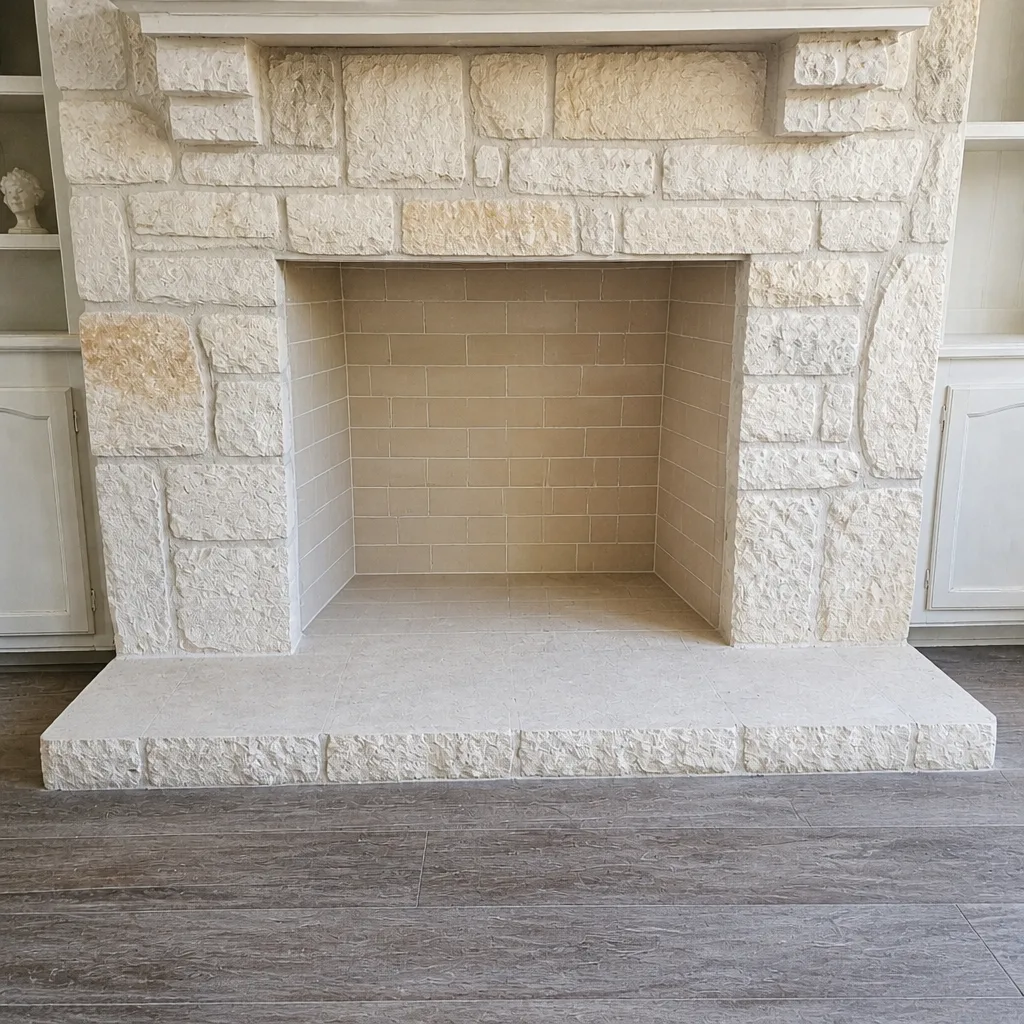
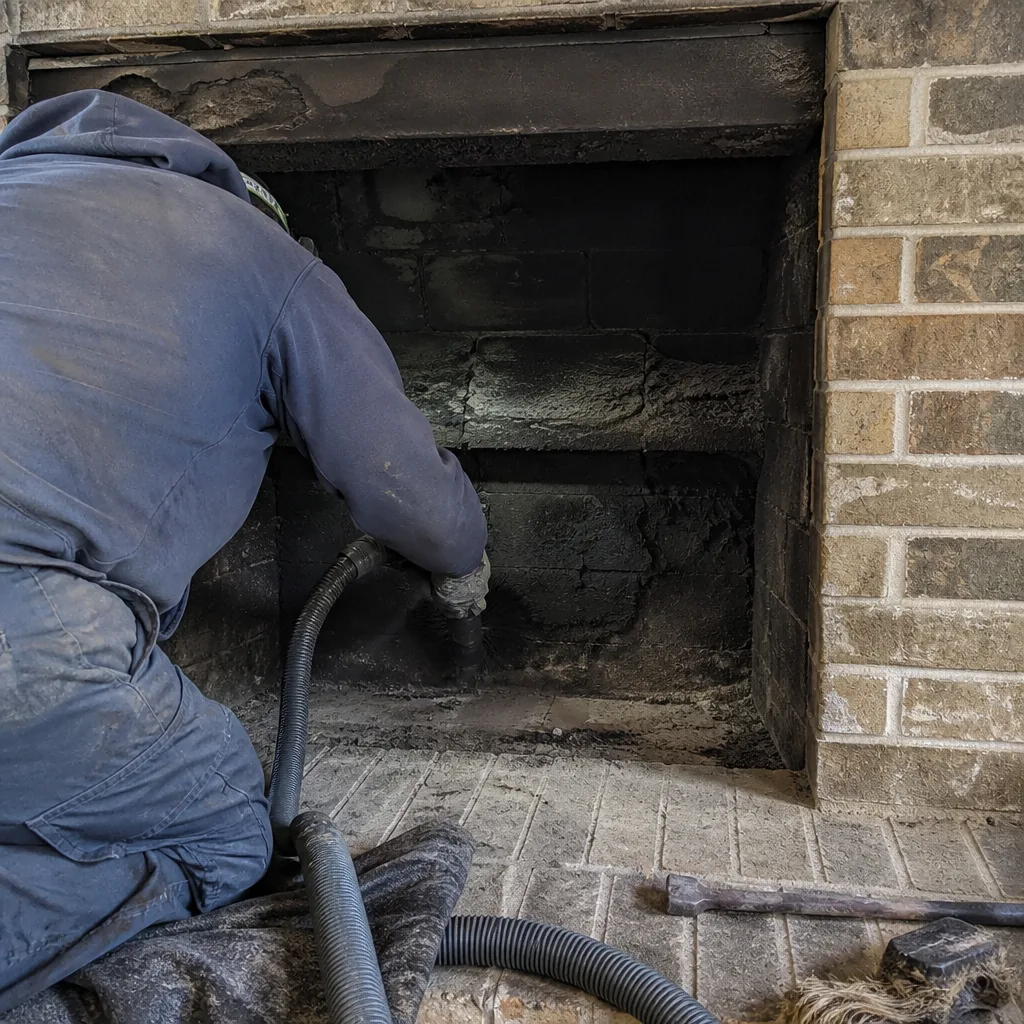
See the difference
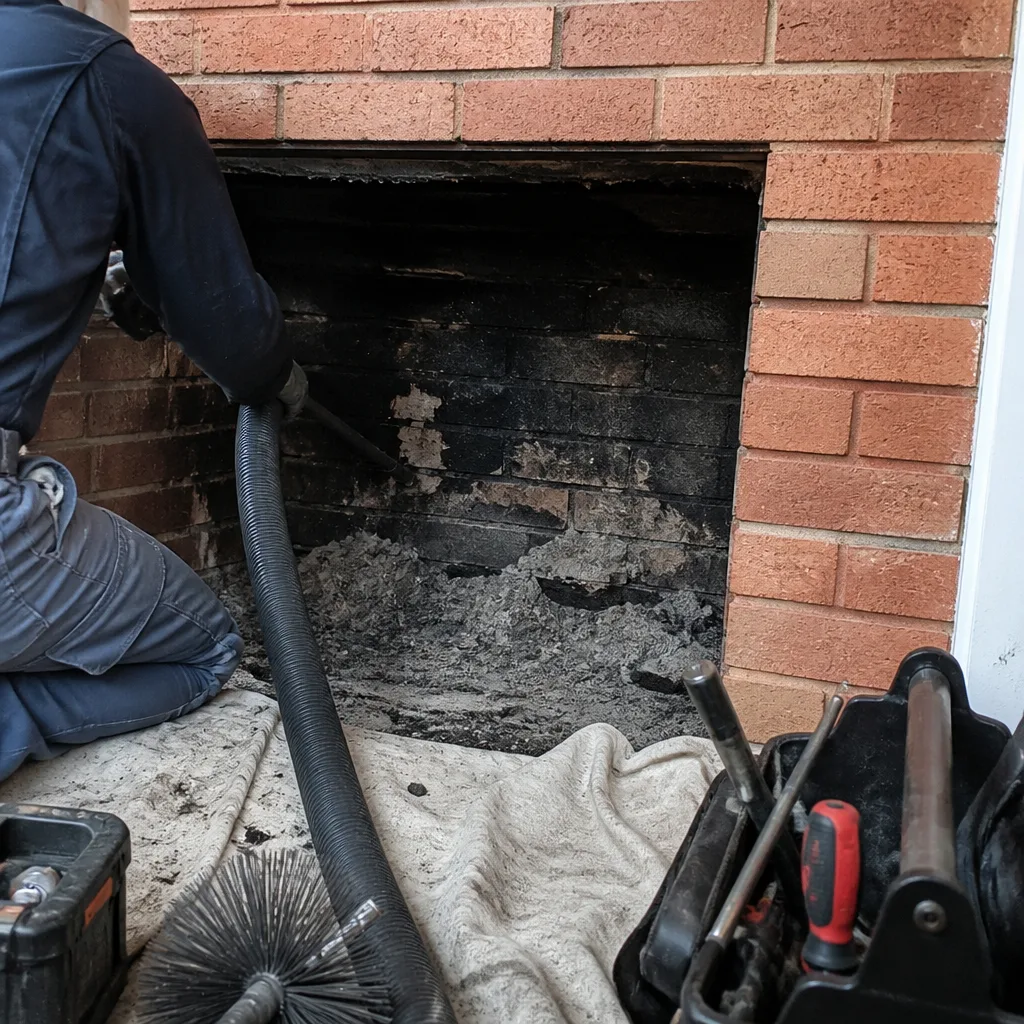 Before
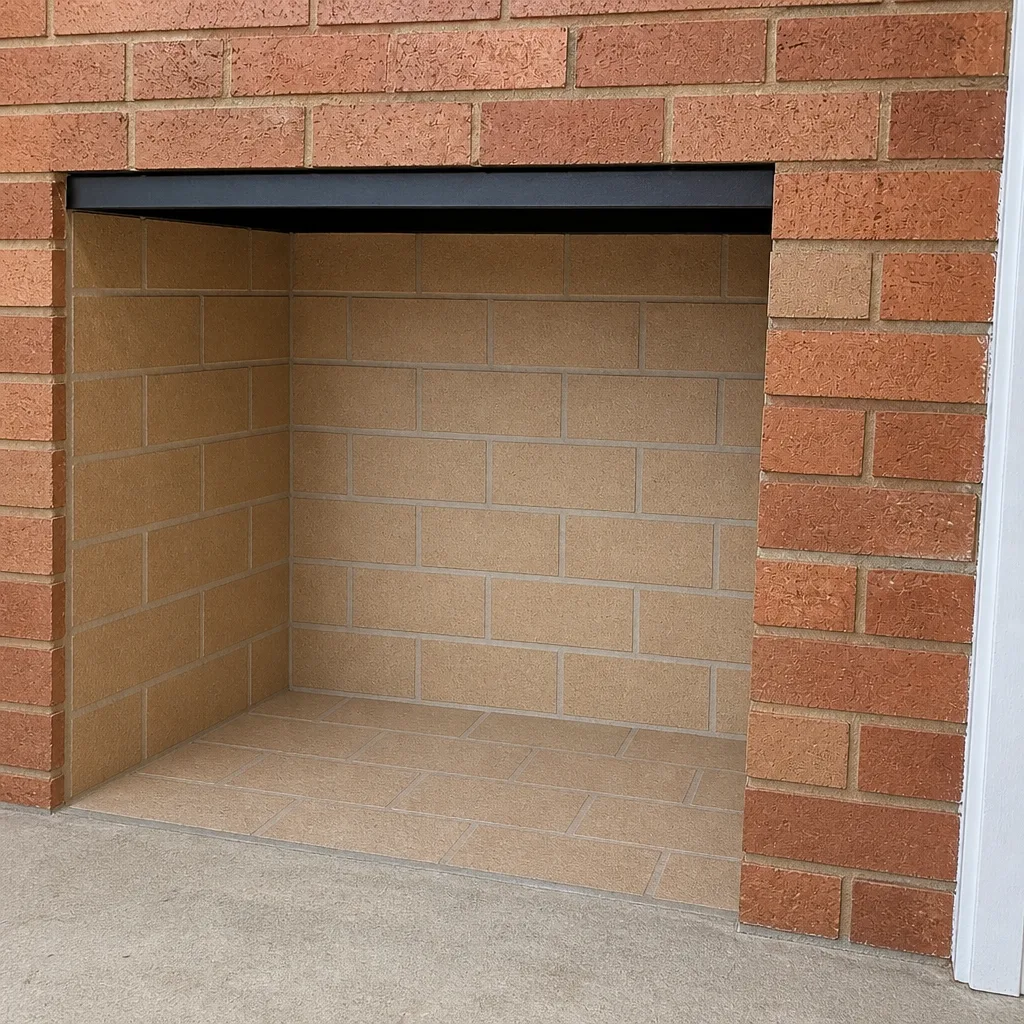 After
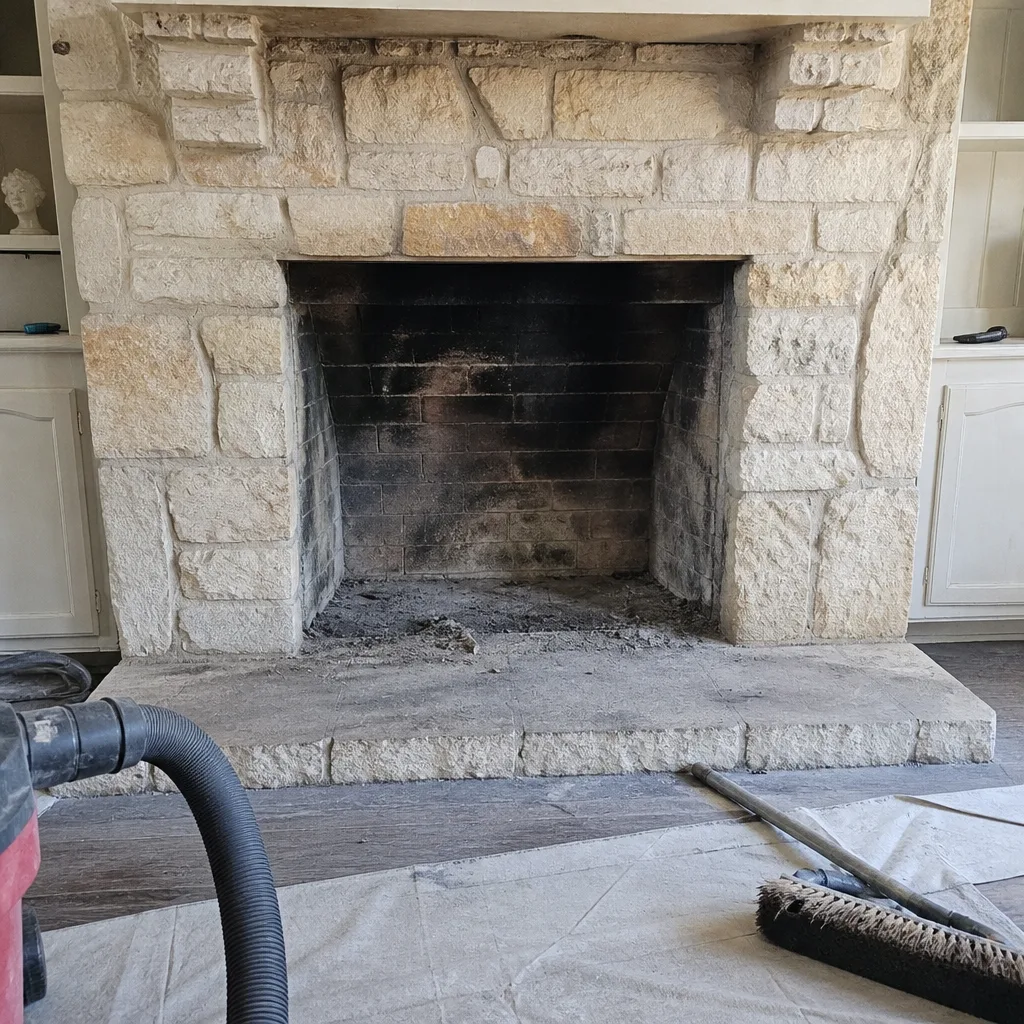 Before
 After
 Before
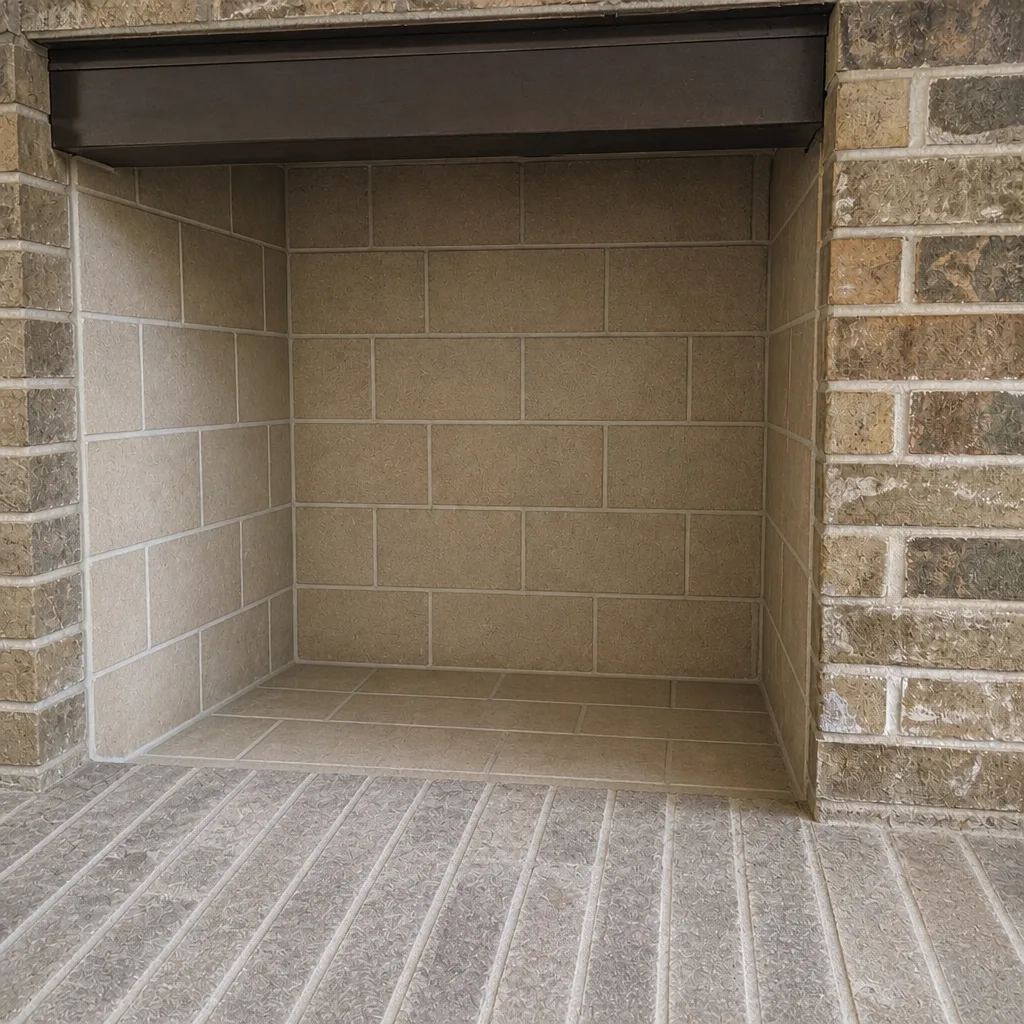 After
When to Call a Professional
You need a professional for anything involving the flue interior, the liner, the firebox, structural masonry, or the dryer vent, because those are the parts of the system where a mistake creates a real safety risk. You also need a professional for a Level 2 inspection before a property sale, after any chimney fire or event that may have damaged the system, and any time you’re changing the appliance or fuel source connected to the chimney. Beyond those, some signs a San Angelo homeowner shouldn’t sit on: a fireplace that smokes when it used to draw well, a strong creosote smell, a cap that has rattled loose, a dryer that’s taking longer to dry clothes than it used to, or a chimney that hasn’t been swept in more than a year of active burning. Chimney Sweep San Angelo offers free estimates in San Angelo – call (833) 946-3155. We answer 24/7. Fast dispatch from 7am to 7pm, Sunday through Friday.
Frequently Asked Questions
No. Sweeping, cleaning, and cap maintenance are considered routine maintenance and don’t require a City of San Angelo building permit. A permit is typically only triggered by new chimney construction, a liner change that materially alters the flue, or structural masonry or firebox work. Call (833) 946-3155 for an exact quote – estimates are free.
No. Texas does not have a mandatory statewide chimney sweep licensing program, which means you can’t look up a sweep in a state license database the way you would an electrician or a plumber. The burden of vetting falls on the homeowner, and the questions above (written scope, certificate of insurance, photos of the flue, NFPA 211 as the working standard) are how you do it. Call (833) 946-3155 for an exact quote – estimates are free.
A Level 2 inspection is required by NFPA 211 when a property changes hands, when the appliance or fuel type changes, after any event that may have damaged the chimney (including a chimney fire or lightning strike), and any time the system’s operating condition has changed. For a sale, the buyer’s inspector will typically ask for the Level 2 report, so it’s worth having it on hand before you list. Call (833) 946-3155 for an exact quote – estimates are free.
Whether a specific claim is covered depends on the policy, but unpermitted liner or firebox work can complicate a claim if a fire or carbon monoxide event traces back to work that wasn’t done to NFPA 211 and wasn’t permitted where a permit was required. The best protection is documentation: the written scope, the permit number where applicable, the inspection sign-off, and product spec sheets for any liner or resurfacing product installed. Call (833) 946-3155 for an exact quote – estimates are free.
Cost varies by chimney configuration, access, and whether the flue can be scanned directly, so the estimate has to be based on your specific system. The written estimate sets the final price, and we don’t promise a number before we see the flue. Call (833) 946-3155 for an exact quote – estimates are free.
Ask what standard they work to (NFPA 211 is the correct answer), whether they’ll put the scope and price in writing before the appointment, whether you’ll get photos or video of the flue interior, and what products they install. A sweep who specifies DuraFlex, HeatShield, and name-brand caps from makers like Olympia Chimney or Famco is working from a professional catalog rather than generic hardware-store supplies. Call (833) 946-3155 for an exact quote – estimates are free.
The Bottom Line
Texas doesn’t have a chimney sweep license program or a dedicated state chimney code, and that puts the vetting burden on you. In San Angelo, the framework that actually governs the work is the City of San Angelo building permit process for new construction and structural changes, NFPA 211 as the accepted installation and repair standard, and your homeowner’s insurance policy. Cleaning and routine maintenance usually don’t need a permit; new installs, liner changes, and structural firebox work usually do. A Level 2 inspection is required at property sale, after a chimney fire or similar event, and any time the system’s condition changes. Get everything in writing: scope, insurance, photos, product specs, and permit documentation where applicable. That paperwork is what protects you at resale, at claim time, and when you’re standing in your living room trying to decide whether the person who just quoted you a reline is telling the truth. If they can’t show you the photo, don’t buy it.
For chimney work in San Angelo that’s documented, product-specified, and honest about what’s maintenance versus what needs a permit, give us a call. We answer 24/7, and fast dispatch runs from 7am to 7pm, Sunday through Friday.
Call (833) 946-3155 for a free estimate.
Written by the team at Chimney Sweep San Angelo.