
Last updated November 15, 2026
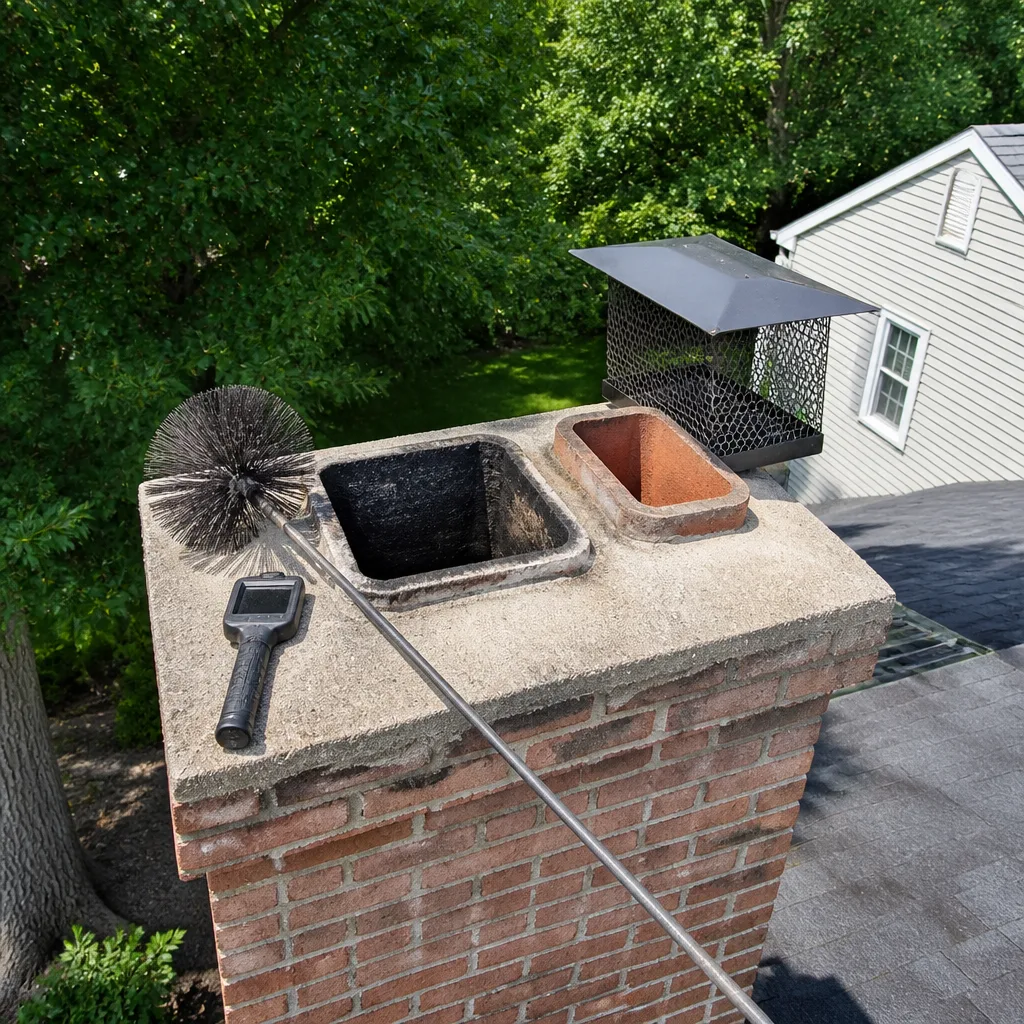 Sweep & inspection
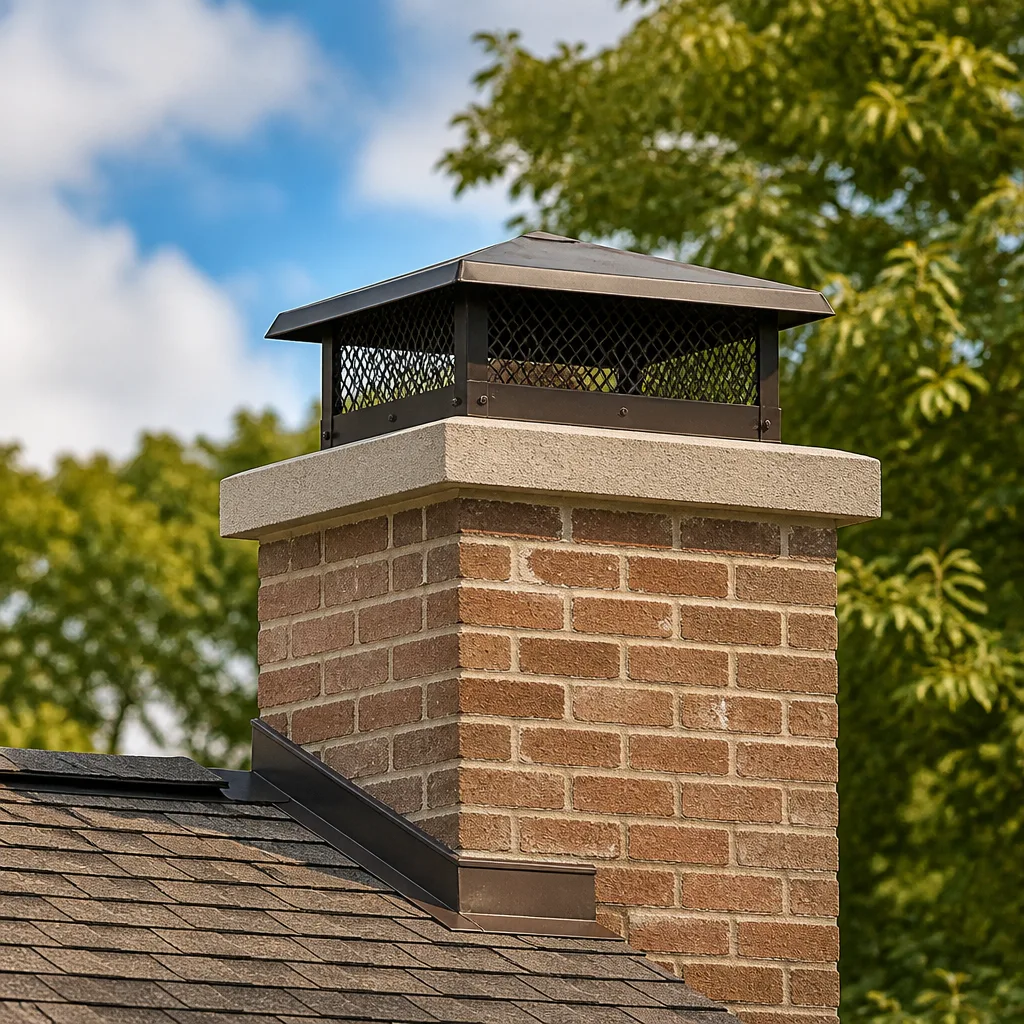 Caps & crowns
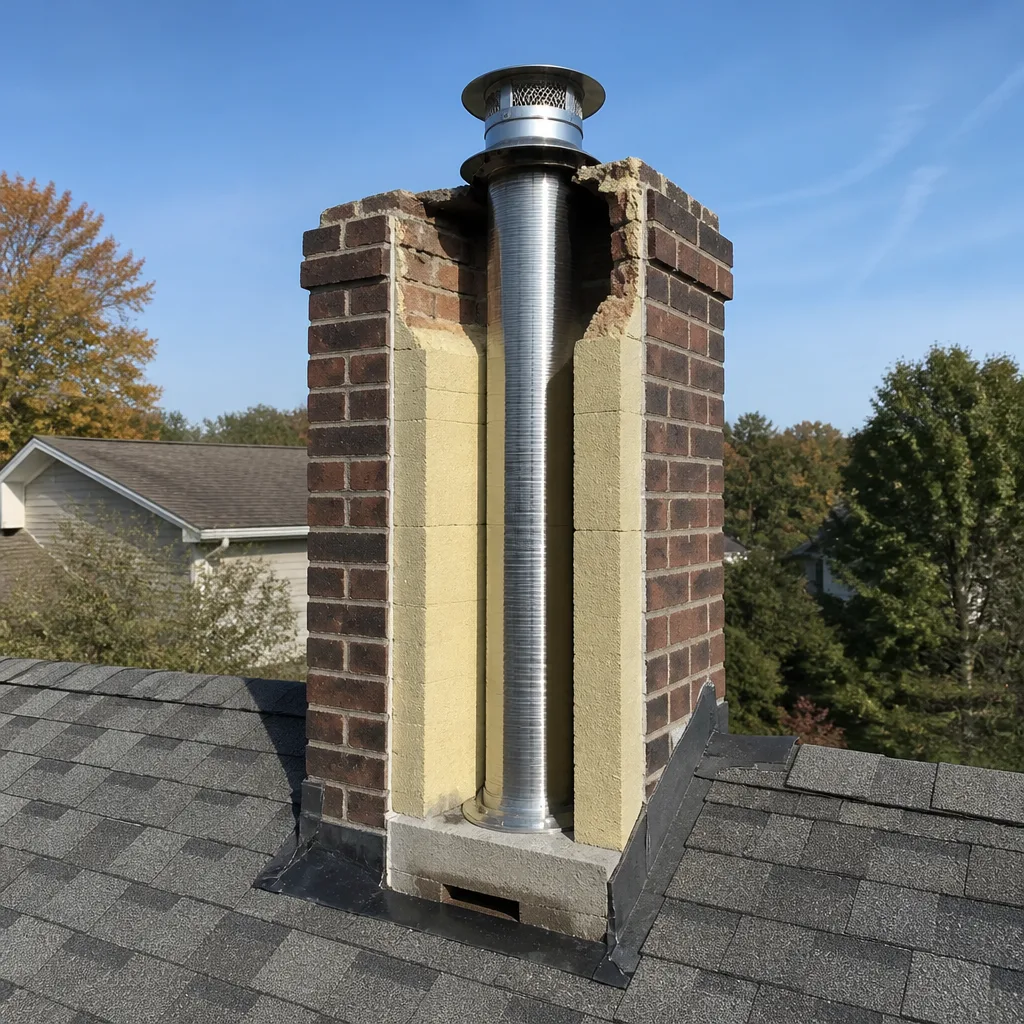 Flue relining
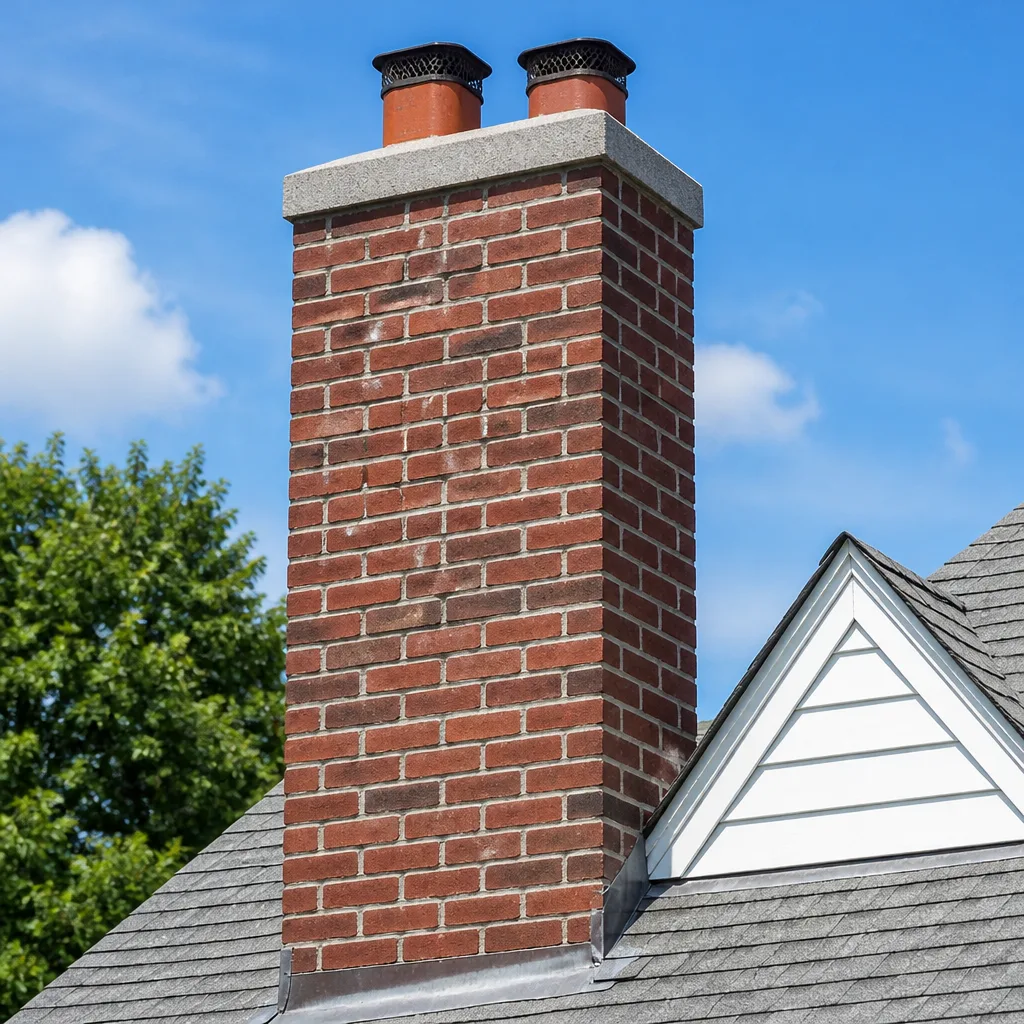 Masonry repair
 Gas fireplace service
Level 1 sweep and inspection to the NFPA 211 annual standard - flue, crown, cap, and flashing checked and photographed
Chimney sweep logs do not sweep chimneys. They loosen some creosote - which then falls where a brush and vacuum still have to collect it.
Chimney Sweep Maintenance Checklist for San Angelo Homeowners
A chimney crown crack the width of a credit card can let enough moisture in over one San Angelo summer to spall the entire smoke chamber before the first fall fire. That’s the part most seasonal checklists miss. They tell you to sweep in autumn and forget that the damage happens in July, when the heat is doing its quiet work on mortar and the fireplace sits unused for months. What follows is a working reference built around the failure points we actually find in San Angelo homes: heat-cracked crowns, animal nesting from the surrounding ranch country, and liner sections that deteriorate because the fireplace runs hard for two weeks a year and sits dormant the rest. You’ll learn what to check yourself from the ground, what requires a sweep on the roof, and how to log all of it in a way that pays off when you sell.
Quick Answer
A chimney maintenance checklist for San Angelo should cover four things: a ground-level inspection of the crown, cap, and screen before and after summer; a professional sweep with a camera inspection once a year if you burn wood regularly; a liner and mortar joint assessment after any long dormant stretch; and a dryer vent cleaning on the same schedule as your chimney work. Most of the damage in this climate happens between fires, not during them, so the checks that matter most are the ones you do while the fireplace is cold.
Styles & brands we work with
- Sweep & inspection
- Caps & crowns
- Flue relining
- Masonry repair
- Gas fireplace service
Table of Contents
- The Pre-Season Checklist for San Angelo Homes
- Crown and Cap: What Summer Heat Does to Your Chimney
- Animal Nesting and Screen Checks After Nesting Season
- Liner Assessment After Long Dormancy
- Mortar Joints and the Firebox Floor
- What You Can Safely Check From the Ground
- The Dryer Vent Checklist That Runs Alongside Your Chimney Checks
- How to Log Your Chimney Service History
The Pre-Season Checklist for San Angelo Homes
The right time to start your chimney checklist in San Angelo is late summer, not the first cold night in November. By the time you’re ready to build a fire, the damage from months of heat and disuse has already set, and you’re booking a sweep during the busiest stretch of the year. The pre-season window lets you find problems while there’s still time to fix them properly.
Work through these in order. Each step assumes the fireplace has been cold for weeks.
- Walk the exterior and look at the crown. From the ground with binoculars, check the concrete cap at the top of the chimney for hairline cracks, crumbling edges, or any gap where it meets the flue tile.
- Check the cap and spark screen. Confirm the cap is seated flat and the screen mesh is intact. A screen pulled loose by a raccoon or a bird is the first sign something got in.
- Look for staining on the exterior masonry. Dark streaks below the crown or white chalky bloom on the brick tell you moisture is getting in somewhere above.
- Open the damper and look up with a flashlight. From the firebox, you can see the first few feet of flue. Look for soot buildup, cracked tiles, or daylight where there shouldn’t be any.
- Check the firebox floor and walls. Run a hand over the firebrick. Crumbling mortar joints or loose bricks need attention before the first fire.
- Test the smoke and carbon monoxide detectors. Any chimney work should be paired with fresh batteries and a function test on both.
- Book the sweep. A professional sweep with a camera inspection confirms what you found and catches what you can’t see. Schedule it before the fall rush.
- Add the dryer vent to the list. If you can’t remember the last time the vent was cleaned, it goes on this season’s list.
That last item matters more than homeowners expect. The vent system and the chimney share the same job: moving combustion byproducts and hot exhaust safely out of the house. Treat them as one maintenance category, not two.
Crown and Cap: What Summer Heat Does to Your Chimney
The crown is the concrete slab at the very top of the chimney, and in San Angelo it takes more abuse than any other part of the structure. Months of direct sun and 100-degree afternoons expand and contract the concrete against the flue tile. The result is a hairline crack along the bond line that widens with every season. Once that crack is open, rain runs straight down the flue during the summer thunderstorms and soaks into the masonry from the inside.
What follows is slow and expensive. Moisture in the chimney structure causes spalling, where the face of the brick flakes off, and it works into the smoke chamber and the mortar joints. By the time you notice a stain on the ceiling or a musty smell in the living room, the damage has been building for a season or two.
Here’s what to watch for at the crown, easiest to hardest to see:
- Hairline cracks along the flue tile. The most common failure we find. Visible from the ground with binoculars in good light.
- Crumbling or chipped edges. The crown should overhang the brick slightly. If the edge is eroding, water is running down the side of the chimney.
- Separation from the flue. A visible gap where the crown meets the clay tile liner lets water straight in.
- Rust streaks on the exterior. Usually a sign the crown or flashing is failing and metal components are corroding.
A cap, sometimes called a crown cover, is a separate piece that sits over the top and keeps rain and animals out while letting smoke escape. We fit caps from Gelco, Olympia Chimney, and Famco, and the right fit depends on the flue shape and the exterior profile of the chimney. A generic cap from a hardware store often sits loose, which makes the problem worse. A properly fitted cap, paired with a sound crown, is the single most cost-effective defense against summer moisture.
Crown repair isn’t a job for a ladder and a tube of caulk. If the crack is wider than a hairline, or the crown has separated from the flue tile, it needs to be rebuilt or resurfaced by someone who works on chimneys regularly. See our Chimney Sweep San Angelo page for what a proper inspection covers.
Animal Nesting and Screen Checks After Nesting Season
San Angelo sits in the middle of ranch country, and chimneys make excellent nesting cavities. Birds, squirrels, and the occasional raccoon treat an open flue as a ready-made den. The problem isn’t only the animal itself. Nests block the flue, which reduces draft and pushes smoke back into the house. Worse, dried nesting material is exactly the kind of fuel that catches from a stray ember.
The check that matters most happens in the late summer or early fall, after nesting season ends and before you start burning. Here’s how to approach it:
- Confirm the screen is intact. A spark screen with a rusted or torn mesh is an open door. Look for bent grid, missing clips, or a screen that’s been shoved up out of position.
- Look for debris on top of the cap. Twigs, grass, or nesting material visible on top of the cap means something is building above the screen, where it can block airflow.
- Open the damper and listen. Scratchy or rustling sounds from the flue mean something is still in there.
- Look for droppings in the firebox. Bird or rodent droppings at the bottom of the firebox confirm an intrusion, even if you didn’t hear anything.
- Do not burn until the flue is cleared. If you suspect a blocked flue, a professional sweep with a camera confirms it and clears it safely.
A properly fitted cap handles this problem at the source. Caps from Olympia Chimney and Famco are built with mesh screens sized to keep animals out while letting exhaust through. If your current cap is loose, torn, or missing, that’s the first repair to make before the season starts. It costs far less than dealing with a blocked flue in the middle of a cold snap.
If you’re not sure what you’re looking at from the ground, a camera inspection is the answer. A sweep on the roof can see the cap, the crown, and the top of the flue all at once and tell you exactly what needs attention.
Liner Assessment After Long Dormancy
The flue liner is the clay tile or metal pipe that carries smoke up the chimney, and in San Angelo it spends most of the year dormant. That rest is the problem. A flue that runs every night stays warm and dry. A flue that sits idle for eight months collects moisture, condensate, and soot that hardens into a corrosive crust. When you finally light the first fire, the thermal shock hits a liner that hasn’t been warmed in months.
The liner is also where you find the difference between a swept chimney and a maintained one. Soot alone is manageable. A cracked tile, a spalled joint, or a section of missing liner below the roofline is a fire risk, because heat can escape into the wood framing of the house. That’s the failure point every camera inspection is looking for.
What happens during a liner assessment:
- Camera scan of the full flue. A camera on a flexible rod runs from the top down, and the sweep reviews the footage with you.
- Tile integrity check. Cracks, gaps, and missing mortar between tiles are flagged along with their location.
- Draft test. The sweep confirms the flue is pulling air correctly.
- Repair recommendation. If the liner is damaged, you’ll get options, not just a price.
When the damage is in the mortar joints rather than a cracked tile, HeatShield is the repair worth asking about. It’s a resurfacing compound poured into the flue and worked into the joints, and it restores a deteriorating interior without a full reline. When the liner itself is failing, a DuraFlex flexible liner is the professional-grade replacement, sized to the flue and installed as a continuous pipe. The point is that a good sweep comes to clean and fix, not just to brush and go. Our chimney sweep service includes the camera inspection as part of the visit, so liner problems get found before they become fire problems.
If you want to know whether a liner needs to be replaced or just resurfaced, a camera inspection is the only honest way to answer it. A visual check from the firebox won’t show you the liner above the roofline, which is where most failures start.
Mortar Joints and the Firebox Floor
West Texas heat does a number on mortar, and the firebox is where you see it first. The mortar joints between firebricks take the direct brunt of every fire, and over years they shrink, crack, and fall out. Once a joint is open, heat works into the brick and eventually into the structure behind it. This is what a professional sweep is checking when they look at your firebox with a flashlight.
What to check, in order, with the fireplace cold:
- Run a finger along the mortar joints. Sound joints are firm and slightly rough. Crumbly or sandy joints need repointing.
- Look for gaps at the corners. The joints between the back wall and the side walls of the firebox take the most heat and often fail first.
- Check the firebox floor. The floor of the firebox cracks over time, and a loose brick or a deep crack lets embers drop where they shouldn’t.
- Look at the smoke chamber above the damper. This is the sloped area above the firebox. Cracks here are common, hard to see without a light, and they need pro attention.
- Check the damper operation. It should open and close smoothly and seal reasonably well when closed.
Small mortar repairs on the firebox are routine and worth doing before they become structural. The smoke chamber is a different story. It’s hard to reach, and the repair has to restore the smooth slope that makes the chimney draft. HeatShield is used for exactly this work, resurfacing the smoke chamber and the flue so the joints are sealed and the draft is restored. Resurfacing is a real alternative to a full liner replacement when the damage is in the joints and not the tiles.
One more West Texas note: mornings can run cool and afternoons hot well into fall, and the firebox cycles with the house. A firebox that’s used in morning cool and then sits through a hot afternoon goes through more expansion than a firebox used only at night. It’s one reason small firebox repairs shouldn’t be postponed indefinitely.
What You Can Safely Check From the Ground
A lot of the checklist above you can do yourself, and a lot of it you can’t. Knowing the difference keeps you off a ladder and out of a flue. Here’s the line.
Safe from the ground:
- Crown condition, using binoculars in good light
- Cap and spark screen condition, from the ground
- Exterior staining on the brick or siding
- Damper operation and the visible firebox interior, with a flashlight
- Detectors on every floor
Requires a sweep on the roof with a camera:
- The full flue liner above the firebox
- The smoke chamber and damper frame
- The cap mounting and any hidden flashing
- Crown repair or resurfacing
- Any animal nesting that needs to be cleared
Two ground-level checks deserve their own note. First, if you see cracks in the crown from the ground, that’s not a “keep an eye on it” situation. It’s a “call and get it inspected” situation. Second, if your detector has gone off or the firebox smells like smoke even when the damper is open, treat that as a call. A backdrafting flue is a carbon monoxide risk, and the cause is almost always something you can’t see from the living room.
We answer questions about what’s normal and what isn’t. If you’re in San Angelo and something looks off, call (833) 946-3155 and describe what you’re seeing. We can tell you whether it needs a visit.
The Dryer Vent Checklist That Runs Alongside Your Chimney Checks
The dryer vent is the hidden half of your venting system, and it’s the maintenance most homeowners skip entirely. A clogged dryer vent isn’t a slow inconvenience. The National Fire Protection Association links dryer vents to nearly 2,900 home fires a year, and the cause is almost always lint buildup in the duct. The exact same season that makes a chimney risky makes the dryer vent risky, because hot, dry weather and a packed lint filter are a bad pair.
Run these checks alongside your chimney checks, on the same schedule:
- Clean the lint filter before every load. The basic one, and the one most likely to be skipped on a busy day.
- Check the outside vent flap. From the exterior, the flap should open freely when the dryer runs and close when it stops. A stuck flap is a fire and moisture problem at once.
- Look for lint around the outside vent. A ring of lint on the ground outside the vent means the duct is depositing lint faster than it can clear.
- Time your dryer. If a load that used to take 45 minutes now takes 70, the duct is probably restricted.
- Listen for the “dryer but not dry” pattern. Clothes that come out damp are the most common sign of a restricted vent.
- Book a professional vent cleaning if it’s been more than a year or you can’t remember the last one.
The reason this belongs on a chimney checklist is practical: the same visit can cover both. Our dryer vent cleaning is a standalone service, which means you can book it on its own or schedule it right next to your chimney appointment. One call covers both systems, and the dryer vent gets the attention it usually misses.
If you use a gas dryer, the vent cleaning matters twice as much, because a restricted vent also affects burner performance. If you’ve noticed an unusual smell or a burner that doesn’t sound right, get the vent looked at before you call the appliance repair line.
How to Log Your Chimney Service History
Every visit, repair, and inspection should be written down. The record does two jobs that most homeowners never think about until they need them.
First, it protects your resale value. A buyer’s inspector is going to look at the chimney, and if the report shows damage with no documentation of repair, the sale stalls or the price comes down. A dated log of sweep visits and repair work, with photos, answers those questions in minutes.
Second, it protects your insurance claim. If a chimney fire or water intrusion damages the house, the insurer wants proof the chimney was maintained. A log with dates and details tells the story cleanly. No log, and the claim gets harder to defend.
Here’s what to keep, in a folder or a shared file:
- Date of every sweep. Even the ones where nothing was found.
- Camera inspection notes and photos. Ask the sweep to send you the footage or stills.
- Repair receipts. Crown work, liner work, cap replacement, mortar repair.
- The brand and part number of any liner, cap, or resurfacing product. Whenever a DuraFlex liner or a Gelco cap goes in, keep the product details.
- Dryer vent cleaning dates. Same file, same schedule.
A camera inspection with a photo report makes this easy. Instead of a scribbled note, you get a dated record of the flue condition, the cap, and the crown, with images you can show anyone. Ask for that every time. Our team logs each visit this way because the record is as valuable to you as the cleaning itself.
Common Mistakes to Avoid
- Skipping the pre-season checklist entirely and sweeping in November. By then the summer damage is set and the sweep calendar is packed. Start in late summer.
- Assuming a general handyman can handle chimney work. A handyman can brush a flue. They don’t carry DuraFlex or HeatShield, and they don’t have a camera inspection protocol. Chimney work wants a specialist with professional-grade materials.
- Ignoring dryer vent cleaning because the dryer still works. That’s how most dryer vent fires start. If it’s been more than a year, the vent needs a professional cleaning.
- Burning wood in a chimney that has animal nesting. If you suspect anything is in the flue, clear it before the first fire. A blocked flue pushes carbon monoxide into the house.
- Replacing a liner that only needs resurfacing. HeatShield resurfacing restores the mortar and the smoke chamber at a fraction of a reline. Ask the question before you accept a full replacement.
- Not keeping a log. A chimney with no documented service history invites harder questions at resale and at insurance claim time.
- Doing the roof-level work yourself. Even a careful homeowner shouldn’t climb a roof to inspect flue tiles. The risk isn’t worth it. Hire it out.
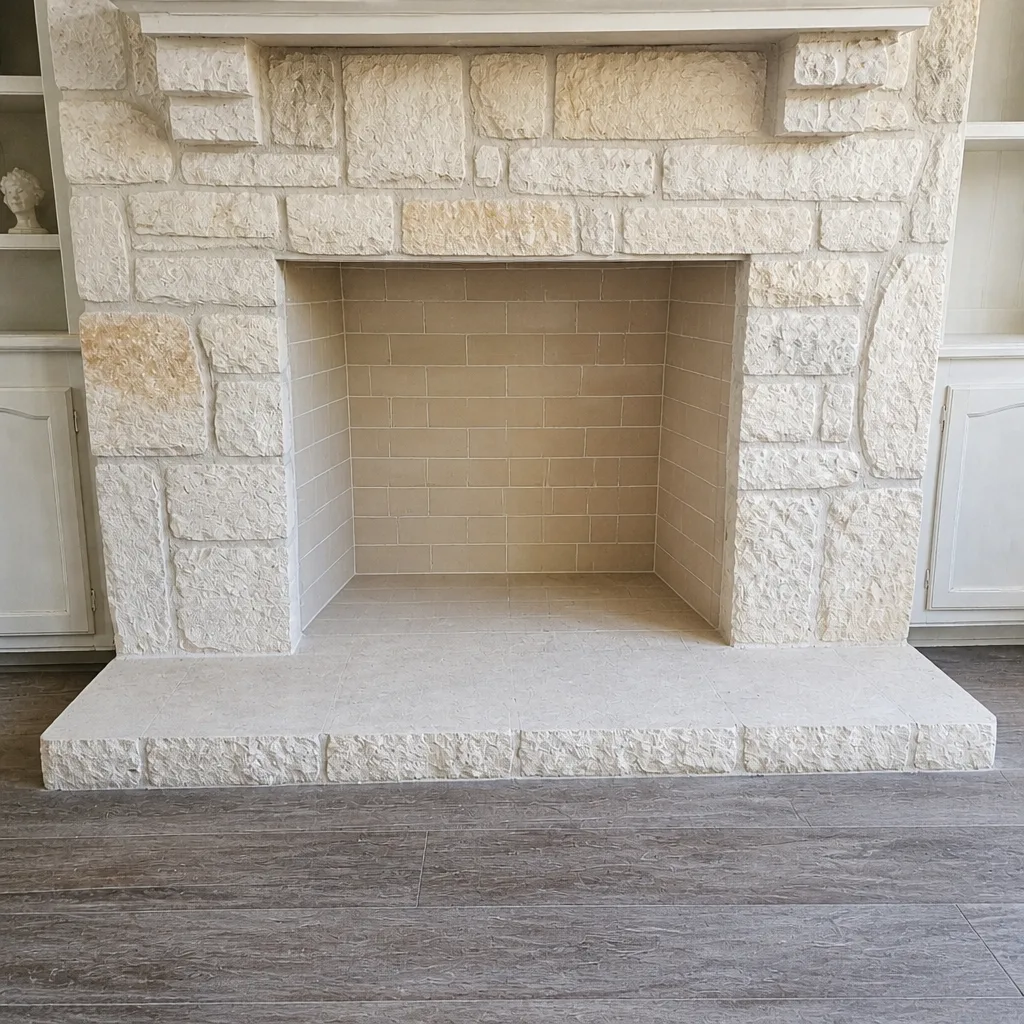
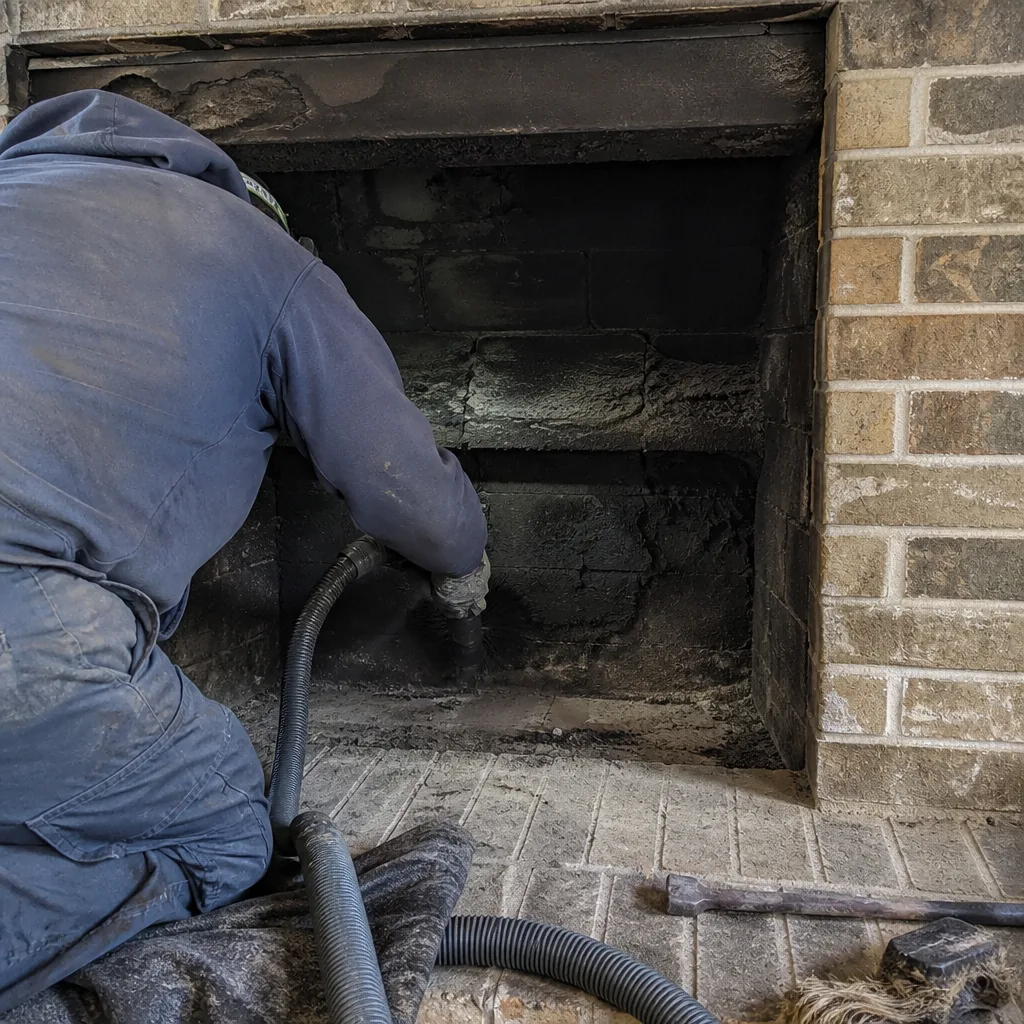
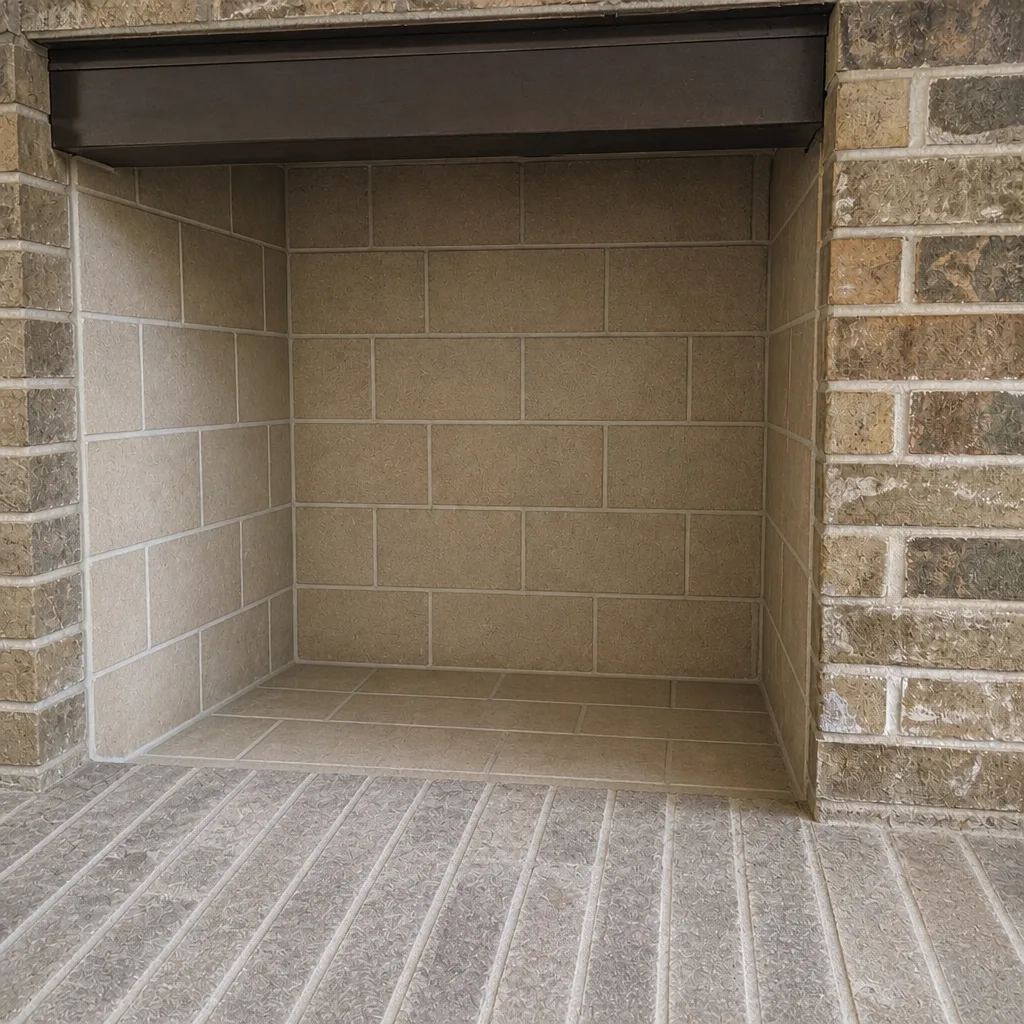
See the difference
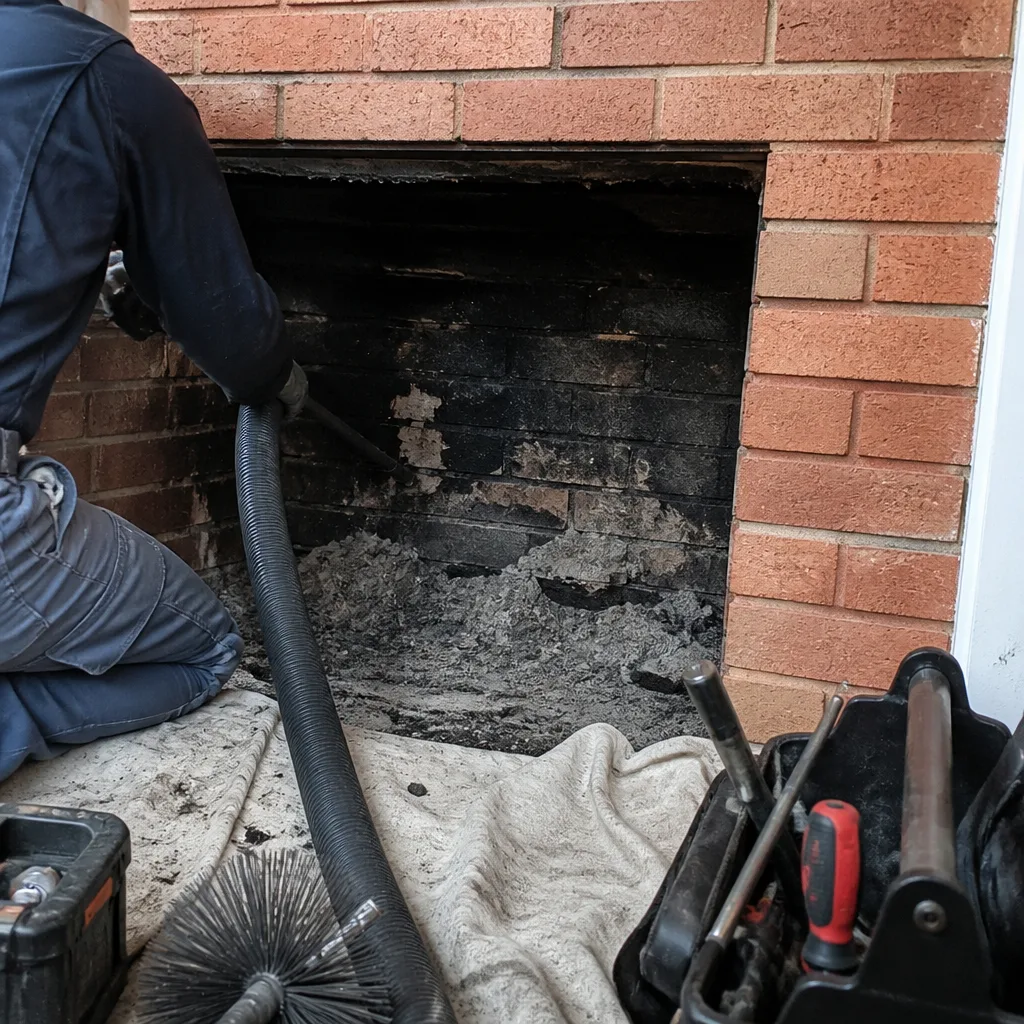 Before
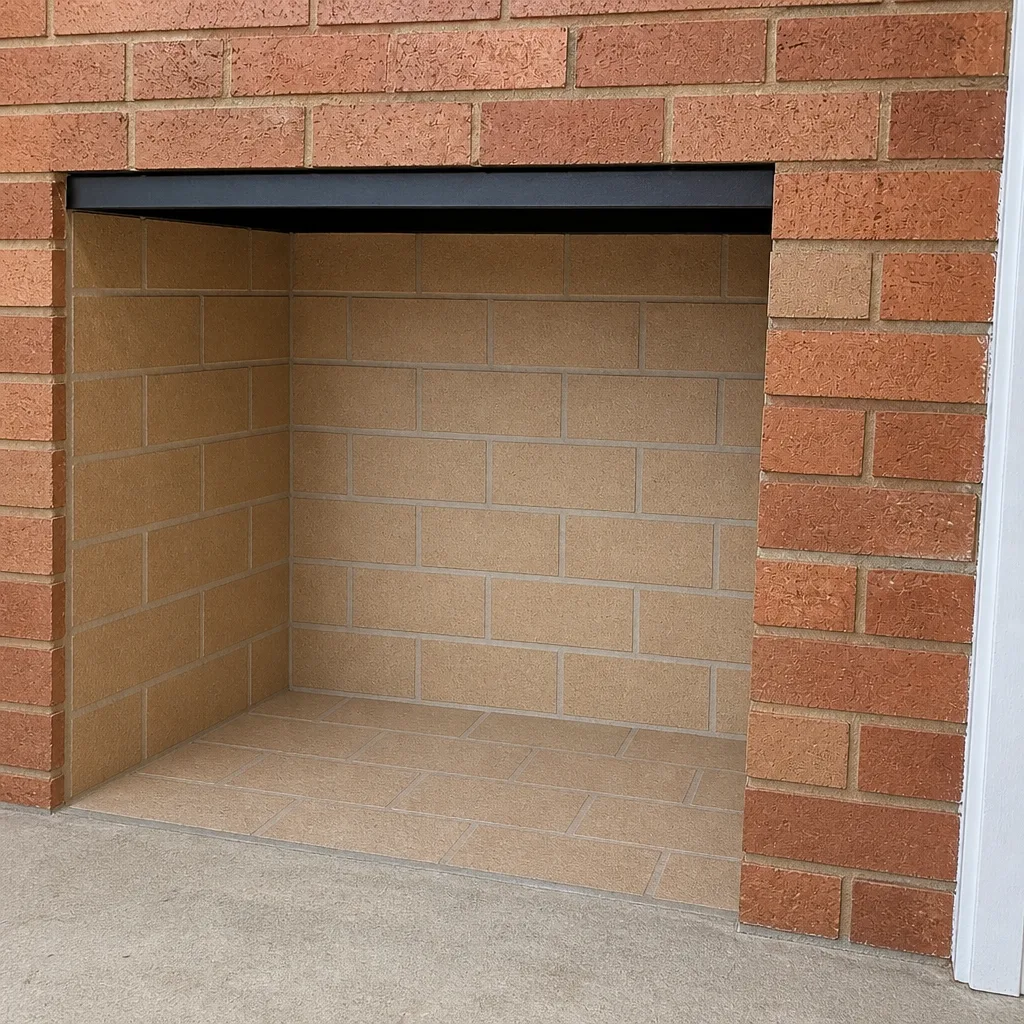 After
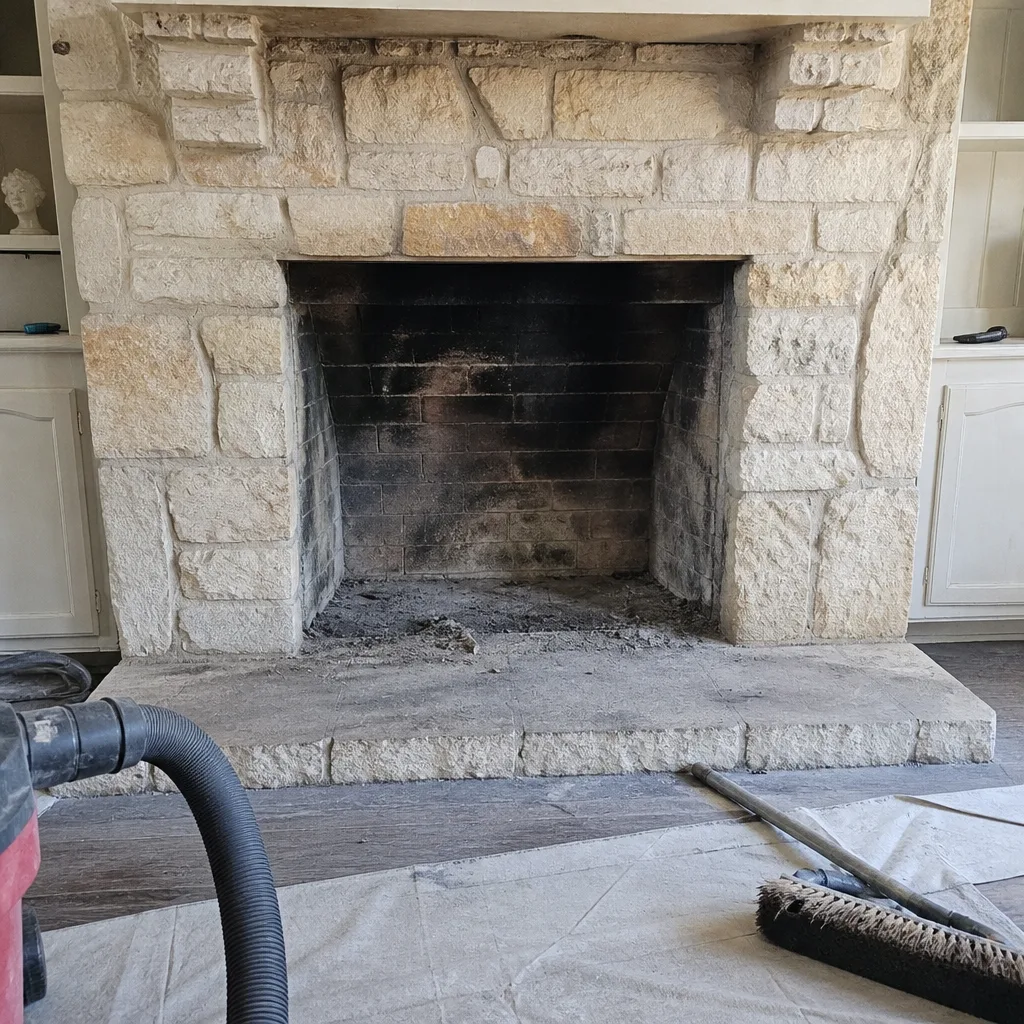 Before
 After
 Before
 After
When to Call a Professional
Some of this checklist is yours to own. A handful of items are calls, not tasks.
Call a professional when you see cracks in the crown from the ground, when the cap or spark screen is loose or torn, when you smell smoke in the house with the damper open, when your smoke or carbon monoxide detector has gone off, when the firebox mortar is crumbling, when you can’t remember the last time the chimney was swept, or when the dryer is taking noticeably longer than usual. Also call if you’re buying a home and want a chimney inspection before you close. These are all things a trained sweep can look at and give you a straight answer on.
Chimney Sweep San Angelo offers free estimates in San Angelo. Call (833) 946-3155. We answer 24/7. Fast dispatch from 7am to 7pm, Sunday through Friday.
Frequently Asked Questions
A standard chimney sweep in San Angelo typically runs $150 to $300, and a sweep with a camera inspection runs $200 to $375. Repairs like a crown resurfacing or a HeatShield application run more and depend on what the inspection finds. Call (833) 946-3155 for an exact quote. Estimates are free.
A chimney used regularly should be swept once a year, and a chimney used only occasionally should be inspected at least once a year. In San Angelo, the right time is late summer, before the first fire and after the heat has done its work on the crown. Call (833) 946-3155 to get it on the schedule.
Not always. Many liners with damaged mortar joints can be resurfaced with HeatShield instead of replaced. A camera inspection tells you which one you’re looking at. If a full reline is needed, a DuraFlex flexible liner is the professional-grade choice. Call (833) 946-3155 for an inspection with a photo report.
Creosote builds up in the flue and becomes a fire risk, and the crown and cap damage gets worse with every season of sun and rain. A skipped sweep doesn’t fail quietly. It goes from a cleaning to a repair. Call (833) 946-3155 before the busy season and get a written estimate.
Yes. Months of direct sun expand and contract the crown against the flue tile, and a hairline crack opens into a real leak by the first fall rain. That’s why the crown check belongs in late summer, not at the first cold snap. Our San Angelo service covers both the inspection and the repair. Call (833) 946-3155 to schedule one.
Yes. Both systems handle heat and exhaust, and both fail silently when skipped. A dryer vent cleaning once a year alongside your chimney sweep covers both in one visit. Call (833) 946-3155 to book both together.
The Bottom Line
The chimney maintenance checklist that works in San Angelo is built around the local failure points: the crown baking in summer sun, the cap screen taking nesting damage from rural wildlife, and the liner deteriorating between long dormant stretches. Do the ground-level checks yourself in late summer, keep the roof-level work with a sweep who carries professional-grade materials, and put the dryer vent cleaning on the same schedule. Log every visit. If something looks wrong, call it in before the first fire. We work with HeatShield and DuraFlex for the repairs that matter, and our technicians have up to 11 years of experience. Call (833) 946-3155 for a free estimate. We answer 24/7. Fast dispatch from 7am to 7pm, Sunday through Friday.
Written by the team at Chimney Sweep San Angelo.