
Last updated November 15, 2026
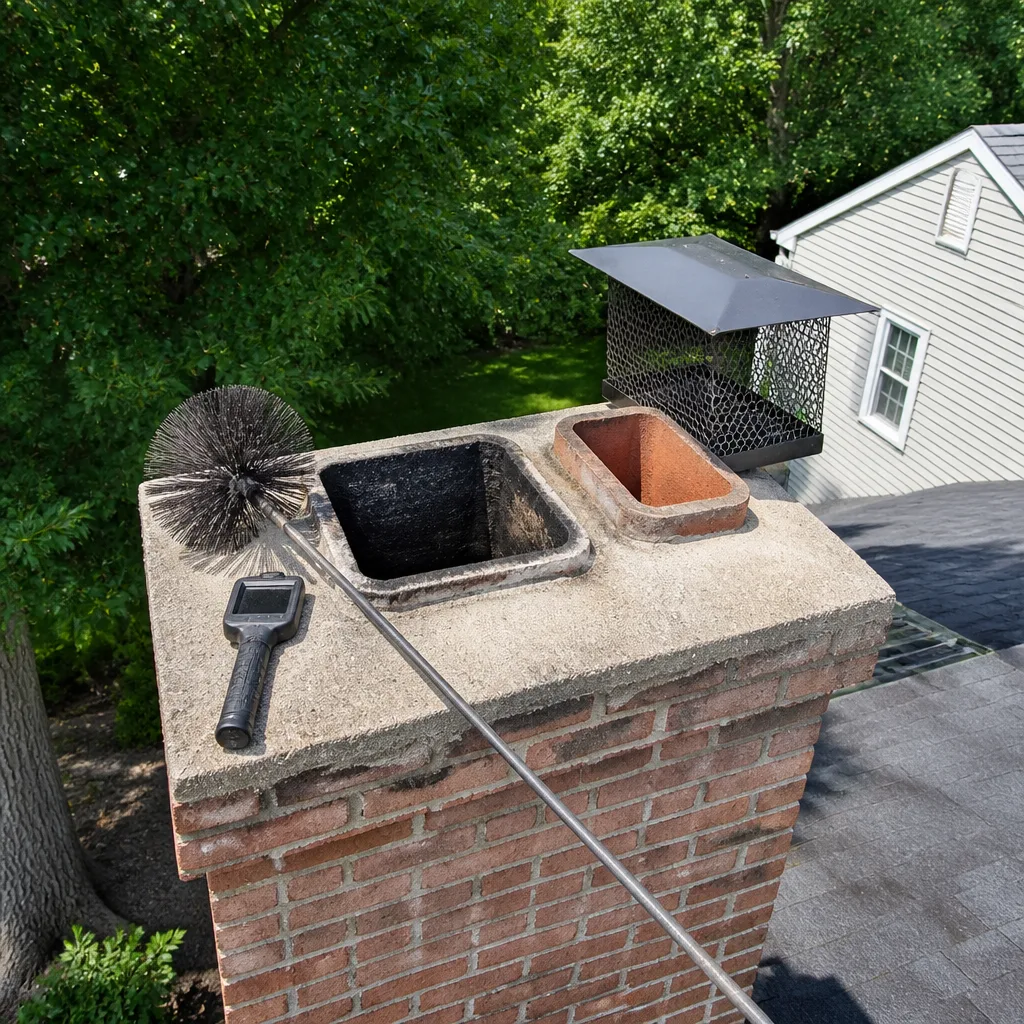 Sweep & inspection
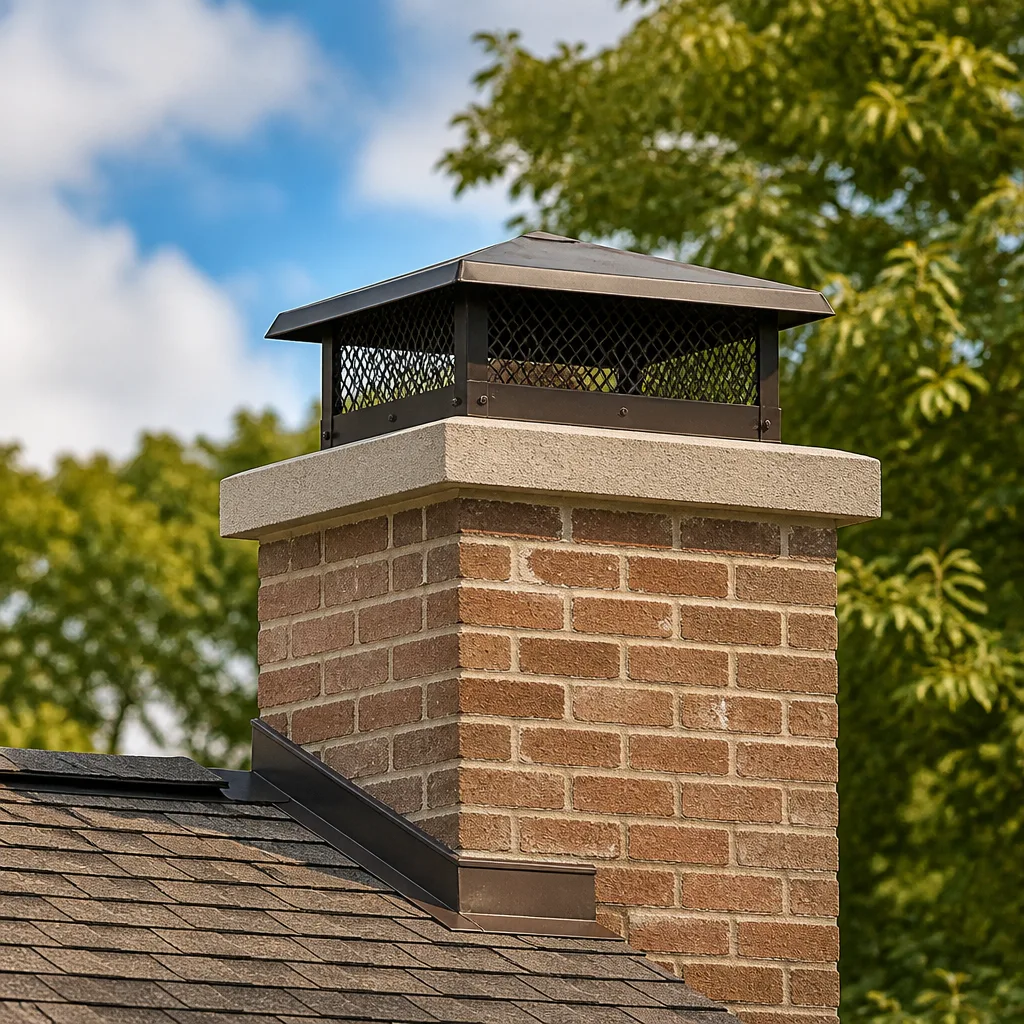 Caps & crowns
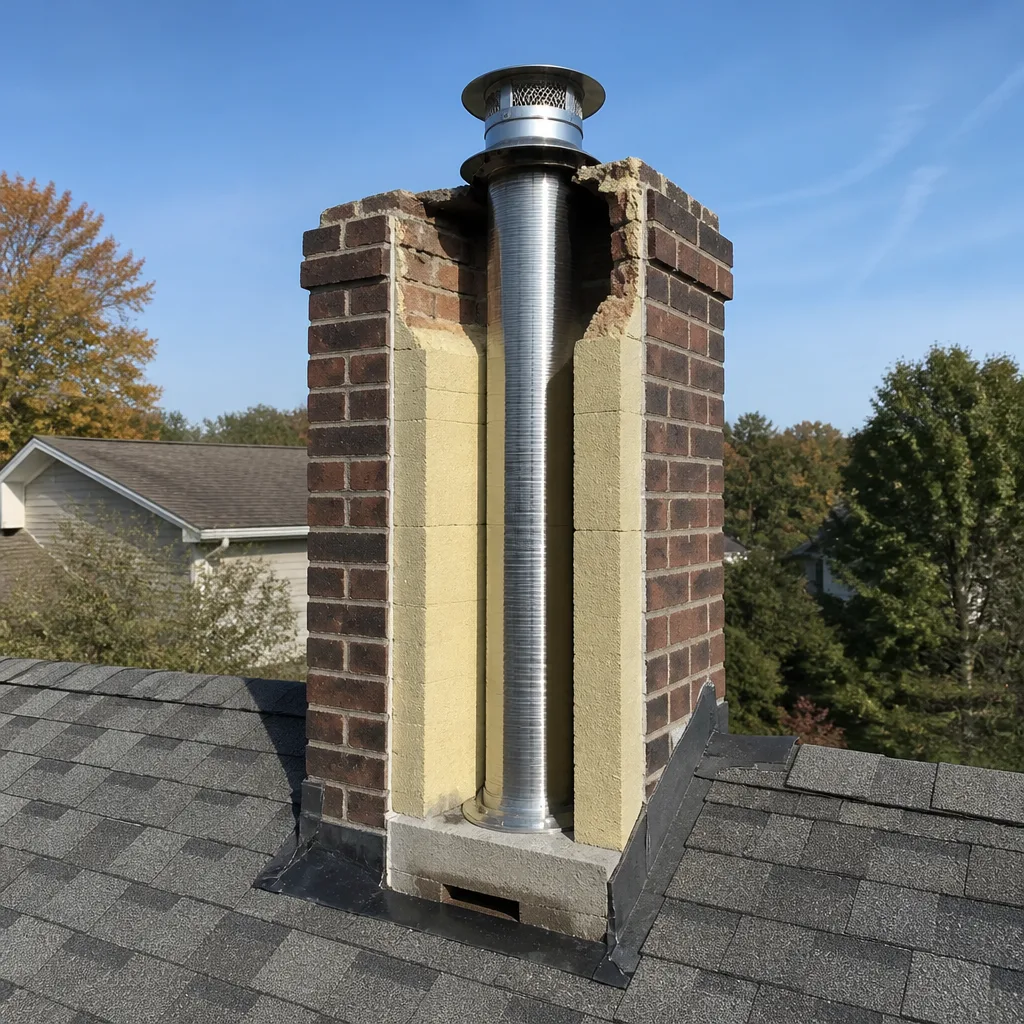 Flue relining
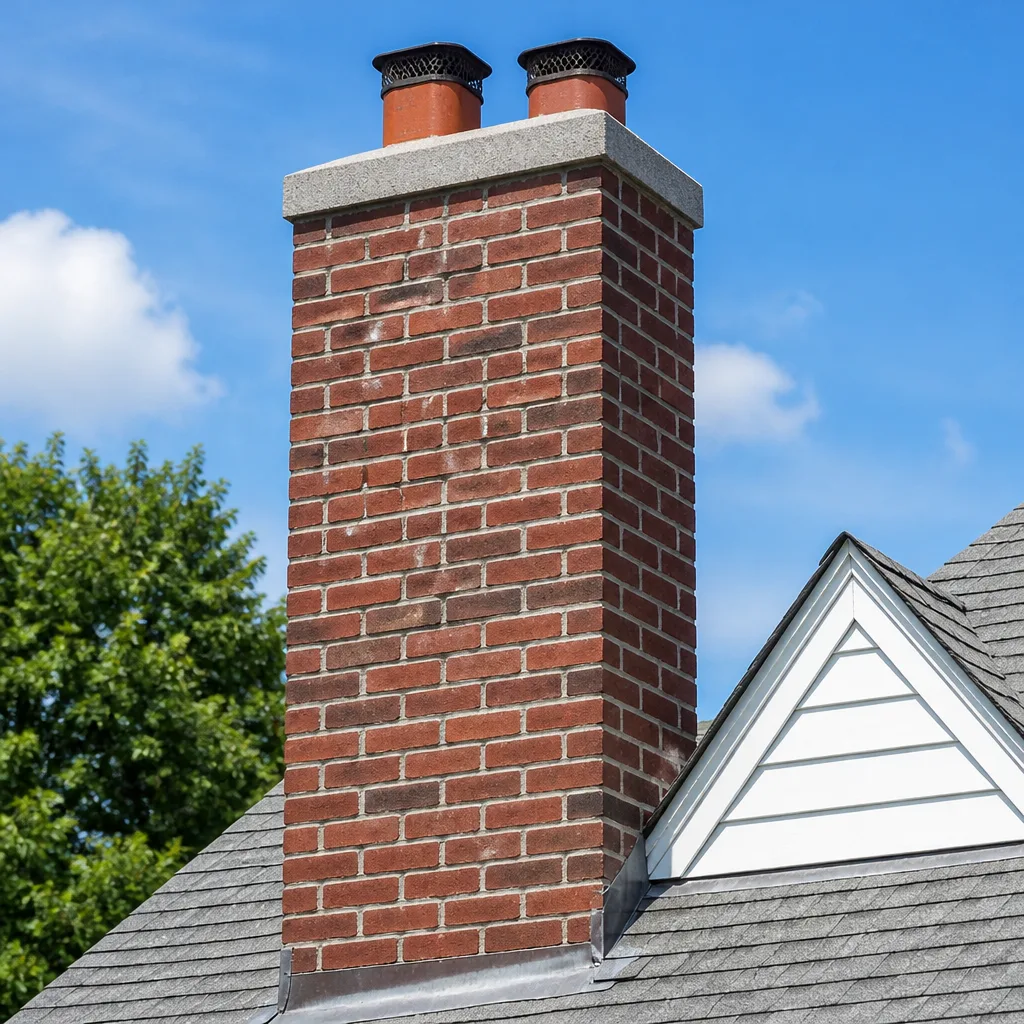 Masonry repair
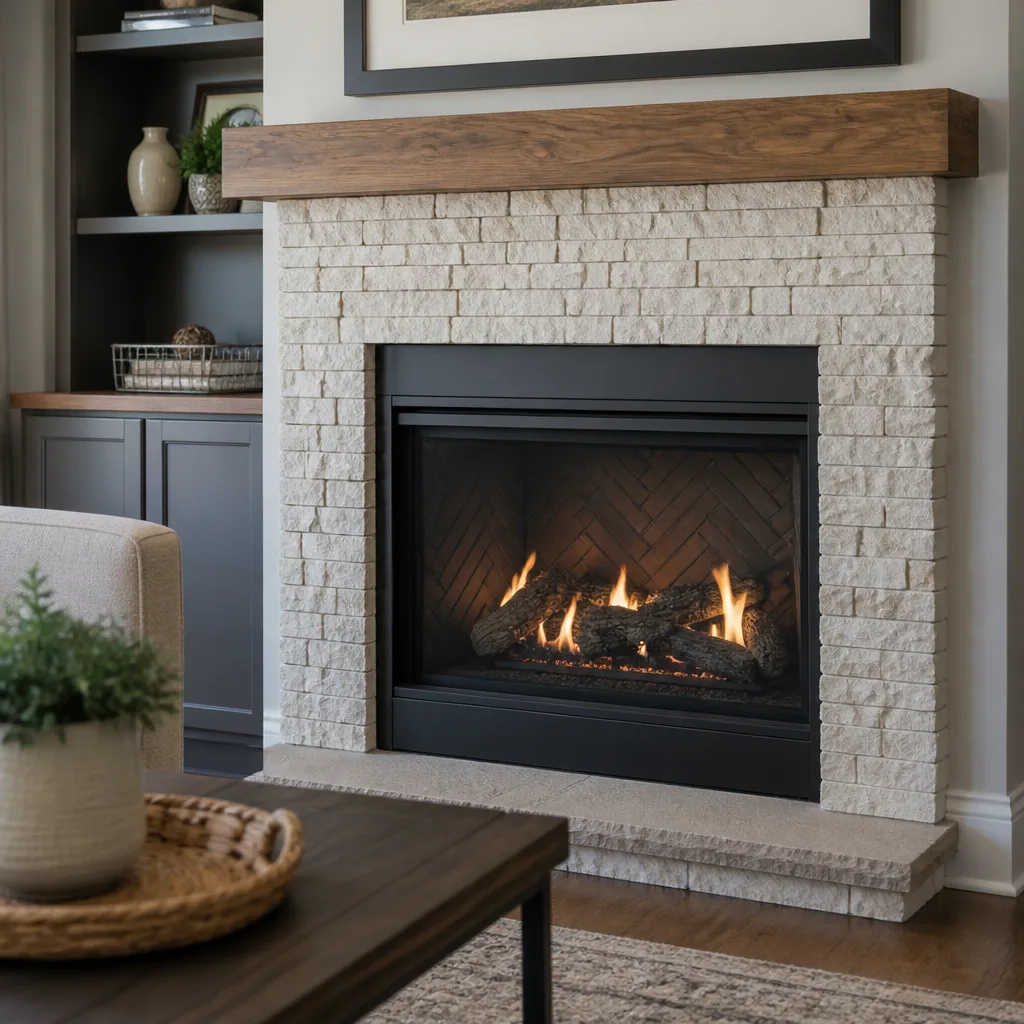 Gas fireplace service
Level 1 sweep and inspection to the NFPA 211 annual standard - flue, crown, cap, and flashing checked and photographed
Chimney sweep logs do not sweep chimneys. They loosen some creosote - which then falls where a brush and vacuum still have to collect it.
Chimney Cleaning Emergency Preparedness Guide for San Angelo Homes
Most chimney emergency advice starts at the wrong moment: the smoke alarm, the roar, the panic. By then the important decisions have already been made, months earlier, when a liner cracked or a cap rusted through or a creosote glaze built up past the point a brush could safely clear it. A chimney fire can reach 2,000°F inside the flue, hot enough to damage a terra cotta liner in under a minute, and it often sounds like a low roar people first mistake for wind. This guide backs up to the part you control: how San Angelo’s burn patterns create the risk, what equipment stops a chimney fire cold, and what to do in the first 60 seconds if one starts anyway.
Quick Answer
Chimney fire preparedness in San Angelo means three things: sweeping on schedule so creosote never builds to ignition thickness, installing a properly sized stainless-steel cap and a working carbon monoxide alarm as your last line of defense, and knowing the first-60-seconds protocol (close the damper, get everyone outside, call 911). If a fire has happened, keep your fireplace out of use until a professional inspects it and documents the damage for your insurer.
Styles & brands we work with
- Sweep & inspection
- Caps & crowns
- Flue relining
- Masonry repair
- Gas fireplace service
Table of Contents
- Why San Angelo’s Burn Pattern Raises Chimney Risk
- What to Do in the First 60 Seconds of a Suspected Chimney Fire
- After a Chimney Fire: The Right Order of Calls
- Carbon Monoxide Risk and San Angelo’s Heating Habit
- Why a Stainless-Steel Cap Is Emergency Equipment
- Liners and Resurfacing: The Barrier Behind the Fire
- Documenting a Chimney Fire for Insurance
- Prevention Checklist for San Angelo Homes
Why San Angelo’s Burn Pattern Raises Chimney Risk
San Angelo winters are mild, and that’s exactly the problem. In cold-country cities, people burn steadily for months and their flues stay hot, which burns off a lot of the soft, flaky creosote. Here, most homes burn in bursts: a fire for two or three evenings during a cold snap, then nothing for a week or two. Short, intense burn sessions with a cold flue in between give creosote time to collect and glaze rather than burn away, and they force the appliance to work harder every time it relights.
That pattern feeds a couple of specific problems we see in the San Angelo area:
- Glazed creosote. Burst burning with damp wood or a firebox run low and slow produces the hard, shiny third-degree creosote that resists a standard brush. It’s the fuel a chimney fire wants.
- Idle hardware. A fireplace that sits unused for weeks collects nesting material, leaves and dust in the flue, and that debris becomes tinder when the first fire of the season lights.
- Age without eyes on it. Mild weather means chimneys here can go years without scrutiny. Mortar joints soften, caps rust, and nobody notices until a visible problem shows up in the room.
None of this makes a chimney fire inevitable. It makes the case for scheduled cleaning and a proper inspection, because on the Texas plains the flue is doing more work per fire than you’d guess. If you want a baseline on your system before the next burn, that starts with a chimney sweep that includes a camera look at the interior, not just a top-down brush.
What to Do in the First 60 Seconds of a Suspected Chimney Fire
A suspected chimney fire is a 911 call, not a wait-and-see. In the first minute, close the damper if it’s safe to reach, get everyone outside, and dial 911. Do not open the firebox door and do not open windows in the room.
Here’s the reasoning, because it matters when you’re deciding what to do in a hurry:
- Close the damper. A roaring fire draws hard on the air around it. Closing the damper starves it and slows how fast the flue is climbing in temperature.
- Get people and pets outside. Exit low, and account for everyone. A chimney fire can push smoke and carbon monoxide back into the room through more than the fireplace opening.
- Call 911 from outside. Give the dispatcher the address and say plainly that you suspect a chimney fire. The fire department decides whether they need to inspect the roof.
- Don’t open the firebox door or the room’s windows. Both feed oxygen to a fire that’s already pulling hard. If a glass door is already closed, leave it closed.
- Don’t chase it with water from the fireplace side. Throwing water into an overheated firebox can crack masonry or send steam and debris back at you.
Signs that you’re dealing with a real chimney fire rather than a paper fire that flared up: a low roaring sound, a dense column of smoke or visible flame at the top, a pop or crack, and a strong burning smell in rooms that don’t have a fireplace. If those signs are present, treat it as the real thing. You can sort out the details after everyone is safe.
After a Chimney Fire: The Right Order of Calls
Once the fire department has cleared the scene, the fireplace comes out of service. Don’t relight it for any reason until a qualified sweep has inspected it. A chimney fire is an overheat event, and the damage it causes isn’t always visible from the firebox; hairline cracks in the flue, warped metal liners and separated mortar joints can pass a rough look and fail later.
The order matters:
- Call your insurance company to open a claim and ask what documentation they want from the inspection. Get the timeline in writing if you can.
- Book a post-fire inspection. Tell the sweep there was a suspected fire or overheat event. That changes the scope.
- Don’t clean up the fireplace or flue before the inspection. Photos of the pre-cleanup condition are some of the strongest evidence you’ll have.
After a chimney fire, a Level 3 inspection is the right call. A Level 3 goes beyond the standard visual and camera inspection of a Level 2; it’s the inspection standard for a known incident. It can involve opening access to concealed parts of the chimney and flue so the full interior is evaluated, not just the parts a camera can see from the damper. If your insurance adjuster asks for a report, this is the inspection that produces it.
If you’re in the San Angelo area and need that post-fire evaluation, call us and tell us what happened. We work with professional-grade liner and resurfacing materials, so if the inspection finds damage, the repair can usually follow on the same visit rather than waiting on a parts order for a generic substitute.
Carbon Monoxide Risk and San Angelo’s Heating Habit
Carbon monoxide is the emergency you can’t see, and short, intense burn sessions make it more likely than steady daily use. A cold flue drafts poorly at startup. Blockages, a cracked liner, a partially closed damper or a chimney cap that’s rusted shut can all send combustion gases back into the room instead of up and out. When you burn here and there, the handful of relights each winter is exactly when that risk is highest, because the flue is cold and the draft is weak.
What makes CO dangerous is that it has no color, no smell and no taste. People mistake early symptoms for a cold or the flu: headache, dizziness, nausea, fatigue. Here’s what we’d want every San Angelo home with a gas insert or a wood-burning fireplace to do:
- Install a CO alarm on each level and near the sleeping areas. Test it once a month and check the sensor’s replacement date.
- Have the flue inspected before the first cold snap, not after. If a blockage is going to reveal itself, better it’s found by a sweep than by your alarm.
- Watch the draft on a fresh fire. Smoke that rolls back into the room instead of drawing up the chimney is a warning. Stop burning and get it looked at.
- Never run a gas appliance with a damaged or disconnected flue. If a service tech has flagged the venting, fix it before you use it.
CO alarms are the last line of defense, and they do their job. But the better your flue is maintained, the less often that line has to hold.
Why a Stainless-Steel Cap Is Emergency Equipment
A properly fitted stainless-steel chimney cap is a safety device wearing a piece of hardware’s clothes. Most people think of it as a lid that keeps rain and leaves out. It also keeps birds, squirrels and the nests they carry from parking in your flue. Nesting material in a flue is prime fuel for a chimney fire the moment the fireplace relights, and it’s the kind of blockage that can send carbon monoxide into the house if a gas appliance shares the chimney.
The other half of the job is sizing. A generic screen bolted over the opening is not the same thing as a cap sized to the flue and the crown. A loose-fitting or undersized cap lets debris through, and a cap that’s too small or mounted wrong can impede the draft. That’s part of why we carry several brands: Gelco, Olympia Chimney, Famco and Copperfield all make caps and covers, and having more than one on hand means we can fit the cap to your chimney’s actual profile instead of squeezing a generic part over it.
Where a cap matters most in San Angelo:
- Rural and edge-of-town properties with trees and open airflow are prime nesting territory.
- Chimneys that sit unused part of the year, where a cap is what keeps the flue reasonably clear between burns.
- Homes with a gas appliance on the same chimney, where a blockage or a rusted-shut cap is a carbon monoxide problem, not just a smoke problem.
Liners and Resurfacing: The Barrier Behind the Fire
The flue liner is the part of the system that contains heat and gases, and its condition is the single biggest factor in whether a small creosote flare stays a small creosote flare. A sound stainless-steel liner or a sound terra cotta liner is what keeps the hot gases inside the flue and the framing outside it. When the liner is cracked or separated, a minor overheat can reach the house structure.
There are two broad repair paths, and the right one depends on what inspection finds:
- Relining. When the existing liner is damaged beyond resurfacing or when a new appliance requires a properly rated liner, we install a DuraFlex flexible liner system. DuraFlex is the kind of professional-grade material we reach for because it’s rated for the job and it bends to the chimney’s path rather than forcing a straight drop where the flue doesn’t run straight.
- Resurfacing. When the flue is intact but the mortar joints have deteriorated, HeatShield resurfacing compound is designed to restore the interior surface without a full liner replacement. It’s a cost-conscious option that keeps a workable chimney in service, and it’s one most basic sweep operations don’t offer because it’s not part of a cleaning visit.
Neither of these is a decision to make off a guess. Both come down to what the camera shows. Our rule is simple: we don’t recommend relining or resurfacing work you can’t see the evidence for. You’ll get the footage and a photo report, and if the repair can safely wait, we’ll tell you that too. If you’ve got a gas insert or dryer in the mix, a dryer vent cleaning is worth scheduling alongside, since lint buildup is a fire hazard of its own.
Documenting a Chimney Fire for Insurance
If you have to file a claim, documentation is the whole game. A post-event report should capture the before-cleanup condition with photographs, describe what was damaged and where, and give the adjuster a clear picture of the cause and the required repair. Photos taken before anything is swept, scrubbed or removed are the evidence your insurer will rely on most.
What a good post-fire report includes:
- Pre-cleanup photos of the firebox, the damper area and the flue interior, including anything the camera can see.
- A description of the damage in plain terms: cracked liner, separated joints, warped components, damaged cap.
- A cause assessment where it’s evident, tied to the condition found, not a guess.
- A scope of recommended repair with the materials proposed, so the adjuster can price it.
- The inspection level performed, so the insurer knows the extent of what was evaluated.
If you’re on the phone with your adjuster and they ask what the flue looked like, you want an answer. A sweep that does the camera inspection and the photo report as part of the visit gives you that, and it means the documentation exists before anyone touches a broom.
Prevention Checklist for San Angelo Homes
Prevention is cheaper than recovery, and most of it fits on one page. Here’s what we’d want every San Angelo homeowner to do before each burn season and through the winter:
- Sweep on schedule. Once a year for a regularly used fireplace, or after roughly a cord of wood, is the usual rule. If you’ve noticed glazed creosote or burned a lot of green wood, get it looked at sooner.
- Get a camera inspection, not just a brush. A top-down sweep can miss the interior condition of the flue. Ask for the camera and the photo report.
- Confirm the cap is stainless and properly sized. A generic screen is a debris barrier; a fitted cap is protection for the flue itself.
- Test the carbon monoxide alarms. Monthly check, sensor date checked, batteries fresh before the cold snap.
- Burn dry, seasoned wood. Creosote is the product of incomplete combustion, and wet wood is the biggest cause of it.
- Check the chimney exterior after a storm. Look for loose bricks, a shifted cap or a cracked crown. Call it in if something’s moved.
- Keep dryer vent cleaning on the calendar too. When we clean a chimney, we can look at the dryer vent in the same visit if you ask.
Common Mistakes to Avoid
- Waiting for a “good reason” to sweep. The absence of smoke backing up is not proof the flue is clean. Glazed creosote builds quietly, and a flue that drafts fine all season can still be loaded with fuel.
- Opening windows or the firebox door during a suspected fire. It feels like a way to clear smoke. It’s actually a way to feed oxygen to a fire that’s already pulling hard.
- Relighting after an overheat without an inspection. A fire that “went out on its own” has still done damage you can’t see. No fire until it’s inspected.
- Assuming a generic screen counts as a cap. A cap sized to the flue and fitted correctly is a different piece of equipment. The wrong fit lets debris through or hurts draft.
- Skipping the photo report. If you ever need an insurance claim, the pre-cleanup condition is the evidence. Get it documented.
- Ignoring a CO alarm. A CO alarm that goes off near a fireplace or gas insert means gas is getting into the house. Get out, call 911, and don’t relight until the system’s been checked.
- Cleaning up before the inspection. Sweeping out the firebox or washing the flue destroys the evidence. Leave the mess until a sweep has seen it and documented it.
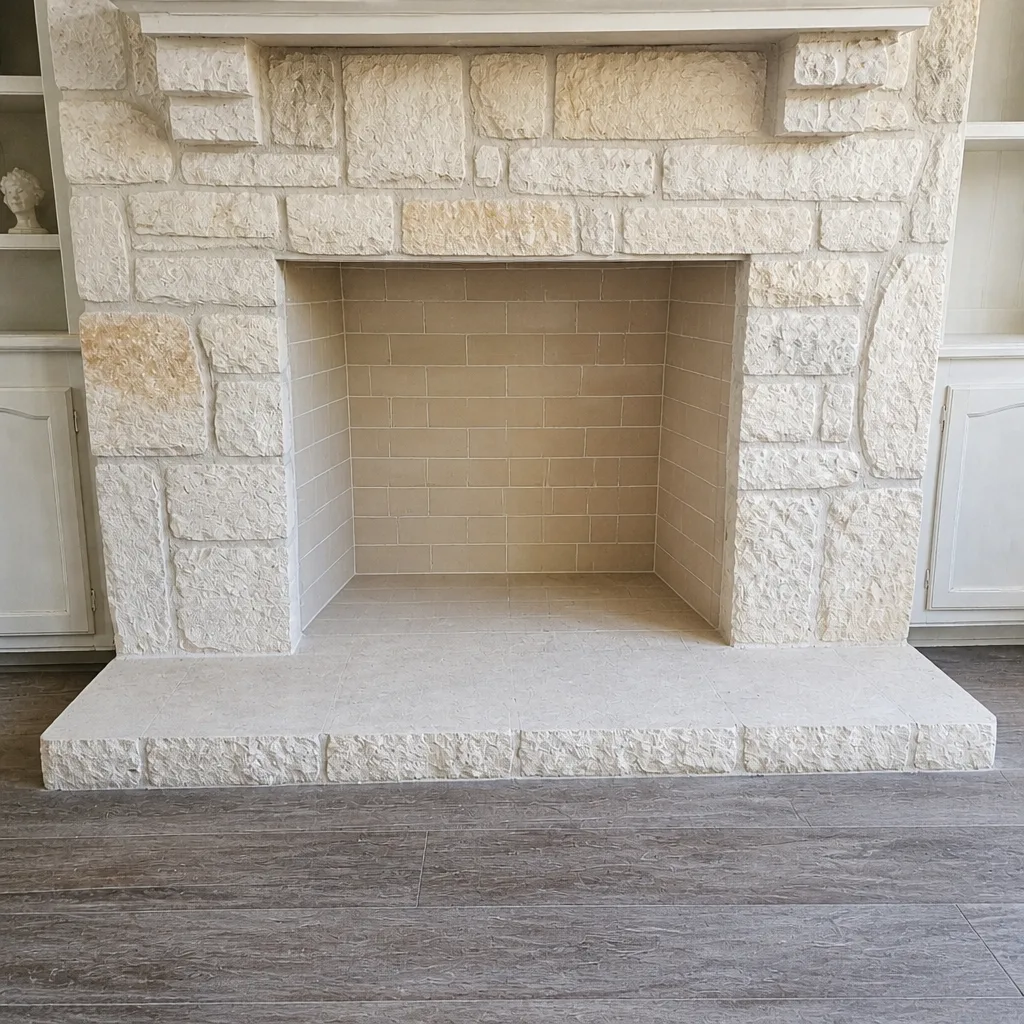
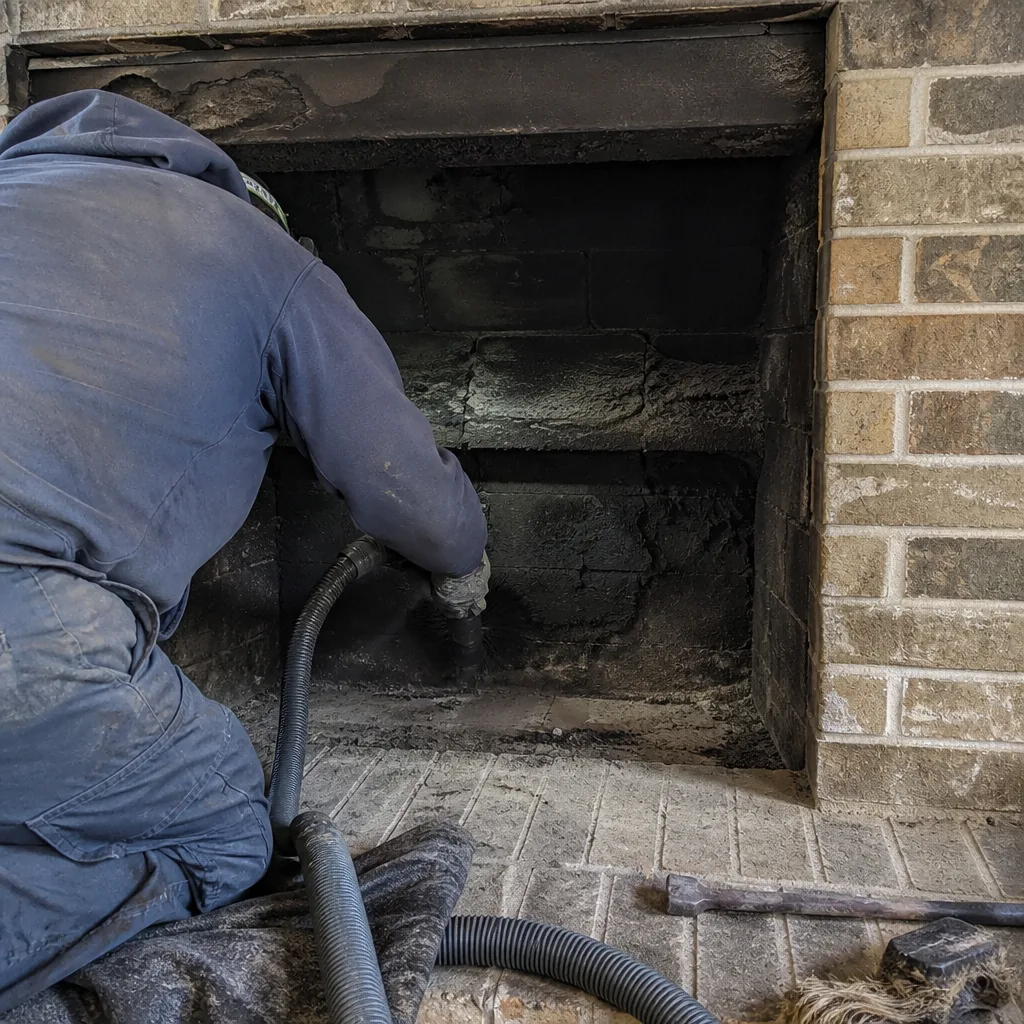
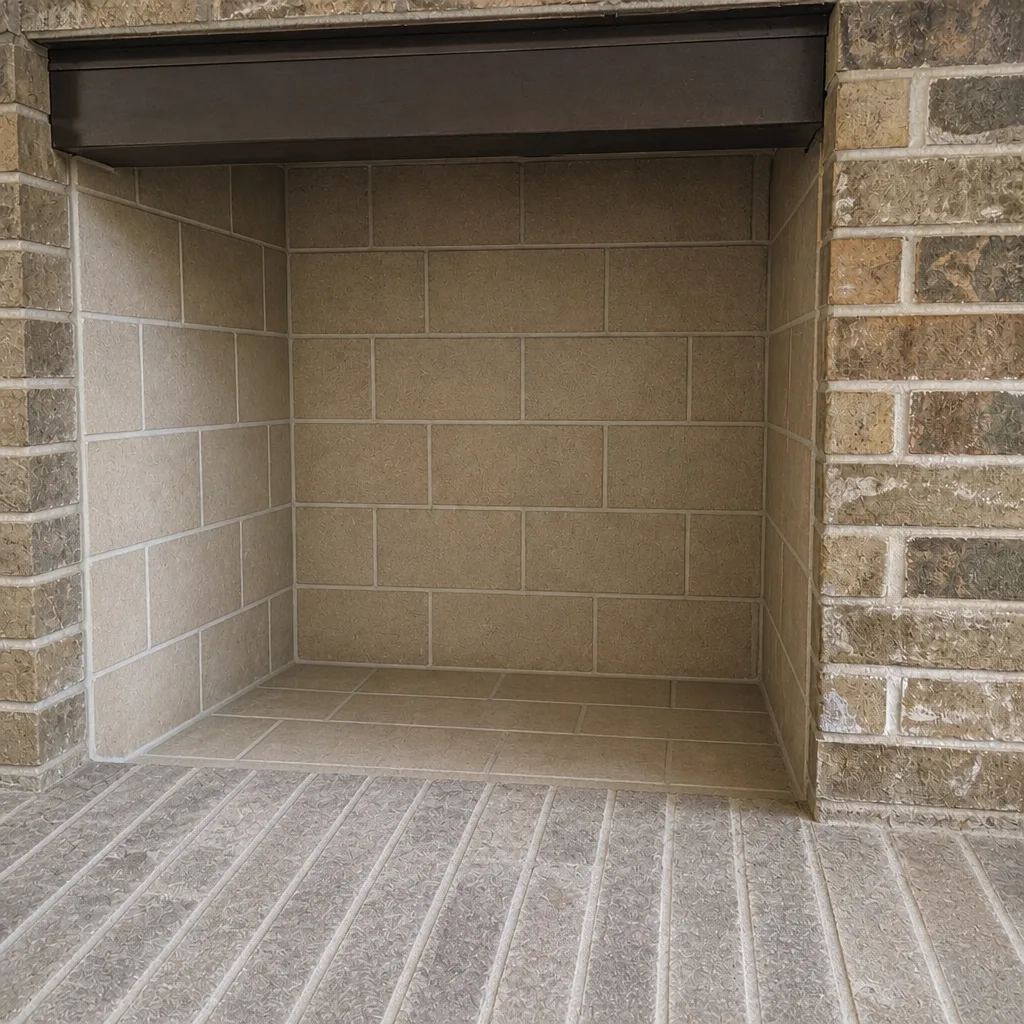
See the difference
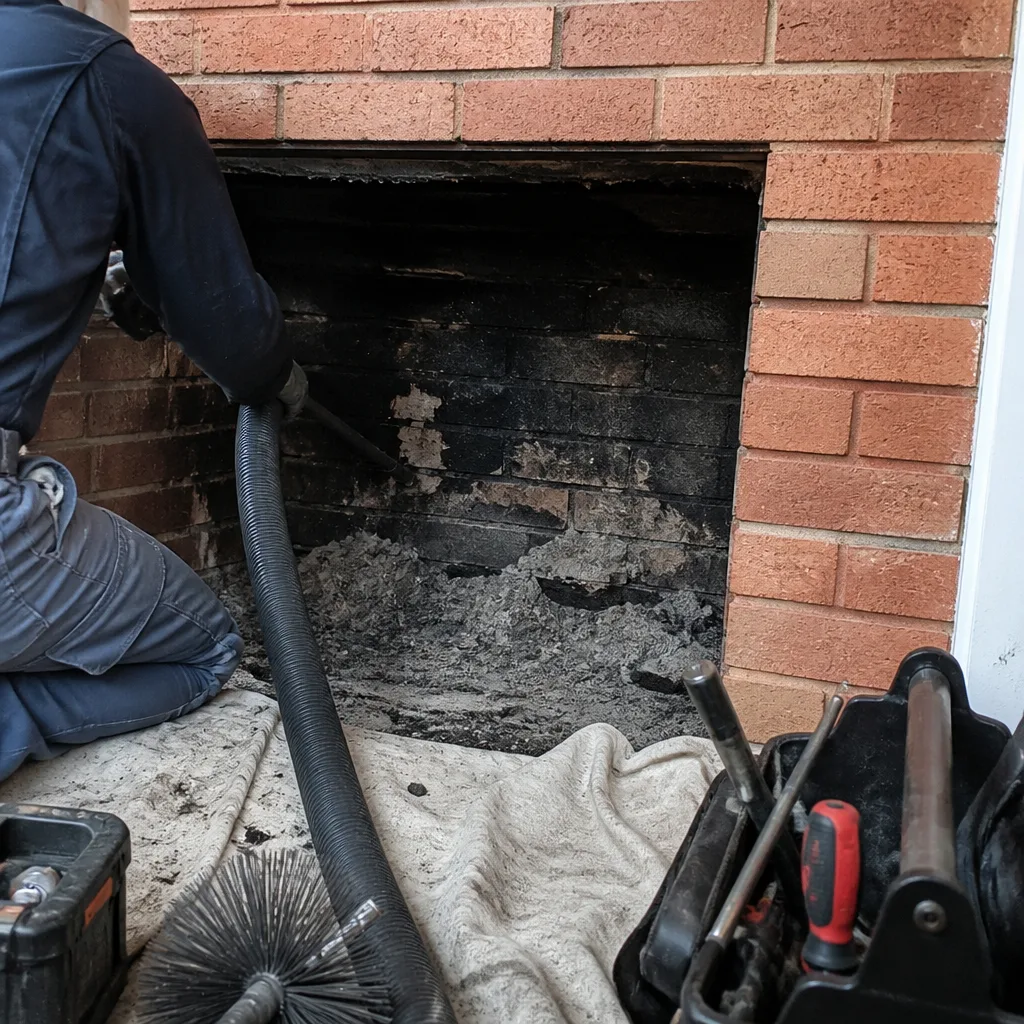 Before
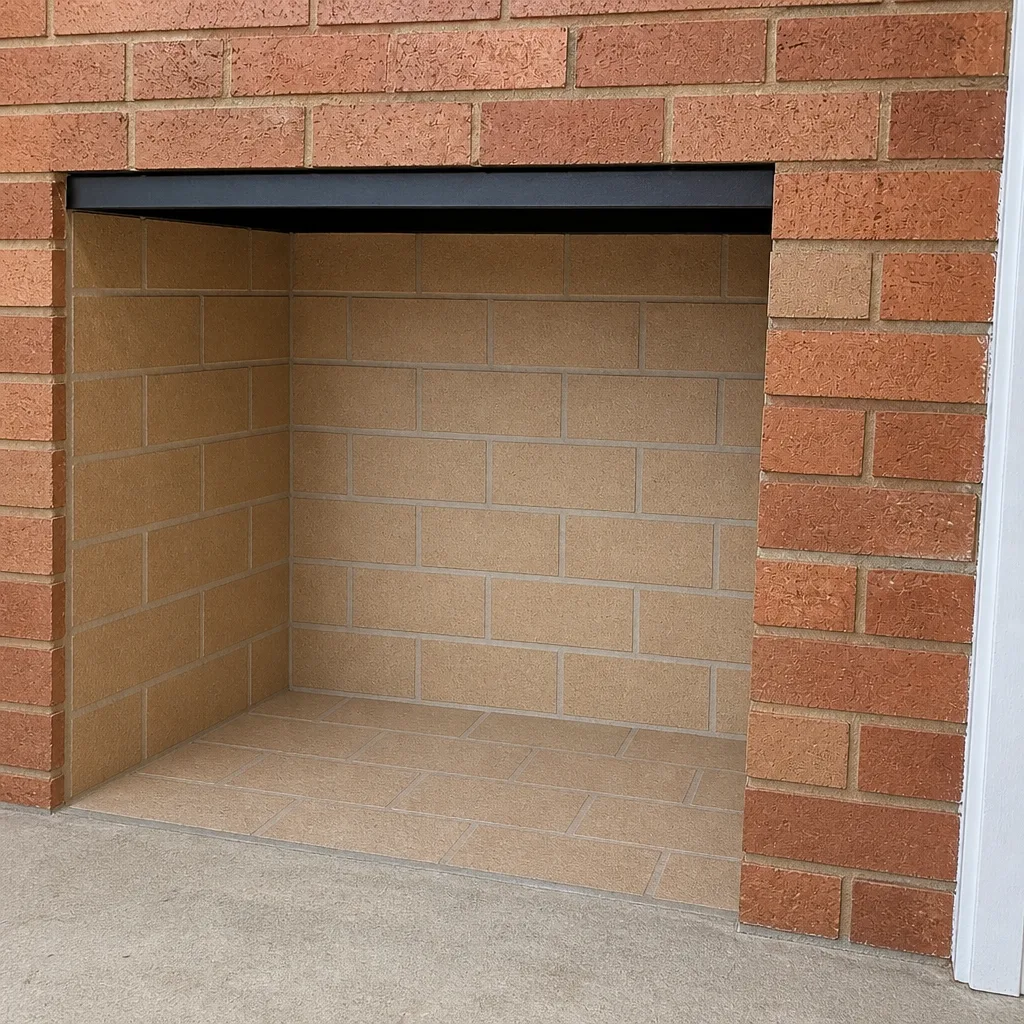 After
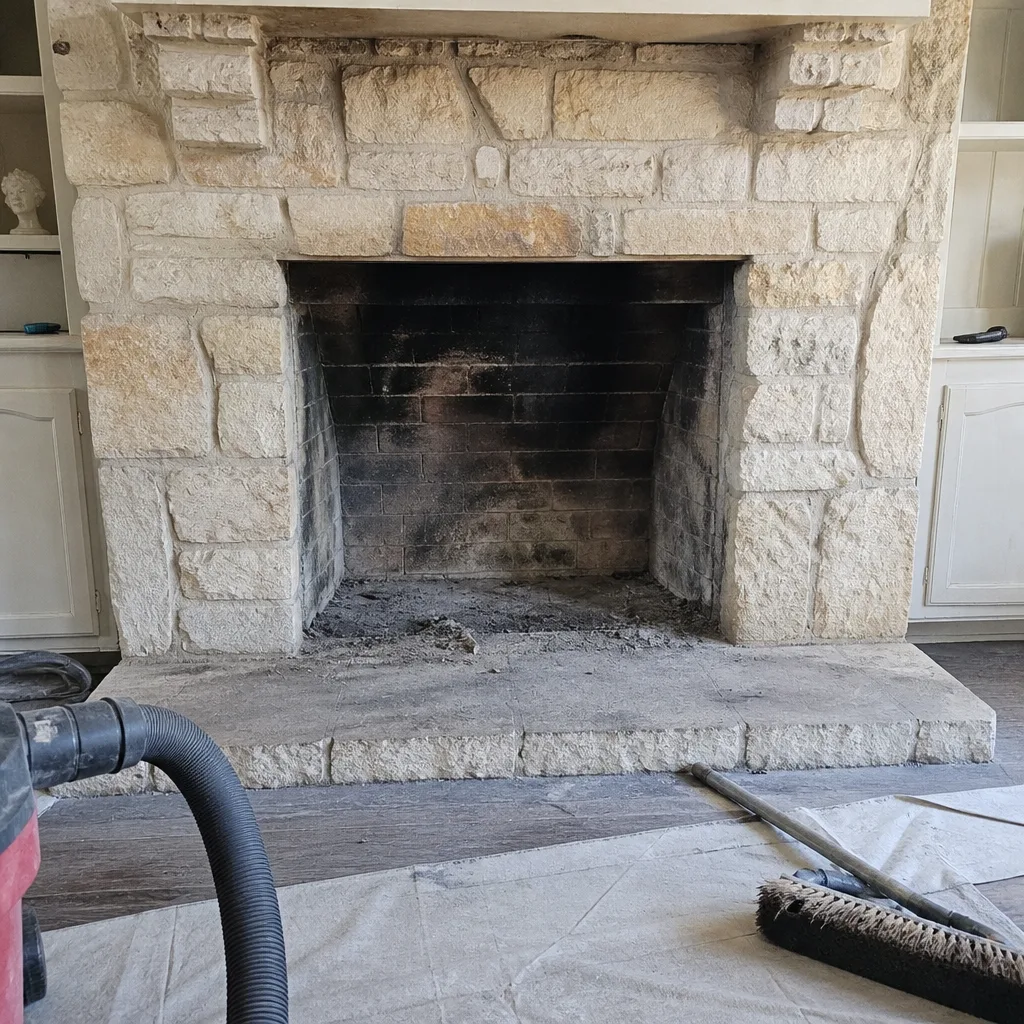 Before
 After
 Before
 After
When to Call a Professional
Call a professional if any of these are true: you’ve had a suspected chimney fire or overheat event; you’re headed into a season and haven’t had the flue looked at in over a year; you see glazed creosote, cracked mortar or a loose or rusted cap; a CO alarm has sounded near a fireplace or gas insert; or you see smoke rolling back into the room at startup. Those are all reasons to get a trained sweep on-site, not reasons to wait. We don’t promise same-day arrivals, but we do book a sweep with the right equipment and the right materials so a repair can follow the inspection if it’s needed. Chimney Sweep San Angelo offers free estimates in San Angelo. Call (833) 946-3155. We answer 24/7. Fast dispatch from 7am to 7pm, Sunday through Friday.
Frequently Asked Questions
The clearest signs are a low roaring sound inside the flue, a dense or discolored column of smoke or visible flame at the top, a popping or cracking sound, and a strong burning smell in rooms without a fireplace. A chimney fire can also put itself out, which is why some homeowners never realize one happened until an inspection finds cracked liner sections or glazed creosote. If you suspect one, treat it as real, call 911, and don’t relight the fireplace until a sweep has inspected it.
No, not until a qualified professional has inspected it and cleared it. Even a fire that burns itself out can crack the liner or separate mortar joints, and relighting before repair can push fire or gases into the structure. After a fire, the right sequence is: call your insurer, book a post-fire inspection (Level 3 is the standard for a known incident), and keep the fireplace off until the report clears it.
Because a cold flue drafts weakly at startup, and a weak draft lets combustion gases back into the room instead of sending them up and out. In a mild-winter city like San Angelo, many homes burn a fire for a few evenings during a cold snap and then go weeks without one, which means more cold-start relights per season than a home in a cold climate. A cracked liner, a blockage or a rusted-shut cap makes that risk worse. A working CO alarm on each level is the last line of defense; a camera inspection before the season is the first.
Close the damper if it’s safe to reach, get everyone out of the house, and call 911 from outside. Don’t open the firebox door, don’t open windows in the room, and don’t try to fight the fire from the fireplace side. A roaring fire pulls hard on the air around it, and opening anything up feeds it. Say plainly to the dispatcher that you suspect a chimney fire so the fire department decides whether the roof needs a look.
Because a fitted stainless-steel cap does more than keep rain out: it blocks birds, squirrels and nesting debris from entering the flue, which is a common cause of chimney fires the moment a fireplace relights. A generic screen bolted over the opening often doesn’t fit right, so debris still gets through, and a poorly sized cap can impede draft. We carry several cap lines, including Gelco, Olympia Chimney, Famco and Copperfield, so the cap can be fitted to your chimney’s actual profile.
Pre-cleanup photos of the firebox, damper area and flue interior; a plain description of the damage (cracked liner, separated joints, warped components); a cause assessment where it’s evident; the recommended repair scope with the materials proposed; and the inspection level performed. Photos taken before anything is swept or removed matter most, because they’re the evidence your insurer will rely on. Ask for the report in writing and keep it with your claim.
The Bottom Line
Chimney emergencies in San Angelo start long before the smoke alarm. Burst burning on a cold flue builds glazed creosote, unused chimneys collect nesting debris, and a generic screen or a rusted cap lets the problem in. The work that prevents most of it is boring: sweep on schedule, get a camera inspection with a photo report, fit a properly sized stainless cap, keep a working CO alarm on every level, and never relight after an overheat until a professional has cleared the system. If an emergency does happen, close the damper, get out, call 911, and document everything before you clean up. If you’d rather not guess at any of this, call us and we’ll walk the system with you.
When you’re ready to book a sweep, an inspection or a repair, call (833) 946-3155 for a free estimate. We answer 24/7. Fast dispatch from 7am to 7pm, Sunday through Friday. Our technicians have up to 11 years of experience, and we come prepared to clean it and fix it if needed. Learn more about Chimney Sweep San Angelo and how our three services cover your whole venting system.
Written by the team at Chimney Sweep San Angelo.