
Last updated November 15, 2026
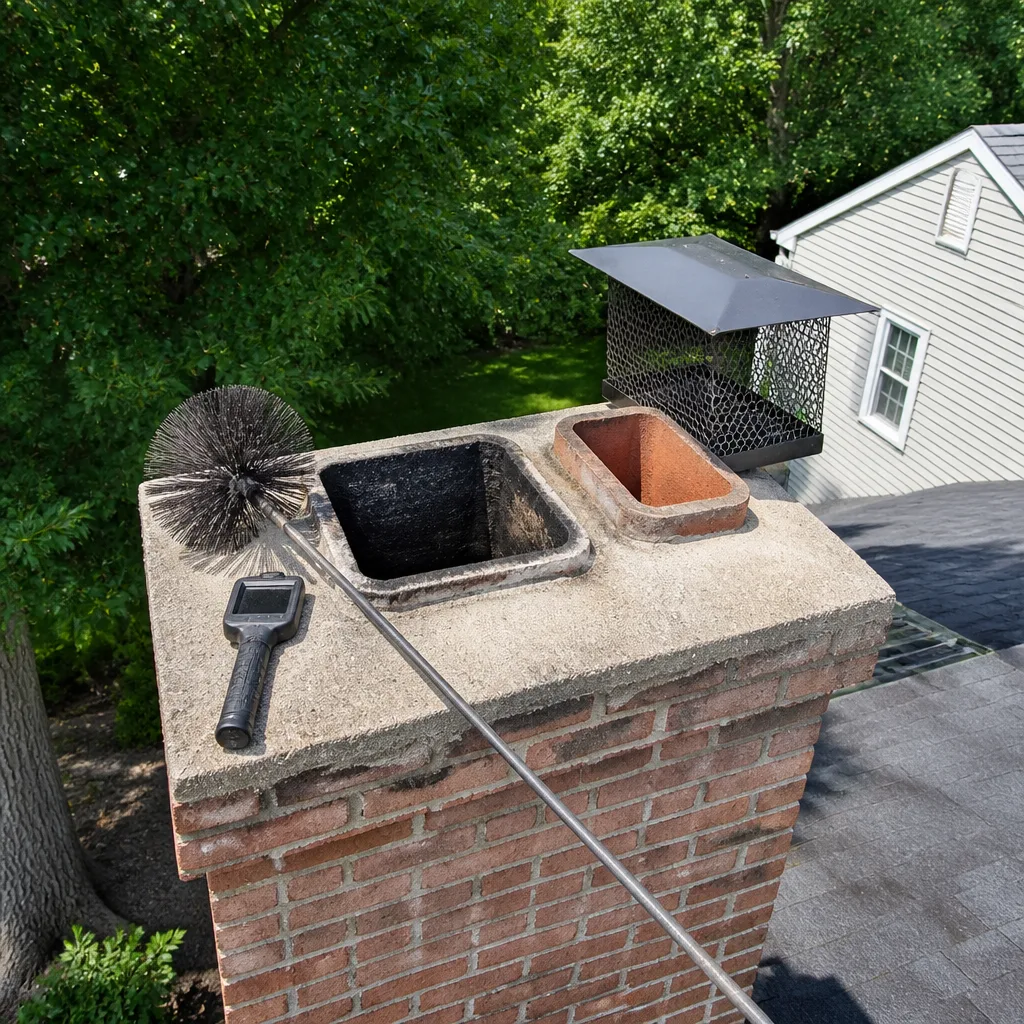 Sweep & inspection
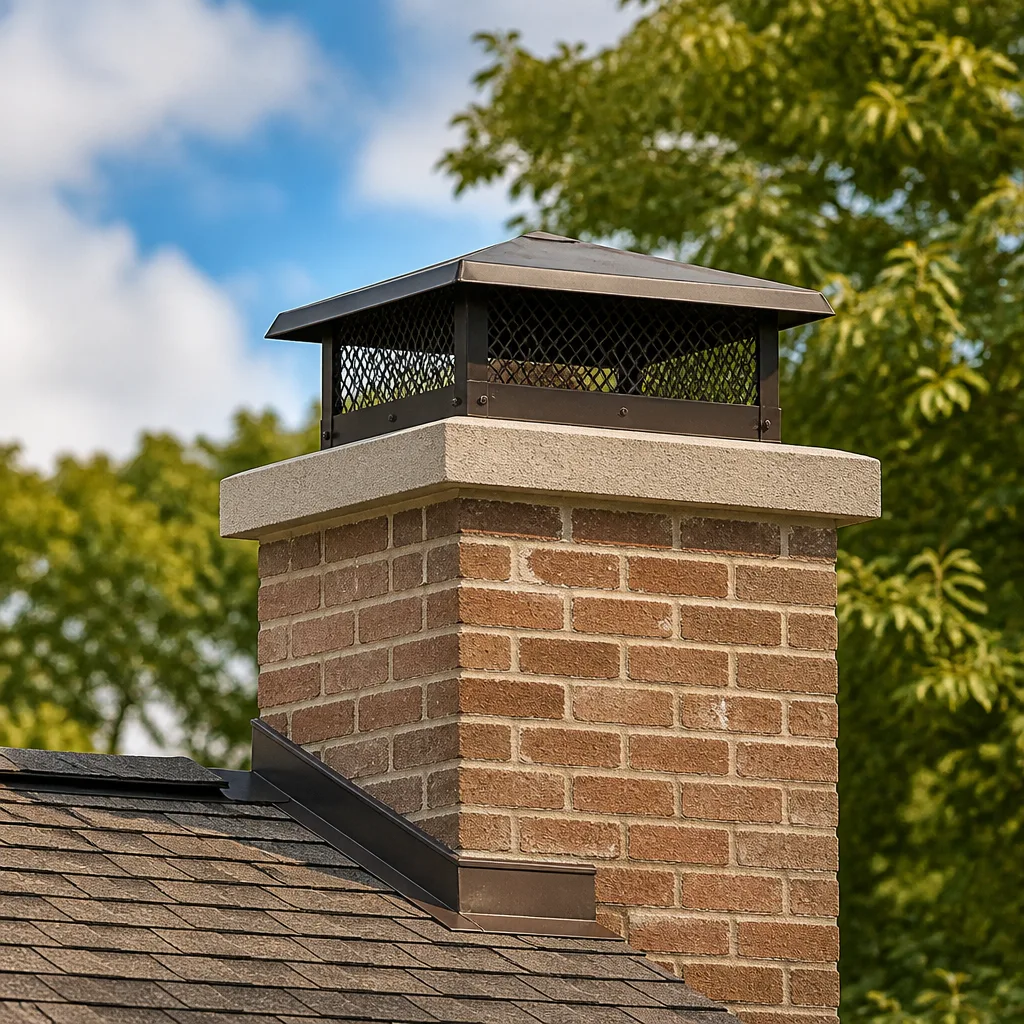 Caps & crowns
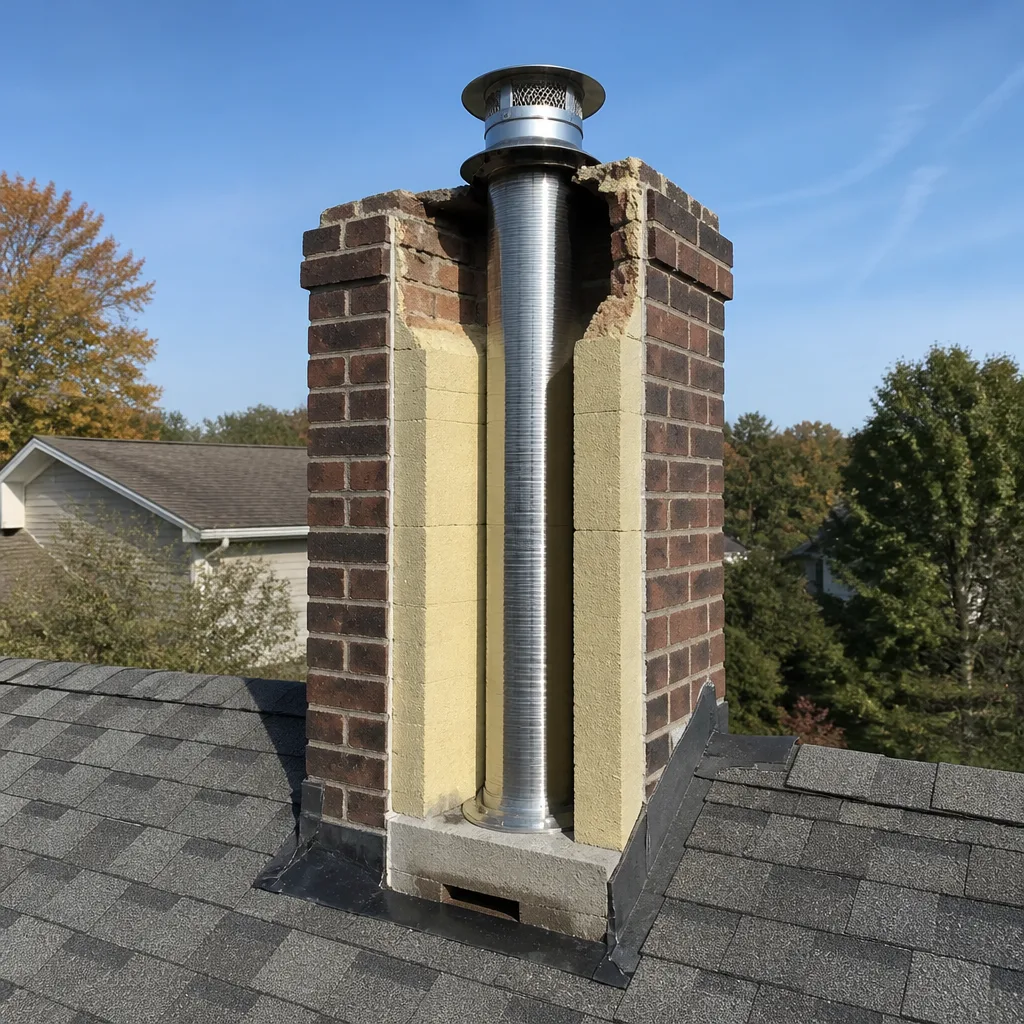 Flue relining
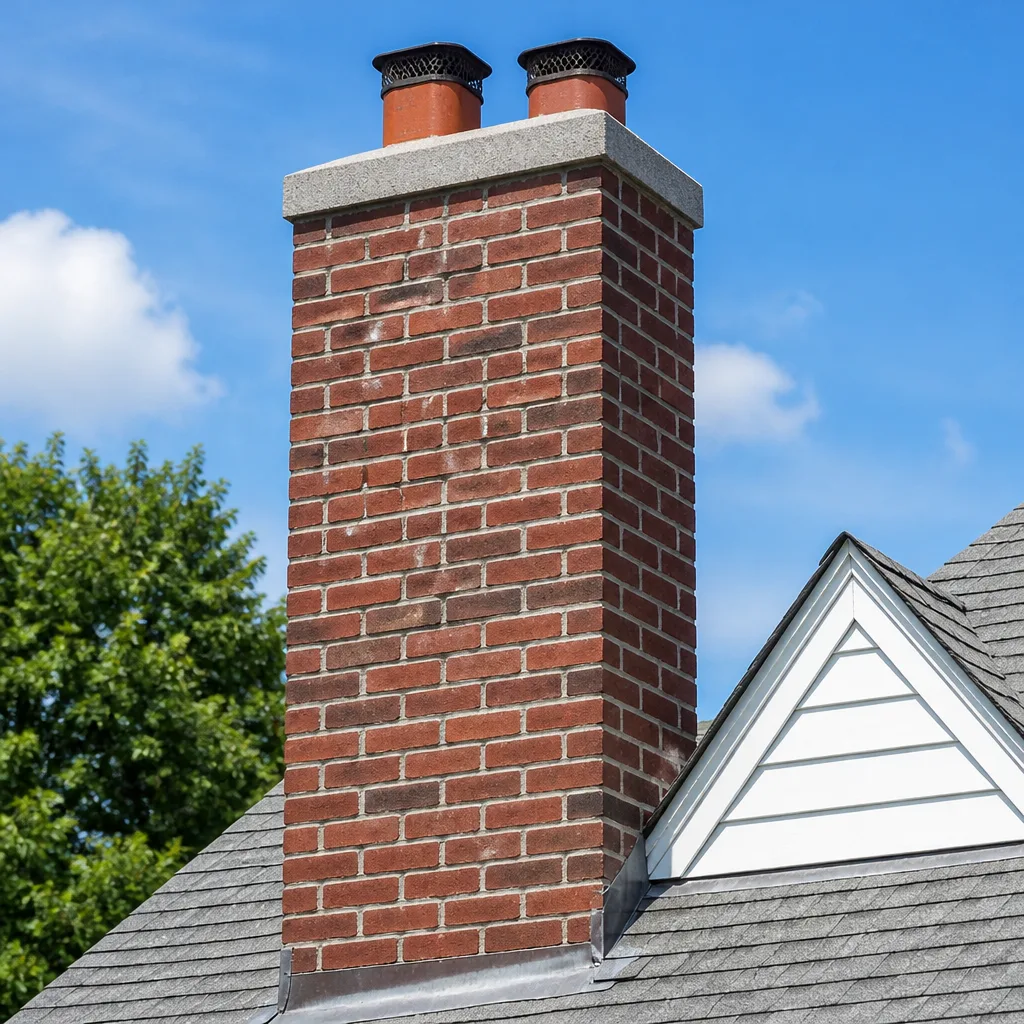 Masonry repair
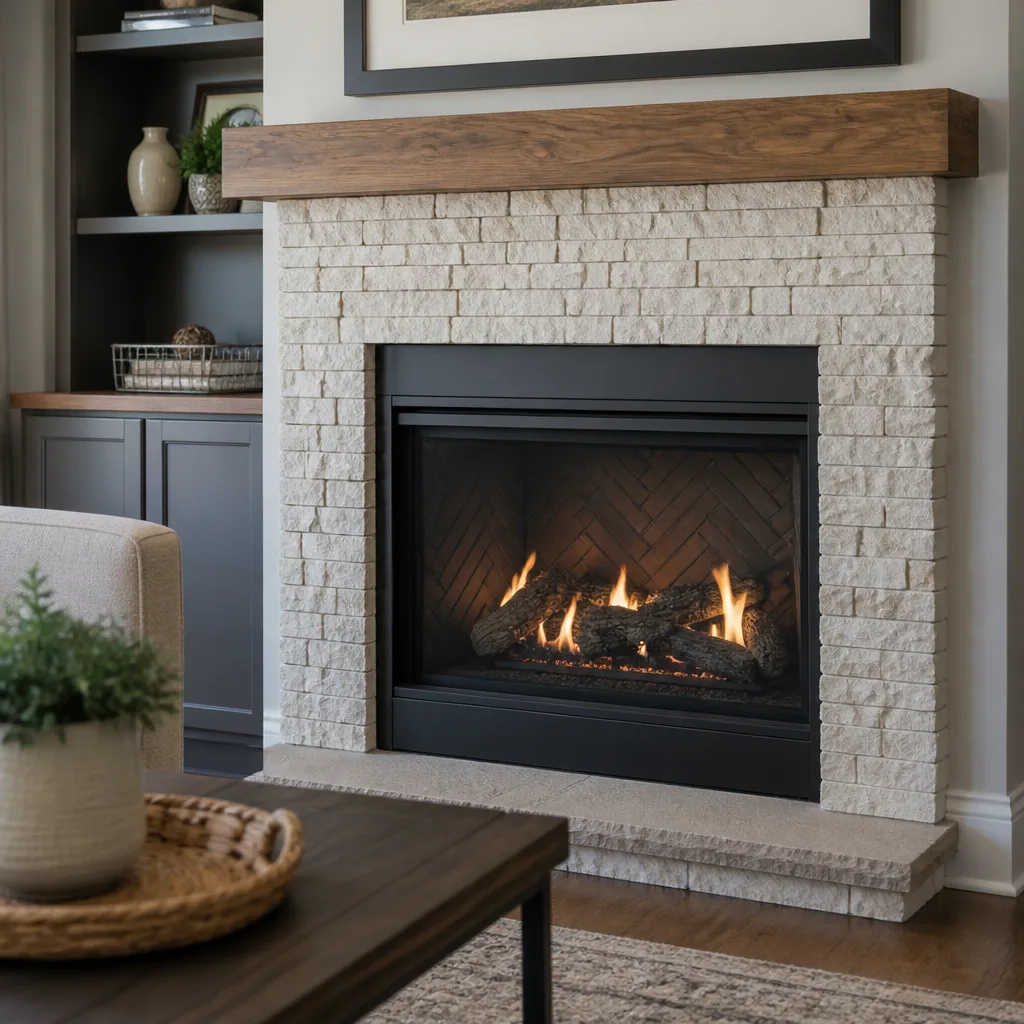 Gas fireplace service
Level 1 sweep and inspection to the NFPA 211 annual standard - flue, crown, cap, and flashing checked and photographed
Chimney sweep logs do not sweep chimneys. They loosen some creosote - which then falls where a brush and vacuum still have to collect it.
Chimney Cleaning Cost Breakdown: The San Angelo Homeowner’s Reference for 2026
The $79 chimney cleaning special is the most expensive thing in the ad. It lives on a flier or a coupon site, it never survives contact with an actual fireplace, and by the time the truck pulls away you’re staring at a repair estimate with numbers that don’t match what you were told on the phone. Chimney cleaning pricing in San Angelo has been this way for a while: quotes given over the phone, sight unseen, that quietly balloon once a technician is standing in your living room. This reference does the opposite. We break the 2026 market into line items – sweep, inspection, camera, resurfacing, relining – so you can budget accurately, spot a low-ball quote before you book it, and understand what a fair price actually buys.
Quick Answer
A standard chimney sweep in San Angelo typically runs $180 to $320 for a wood-burning fireplace, with a Level 1 inspection often included. A camera inspection of the flue adds roughly $75 to $150, HeatShield resurfacing of a damaged flue typically lands between $1,200 and $2,800, and a full DuraFlex stainless relining usually falls in the $3,000 to $6,500 range depending on flue height and configuration. The written estimate you receive after a technician has actually looked at your chimney sets the final price, and that estimate should be free.
Styles & brands we work with
- Sweep & inspection
- Caps & crowns
- Flue relining
- Masonry repair
- Gas fireplace service
Table of Contents
- Why Chimney Cleaning Quotes in San Angelo Rarely Match the Final Bill
- What Does Chimney Cleaning Cost in San Angelo in 2026?
- Level 1, 2, and 3 Inspections: What You’re Actually Paying For
- The Camera Question: Why You Should Pay for It Upfront
- HeatShield Resurfacing vs. Full Relining: Two Very Different Repairs
- What Drives Cost Variation in San Angelo
- How to Evaluate a Repair Recommendation
- Total Cost of Ownership: The $300 That Prevents the $3,000
Why Chimney Cleaning Quotes in San Angelo Rarely Match the Final Bill
Chimney work is one of the few home services where the price is routinely quoted before the technician has seen the job. A plumber won’t tell you what a repipe costs without crawling under the house. A roofer won’t price a replacement from the driveway. But chimney companies give phone quotes all day, and that’s where the trouble starts. A phone quote can only price one thing: the sweep itself, assuming a clean, accessible flue with nothing wrong inside it. The moment the sweep opens the damper and points a light up the flue, a dozen variables appear that no phone call can account for.
Here’s what typically sits behind a suspiciously low number:
- Inspection is priced separately and only revealed on site. The sweep is $79, and the inspection needed to do the job safely is another $200, disclosed after arrival.
- The flue is blocked or heavily glazed. Heavy creosote takes longer, uses more equipment, and sometimes requires chemical treatment. That’s real extra work, and it should have been anticipated in the quote.
- The firebox is masonry, not a factory insert. Masonry chimneys in older San Angelo homes take more time and more care than a steel firebox with a straight flue.
- A repair is found and priced urgently. A cracked crown, deteriorated mortar joint, or missing cap turns a cleaning visit into a repair visit before you’ve had time to think.
None of this means the company was dishonest. It means the quote was never a quote – it was an inspection fee disguised as a cleaning fee. The fix is straightforward: ask up front whether the price you’re given is the price after inspection, or the price before it. A company that answers clearly is one you can work with. A company that insists $79 is the whole cost, sight unseen, is telling you something.
What Does Chimney Cleaning Cost in San Angelo in 2026?
Chimney cleaning in San Angelo typically costs between $180 and $320 for a standard wood-burning fireplace, and that range includes a basic visual inspection. Prices in that band buy a competent sweep with the right brushes, a drop cloth, and a shop vac that catches what the brush loosens. Here’s the 2026 breakdown by line item.
| Service | Typical Estimated Range | What It Covers |
|---|---|---|
| Standard chimney sweep | $180 – $320 | Wood-burning fireplace, brushing of flue and firebox, visual check |
| Level 1 inspection | Usually included with a sweep | Readily accessible portions, visual only |
| Level 2 inspection | $150 – $300 | More thorough, includes camera access to the flue |
| Camera inspection of flue | $75 – $150 | Video of interior liner, with recorded footage you keep |
| HeatShield flue resurfacing | $1,200 – $2,800 | Restores deteriorating mortar joints in a masonry flue |
| DuraFlex stainless relining | $3,000 – $6,500 | Full flexible liner installation, sized to the appliance |
| Chimney cap (Gelco, Olympia Chimney) | $150 – $400 installed | Fitted cap sized to the flue opening |
Every one of those figures is an estimate. The written quote – after a technician has looked at your chimney – is the price that holds. On a San Angelo job we’ve found that flue height, masonry versus insert, and how long it’s been since the last service do most of the work of shifting the number up or down. That estimate should be free, and you shouldn’t feel pressured to decide the same day for anything that isn’t a live safety concern.
Level 1, 2, and 3 Inspections: What You’re Actually Paying For
Chimney inspections come in three recognized levels, and understanding them is the fastest way to spot an inflated quote. A Level 1 inspection is a visual check of what’s readily accessible – the firebox, damper, and as much of the flue as can be seen from the top and bottom. It’s priced into most sweeps and costs nothing extra. A Level 2 adds video camera access and is the appropriate inspection whenever you change fuel type, install a new appliance, or buy a home with a chimney whose history is unknown. A Level 3 involves opening the structure – removing masonry or a chase panel – and only happens when a Level 2 finds a defect that can’t be evaluated any other way.
As a homeowner, you’ll encounter Level 1 and Level 2 the most. Here’s the practical sequence:
- Book the sweep. A standard chimney sweep includes a Level 1 visual inspection in the cost.
- Ask what the technician sees. If the flue is glazed, blocked, or the liner looks suspect, ask for a Level 2 with camera.
- Watch the camera footage. A proper Level 2 records video you can review and keep. If you’re shown still frames only, ask for the full video.
- Get the findings in writing. The inspection report should note what was found, at which depth in the flue, and what the technician recommends.
Level 3 is rare and expensive, and it should never be quoted on the first visit without a Level 2 that documents why. An inspection report that names the problem is worth every dollar you paid for it. An inspection that only names a solution – “you need a new liner” – tells you nothing you can verify.
The Camera Question: Why You Should Pay for It Upfront
A sweep who charges separately for a camera inspection is more trustworthy than one who offers it free, and the reason is simple. A free camera inspection still has to be paid for somewhere – usually by the repair it uncovers. When camera work is priced into the sweep, the technician has an incentive to find something. When it’s priced honestly as its own line item, the evaluation stands on its own merits, whether or not you decide to repair.
Pricing the camera at $75 to $150 also tells you the sweep expects to do real work with it. The technician runs a camera down the flue, records what it sees, and hands you that recording. You can watch the footage, show it to a second opinion if you want, and see for yourself whether the mortar joints look sound or whether the liner has failed. That recorded footage is the difference between a recommendation you have to take on faith and one you can verify in your own living room.
In San Angelo, this matters because chimney fires leave predictable evidence inside a flue – glazing, spalling, and cracked masonry don’t look the same as normal wear. When we’ve run camera inspections on older masonry chimneys around here, the footage frequently shows what a visual-only inspection can’t: hairline cracks in the flue tiles and patchy creosote glazing above the smoke chamber. Without a camera you’d never know, and without a recording you’d have to trust someone else’s word for it.
Ask every chimney company you call a direct question: is the camera inspection priced separately, and will we get the footage? A clear yes on both counts is a good sign. A vague answer or a promise of a free camera with the cleaning deserves a second call to someone else.
HeatShield Resurfacing vs. Full Relining: Two Very Different Repairs
When a masonry flue is deteriorating, you’re usually offered one of two repairs: HeatShield flue resurfacing or a full DuraFlex stainless relining. They’re not interchangeable, and pricing is where the gap becomes obvious. HeatShield typically runs $1,200 to $2,800; a full reline runs $3,000 to $6,500. That gap is why some companies skip resurfacing entirely – the reline pays better. But if the flue is a candidate for HeatShield, that’s a real, standing repair, not a stopgap.
HeatShield is a resurfacing compound applied to the interior of a masonry flue. It restores deteriorating mortar joints and smooths the flue surface without requiring a full liner. It’s specified for masonry chimneys where the structure is sound and the damage is limited to joint deterioration or surface wear. It isn’t the right answer for a tile liner that has cracked completely through, or for an unlined chimney feeding a modern appliance. When it fits, it’s a cost-conscious fix that keeps the chimney in service without rebuilding the flue. When it doesn’t fit, telling you so is the honest answer.
A full reline with DuraFlex is a different job: a flexible stainless steel liner sized to the appliance, running the length of the flue. That’s what you need when the flue is unlined, when the liner is compromised, or when you’re upgrading to a new insert that requires a correctly sized flue. DuraFlex is the brand we install – the same one professional sweeps across the country specify – because it’s flexible enough to handle the offsets and bends older San Angelo masonry chimneys have and it goes in as a continuous piece with fewer joints to fail.
Two questions decide which repair you need:
- Does the camera footage show structural failure, or only surface and joint wear?
- Is the chimney currently lined, and does the appliance need a specific flue size?
If the camera shows sound structure and deteriorated joints, ask about HeatShield. If it shows cracks through the liner or a missing liner, a reline is the right call. If a company recommends a full reline without showing you the footage that justifies it, ask to see the footage.
What Drives Cost Variation in San Angelo
Two houses on the same block can get quotes $200 apart for the same service, and it isn’t arbitrary. Four things account for most of the difference here.
- Flue height. Taller chimneys take more brush, more time, and more liner. A one-story home’s chimney is a faster job than a two-story chimney with a long run.
- Liner material. A factory-built steel firebox is usually a faster, cheaper sweep than a masonry flue, which requires more careful brushing and more time at the damper.
- Time since last service. A chimney swept every couple of years is a maintenance visit. A chimney that hasn’t been touched in a decade may have heavy creosote glazing that takes chemical treatment and a second visit before the brush can finish the job.
- Wood use history. Mesquite burns hot and leaves a different creosote profile than a standard split hardwood. Homeowners who burn mesquite regularly often find glazing that sets up harder than expected, and that gets priced into the sweep.
San Angelo’s mild winters mean fireplaces here do different work than they do up north. Many households burn in short doses – a few fires in the evening when the season turns cold – rather than running a fire all winter. Short, hot fires with incompletely seasoned wood can produce more creosote than long, steady burns, and that shows up inside the flue even on a chimney that hasn’t seen heavy use. There’s no peak season here the way there is in colder climates; the busy window tends to be the weeks before the first real cold snap, and the fair-weather stretch in the middle is when a sweep is easy to book.
A chimney cap is the other common line on a San Angelo estimate. Capping the flue keeps rain, birds, and wind-blown debris out, and it’s a small line item that prevents bigger problems. We fit caps from Gelco, Olympia Chimney, and other reputable makers so the cap matches the actual flue profile rather than being a one-size generic lid. Installation typically runs $150 to $400, and it’s worth doing at the same appointment as the sweep when the cap is missing or damaged.
How to Evaluate a Repair Recommendation
The question every homeowner asks, and rarely gets a clean answer to: is this repair really necessary, or is it a sale? A proportionate recommendation matches the evidence. A disproportionate one names the solution before it names the problem. Here’s how to tell the difference.
- Ask what the inspection found, in specific terms. “The flue is bad” isn’t a finding. “The camera shows mortar joints missing at the four-to-six foot mark” is.
- Watch the footage. If camera inspection is part of the estimate, you should be reviewing the video, not just hearing about it.
- Ask what happens if you do nothing. A good technician can tell you whether the repair is urgent, needed within the year, or safe to monitor. Skipping a repair on a flue that isn’t currently in use is very different from skipping one on a fireplace you light every week.
- Get it in writing. The written estimate should break out the repair by line item – parts, labor, and the brand of materials (DuraFlex liner, HeatShield compound, a specific cap brand) – so you know what’s going into your chimney.
- Get a second opinion if the number is over $2,500 and you haven’t seen footage that explains it. There’s no penalty for asking, and a second look costs far less than a reline you didn’t need.
When work can safely wait, we say so. A cracked crown that hasn’t yet allowed water into the masonry, a cap that needs replacing but isn’t affecting the flue, a flue on a fireplace you won’t light this year – those are real answers too, and they should appear in the report. Nothing we recommend goes unbacked by camera footage you can review, and if the footage only supports a partial repair, we’ll tell you the partial repair is enough.
The Chimney Sweep San Angelo page shows the full scope of what we do, from a routine sweep to the structural repairs that follow an inspection that doesn’t come back clean. One call covers the chimney and the dryer vent together, and the products we bring – DuraFlex, HeatShield, Gelco, Olympia Chimney – are professional-grade, not substitutes from the hardware aisle.
Total Cost of Ownership: The $300 That Prevents the $3,000
A chimney sweep is a maintenance cost, not a repair cost, and that distinction is where most of the money in chimney work is saved or lost. A sweep every year or two at roughly $180 to $320 protects the flue. A liner that goes three or more years between services can accumulate glazing thick enough to support a chimney fire, and a chimney fire can crack the liner or damage the masonry in ways a reline – at $3,000 to $6,500 – is the only reliable fix. The math is straightforward: three years of skipped cleaning at roughly $250 per visit is $750 of deferred maintenance, and a liner repair is four to eight times that. There’s no discount for waiting, and the safety part of the equation runs the other way.
Chimney fires aren’t the only hazard a skipped service leaves in place. A blocked or partially blocked flue can push carbon monoxide back into the living space rather than up and out, and a flue that hasn’t been checked in years might have a bird nest, a broken flue tile, or a crown failure letting water into the masonry. None of those announce themselves until the fireplace is in use. That’s the case for cleaning the chimney before the weather turns cold rather than the first night you want a fire.
The dryer vent belongs in the same budget. The NFPA links dryer vents to nearly 2,900 home fires per year, and much of that risk is lint accumulation in a long or bent vent run. We offer dryer vent cleaning as a standalone service because most chimney-only specialists skip it, and the two problems share a root cause: a venting system that hasn’t been inspected since it was installed. Booking both on one visit is cheaper than booking them separately, and it puts the whole venting system in one report.
The other half of the ownership math is the small repairs done on time. A cracked crown at $250 to $500 now prevents water infiltration that turns into HeatShield resurfacing or a masonry repair year after year. A missing cap at $150 to $400 keeps nesting debris and rain out of the flue. These aren’t upsells – they’re the small, proportional fixes that keep a chimney in the maintenance column.
If you’re budgeting for 2026 in San Angelo, plan on one cleaning per year for a fireplace in regular use, budget $250 to $350 for the visit, and hold a modest reserve for small repairs. The chimney that gets swept on schedule almost never needs the expensive work. The one that goes five years without a visit often does.
Common Mistakes to Avoid
- Booking the lowest phone quote. The lowest number at the other end of the phone is often the one with the most upside once the technician is inside. Ask what you’ll pay for the sweep after inspection, not just before it.
- Turning down the camera inspection because it costs extra. A $75 to $150 camera fee is the cheapest part of the visit and the one that justifies everything else. Skip it and you’re evaluating your flue on someone else’s word.
- Assuming the chimney is fine because no smoke comes into the room. A flue that draws correctly can still be lined with glazing, cracked tiles, or a failed crown. The failure shows up on a camera, not in the living room.
- Skipping the sweep in a mild winter. San Angelo’s short heating season makes it easy to think one season off won’t matter. Three seasons off is the case that ends in a reline.
- Competing for the flue with your dryer vent in the budget. The dryer vent is a fire hazard in its own right – nearly 2,900 home fires per year according to the NFPA – and it’s easy to forget when you’re only thinking about the fireplace.
- Taking a reline quote without seeing the footage. A recommendation that isn’t backed by camera evidence you can watch is a recommendation you can’t verify. Ask for the recording.
- Ignoring the cap. A missing or damaged cap lets rain, debris, and birds into a flue you just paid to clean. A properly fitted cap from a maker like Gelco or Olympia Chimney is small money against the alternative.
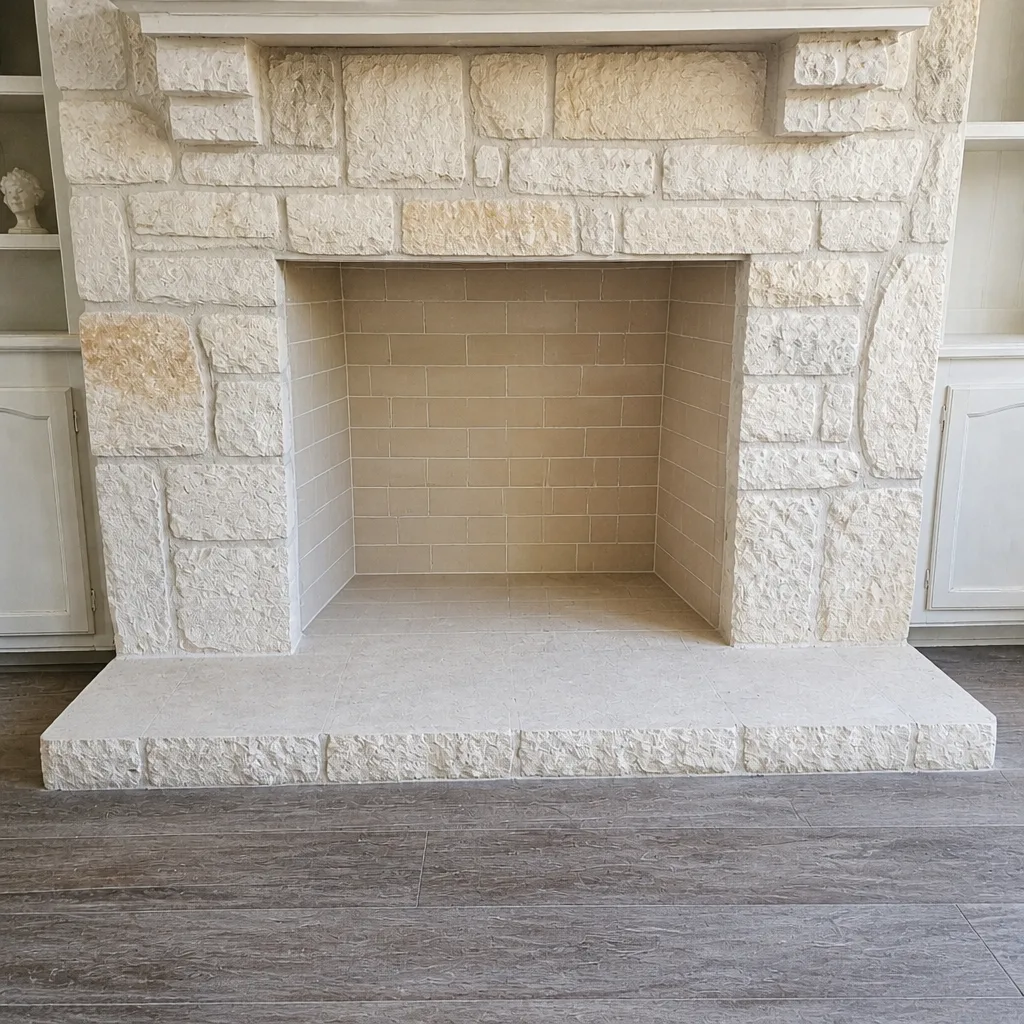
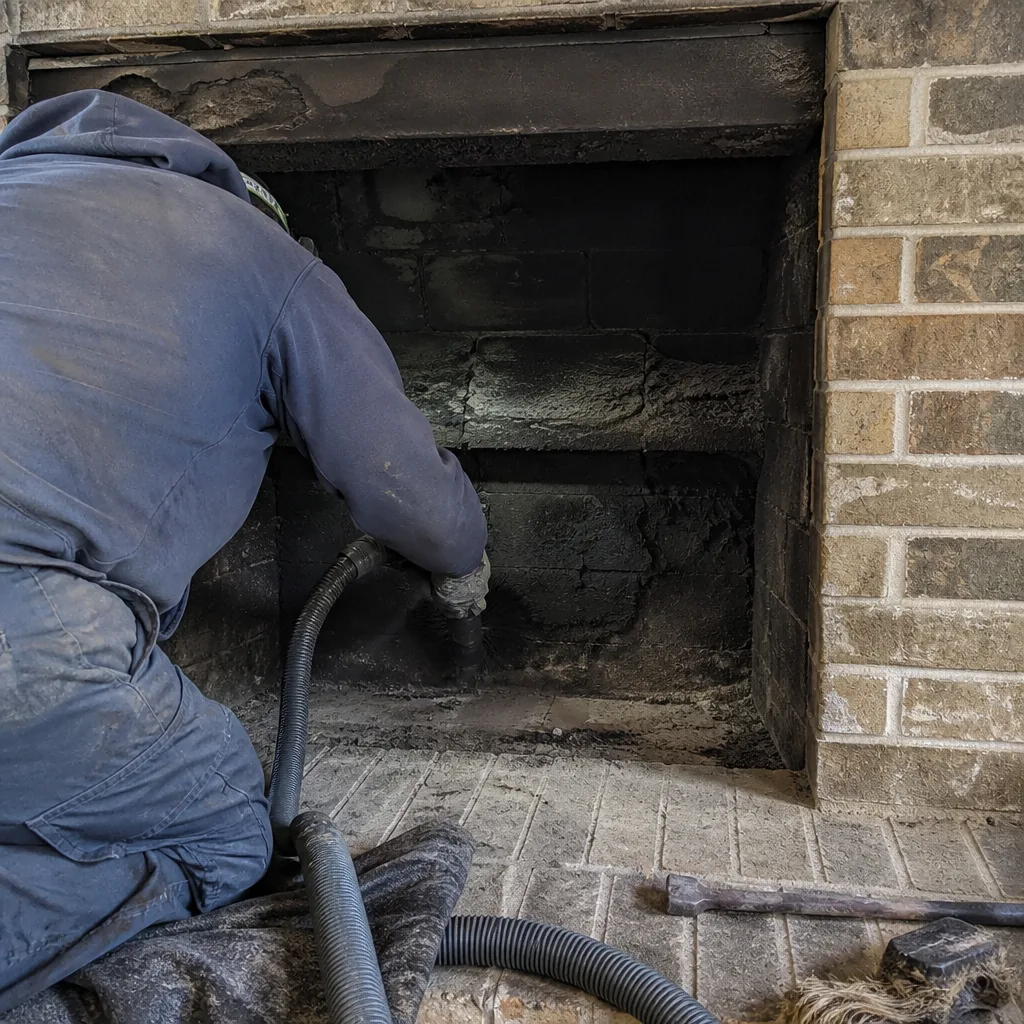
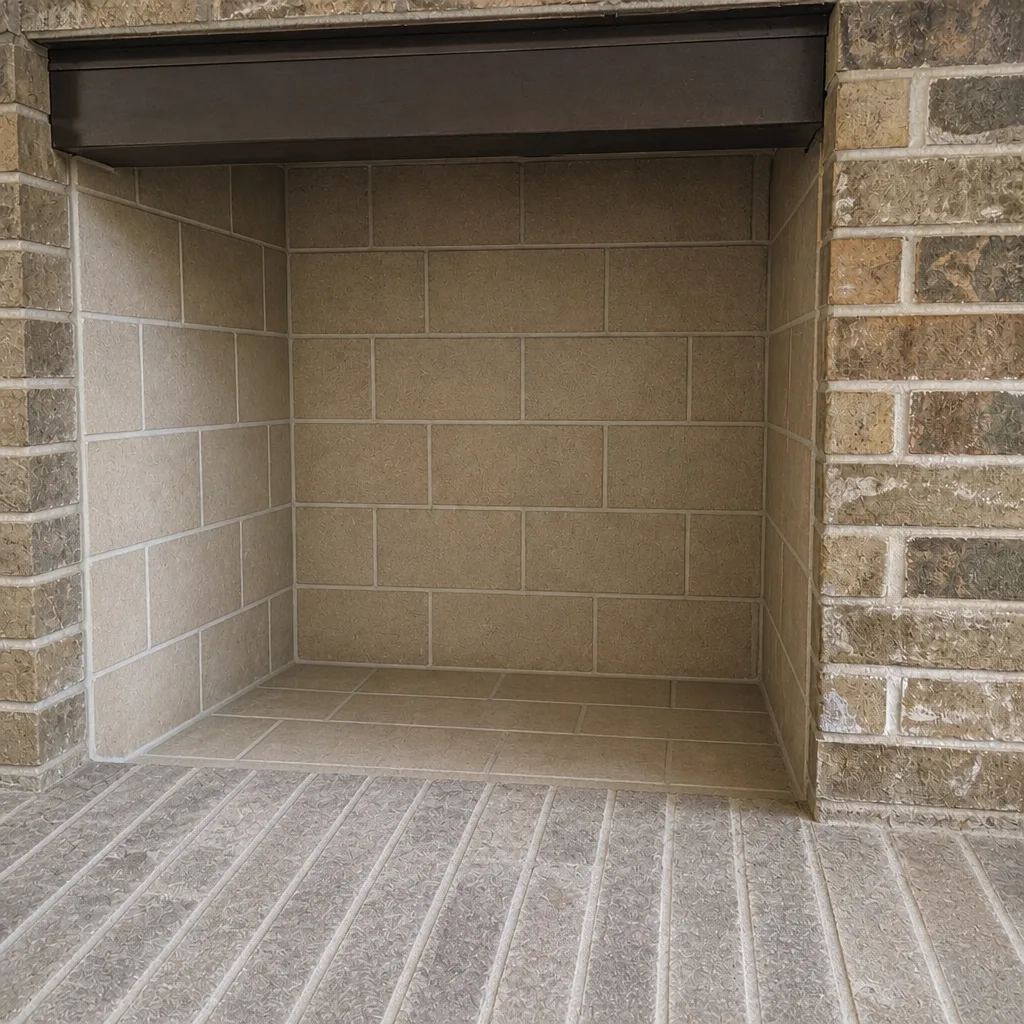
See the difference
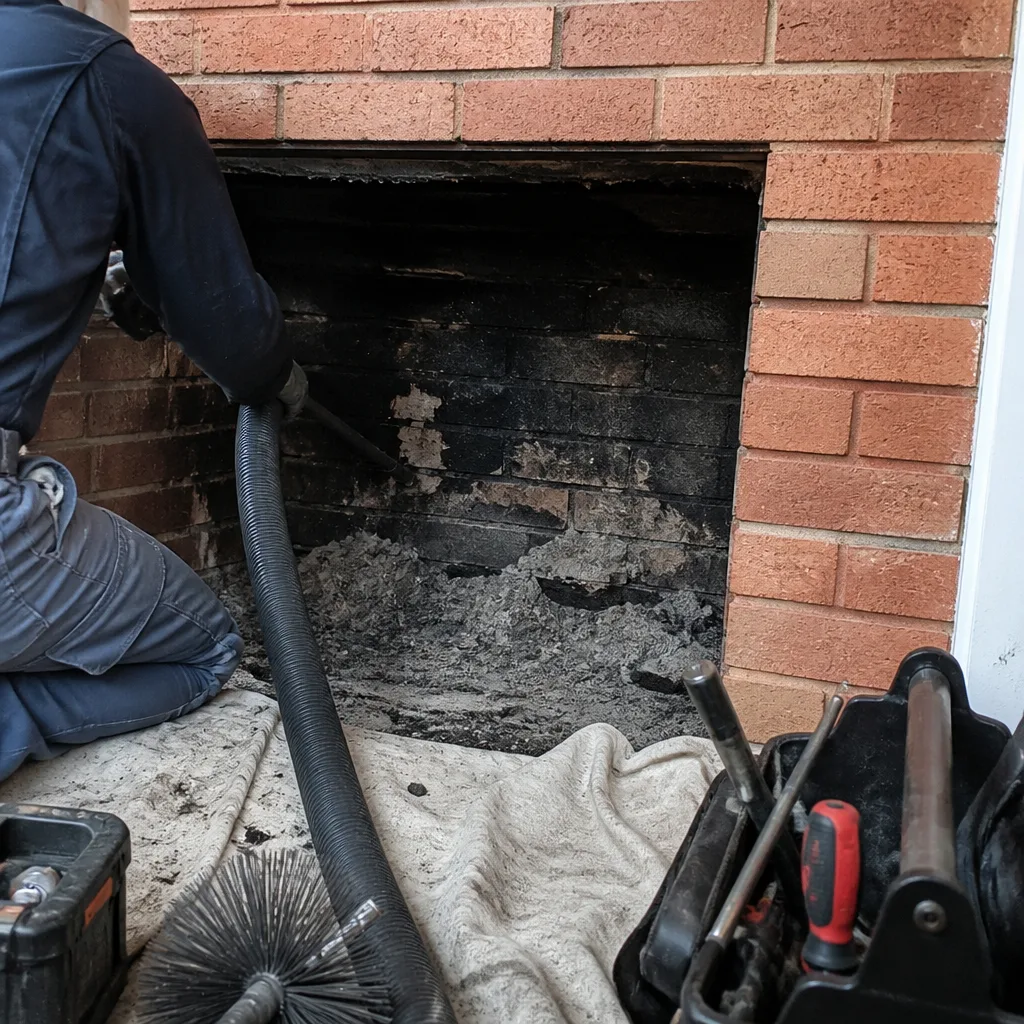 Before
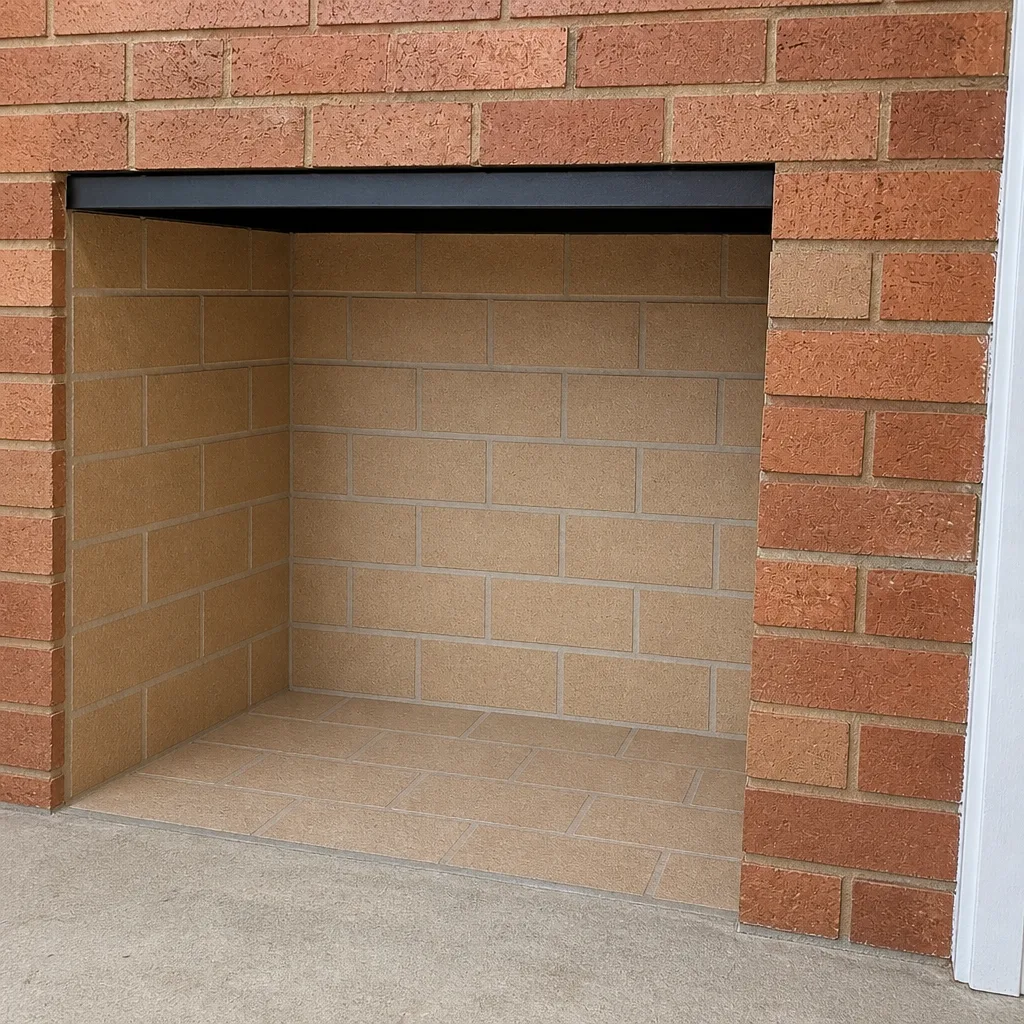 After
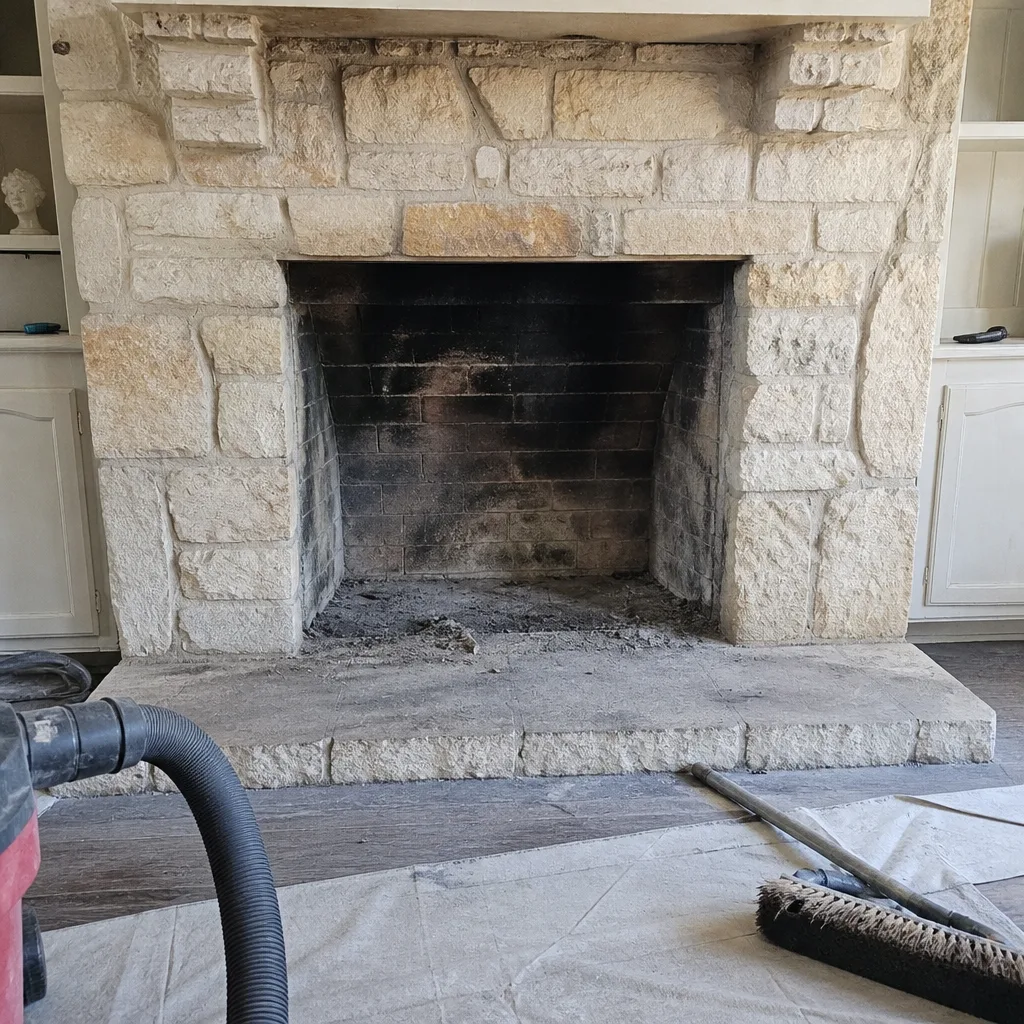 Before
 After
 Before
 After
When to Call a Professional
Call a professional chimney sweep when you haven’t had the chimney inspected in a year or more, when you move into a house with an unknown service history, when you notice a strong smoky odor long after the fire is out, or when you can see cracked or missing masonry around the crown or firebox. Call before the season turns, not after – the run-up to the first cold snap is the busiest stretch in San Angelo, and it’s the worst time to find out you need a repair.
If the camera inspection turns up a problem you can’t fix yourself, that’s what the chimney sweep appointment was for. We’d rather tell you a repair can wait than sell you a reline you don’t need, and every recommendation we make comes with footage you can review. Chimney Sweep San Angelo offers free estimates in San Angelo – call (833) 946-3155. We answer 24/7. Fast dispatch from 7am to 7pm, Sunday through Friday.
Frequently Asked Questions
A standard chimney sweep in San Angelo typically costs $180 to $320, and that price includes a Level 1 visual inspection. A camera inspection runs an additional $75 to $150, and the written estimate sets the final price. Call (833) 946-3155 for an exact quote – estimates are free.
A camera inspection is not an upsell when it’s priced as its own line item – it’s the only way to see inside the flue. Damage from a chimney fire or a failing liner usually doesn’t show up in a visual inspection from the firebox. Ask what the camera costs separately, and ask to keep the footage. Call (833) 946-3155 for an exact quote – estimates are free.
HeatShield resurfacing restores deteriorating mortar joints inside a masonry flue and typically runs $1,200 to $2,800. A full DuraFlex reline installs a stainless liner in the flue and typically runs $3,000 to $6,500. Which you need depends on what the camera shows: joint wear means resurfacing may fit, structural failure means a reline. Call (833) 946-3155 for an exact quote – estimates are free.
Once a year is the standard for a wood-burning fireplace in regular use, and once every two years is often enough for a gas insert used mostly for show. Chimneys that burn mesquite regularly may need the annual visit to stay ahead of glazing. The camera inspection tells you whether your chimney’s interval can stretch. Call (833) 946-3155 for an exact quote – estimates are free.
Creosote glazing builds up inside the flue and, in the worst case, supports a chimney fire that cracks the liner or damages the masonry. A skipped sweep can also leave a blocked flue pushing carbon monoxide into the house instead of up and out. A sweep at $180 to $320 every year or two is far cheaper than the reline a chimney fire requires. Call (833) 946-3155 for an exact quote – estimates are free.
Yes – dryer vent cleaning is a standalone service, and the NFPA links dryer vents to nearly 2,900 home fires per year. Lint accumulates in long or bent vent runs, and a vent that hasn’t been opened since installation can be substantially blocked. Booking both the sweep and the vent on one call is one visit for the whole venting system. Call (833) 946-3155 for an exact quote – estimates are free.
The Bottom Line
Chimney cleaning in San Angelo is priced in a way that punishes the phone quote and rewards the on-site estimate. Expect $180 to $320 for a standard sweep with a Level 1 inspection, $75 to $150 for a camera inspection, $1,200 to $2,800 for HeatShield resurfacing, and $3,000 to $6,500 for a full DuraFlex reline. The number on the estimate should be backable with footage you can watch, and the repair should always match what the camera found. Keep the sweep on schedule, cap the flue, clean the dryer vent, and you’ll stay in the maintenance column – the cheapest place to be. Call (833) 946-3155. We answer 24/7. Fast dispatch from 7am to 7pm, Sunday through Friday.
Written by the team at Chimney Sweep San Angelo.